
Last updated November 21, 2026
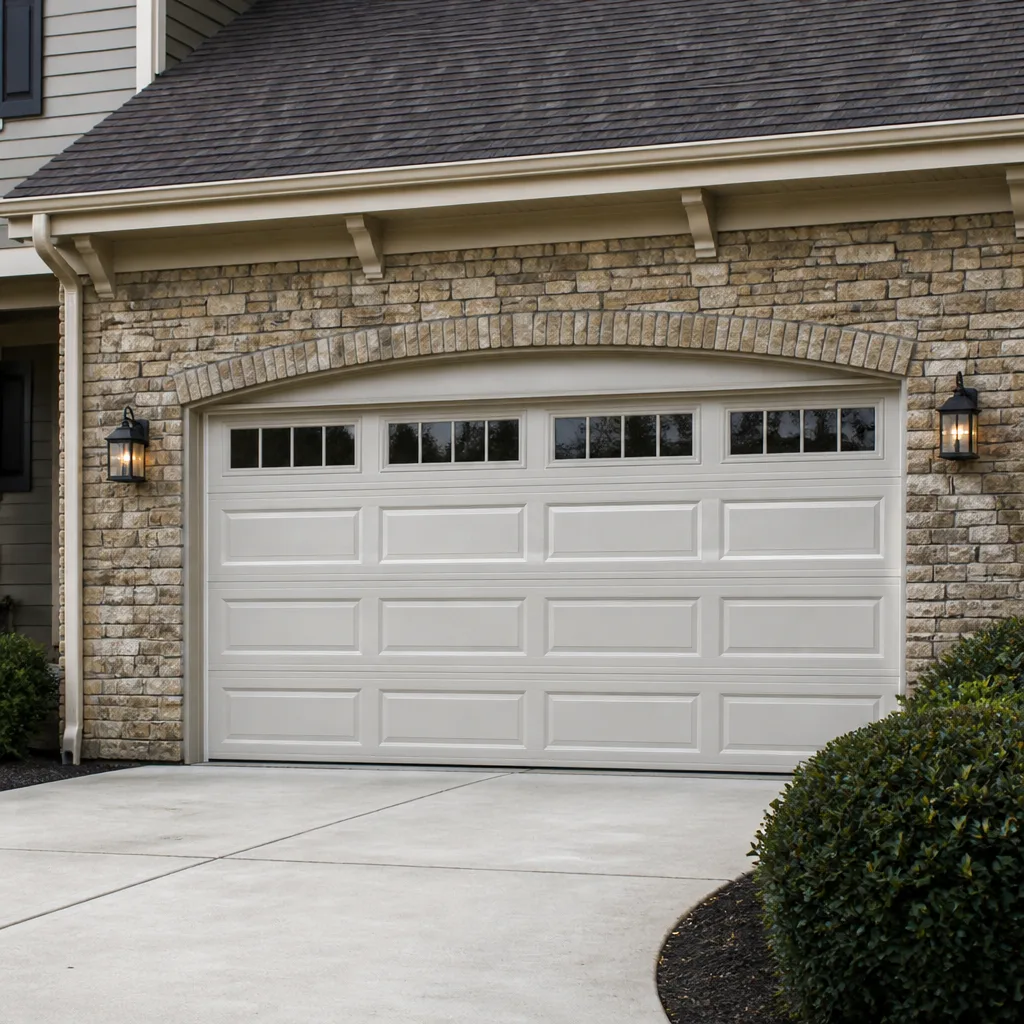 Raised-panel steel
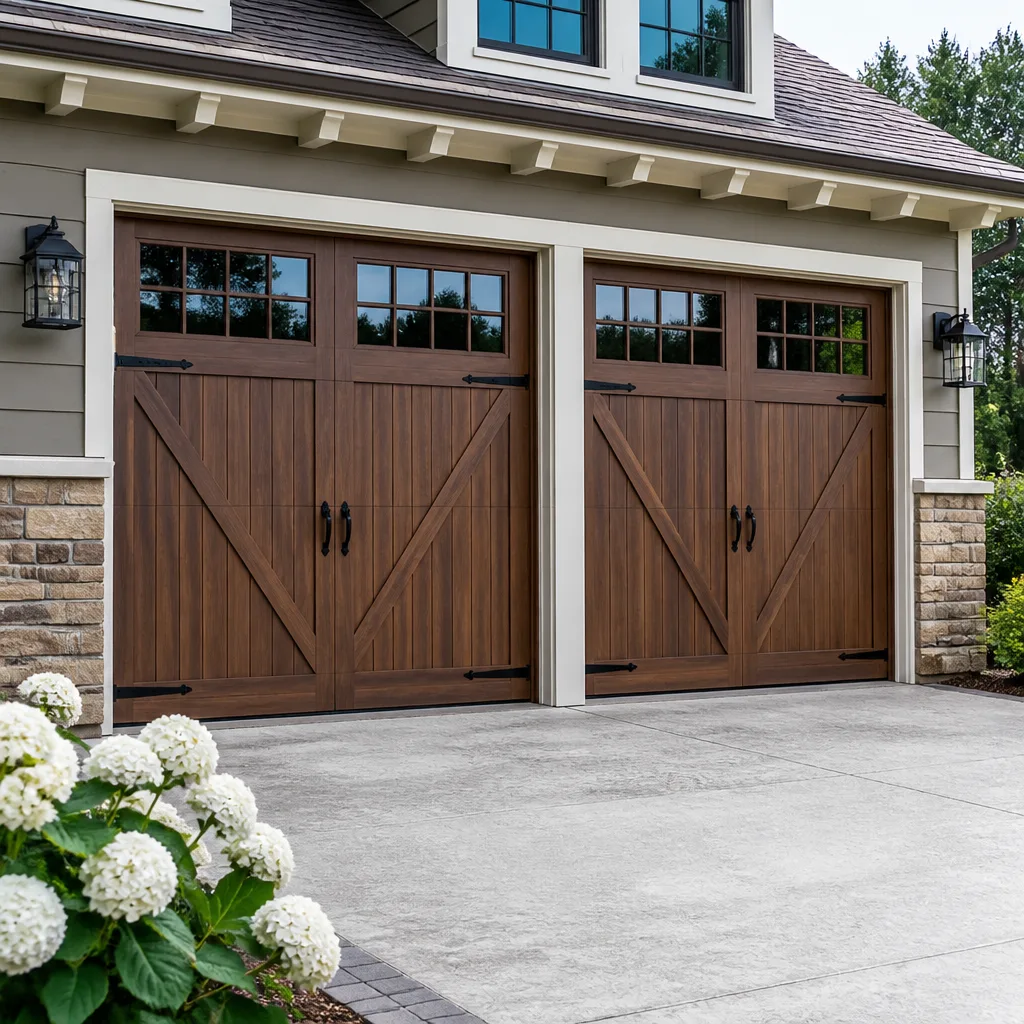 Carriage house
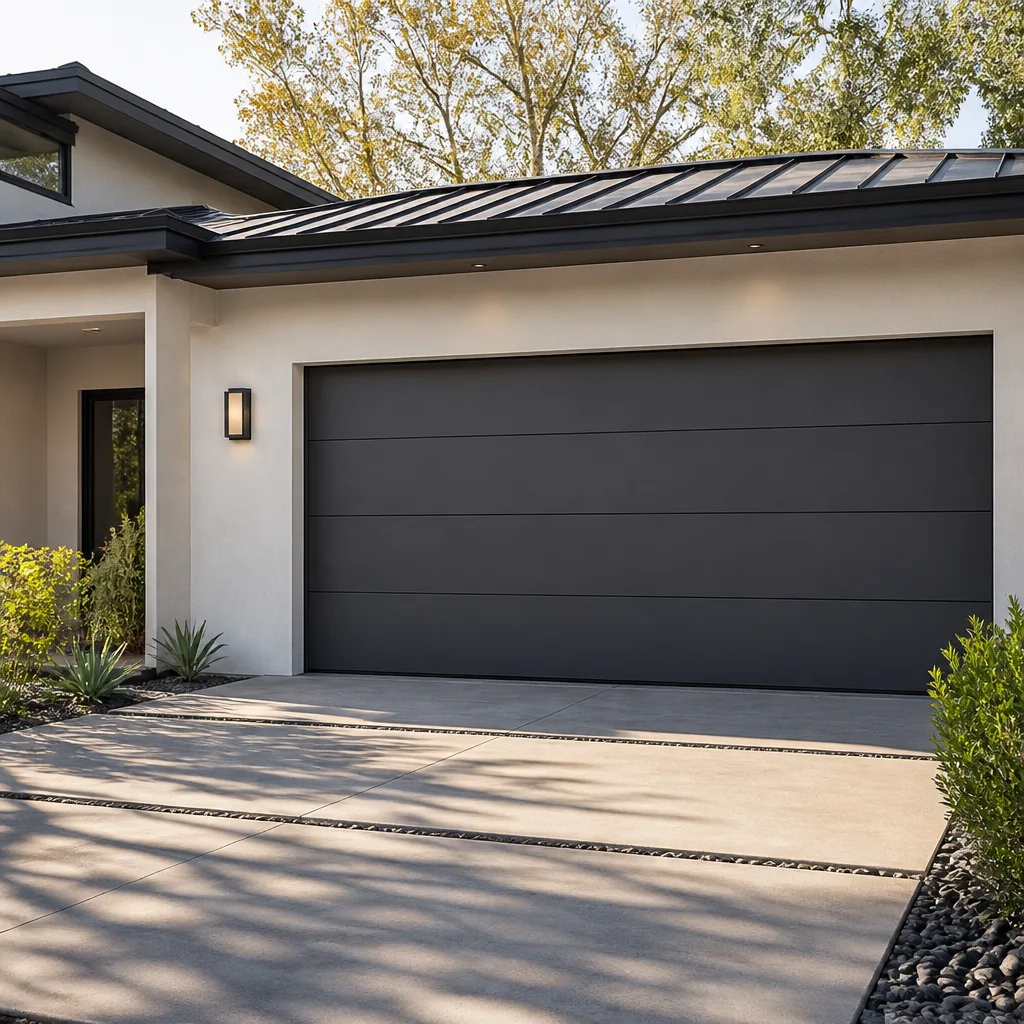 Modern flush
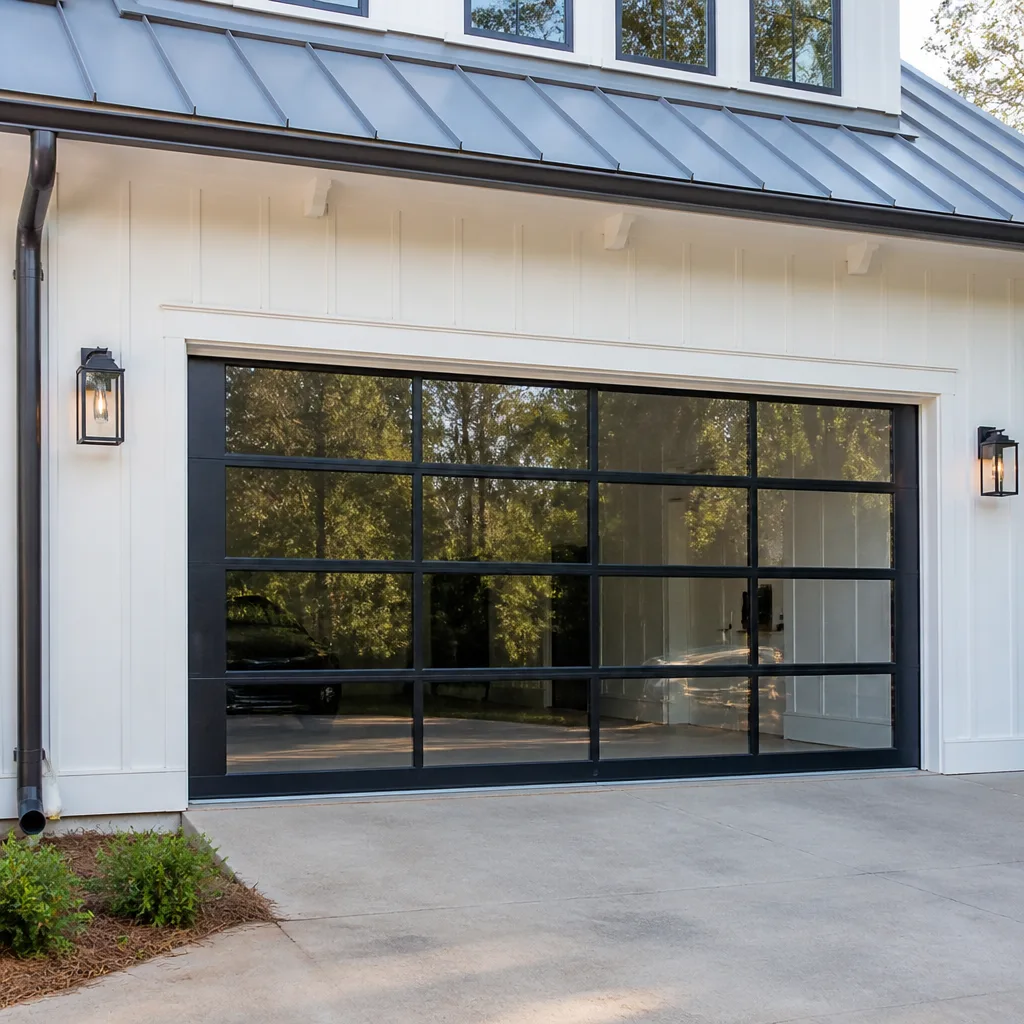 Full-view glass
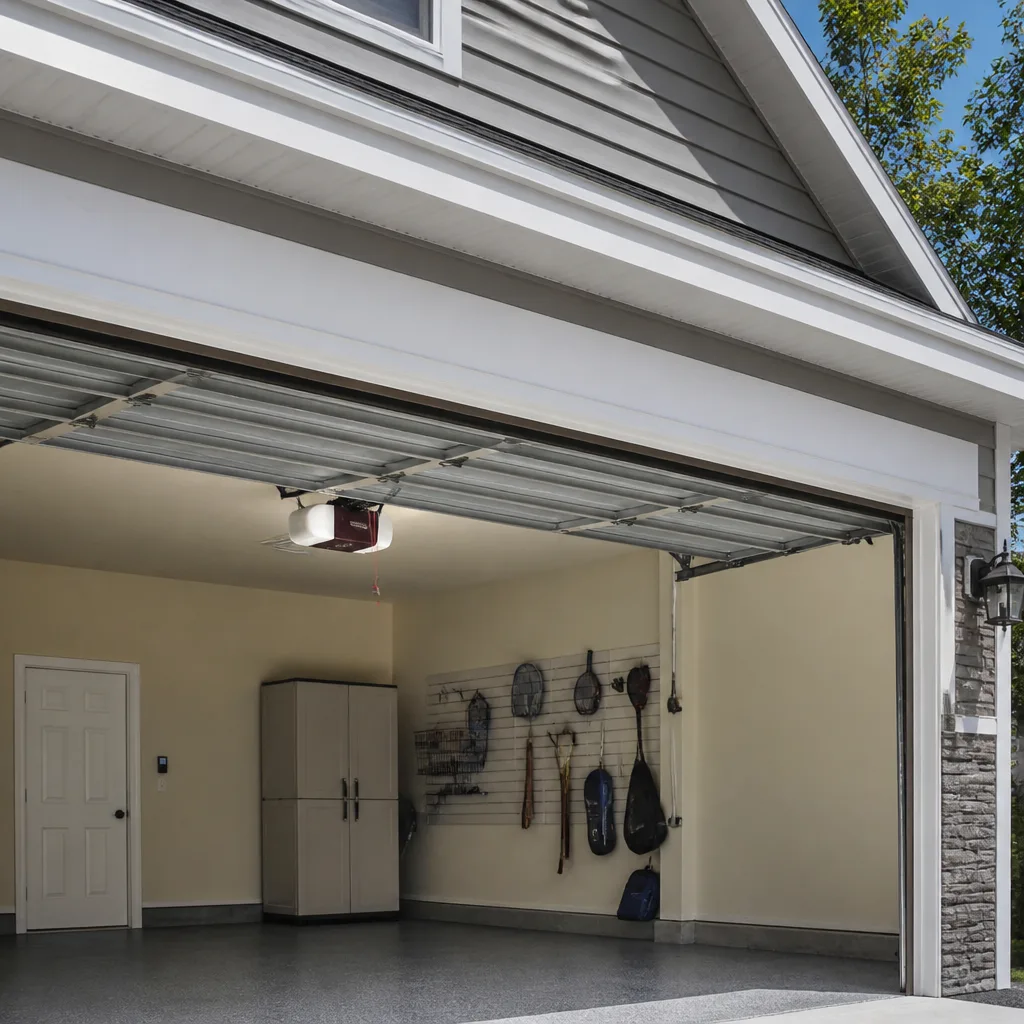 LiftMaster openers
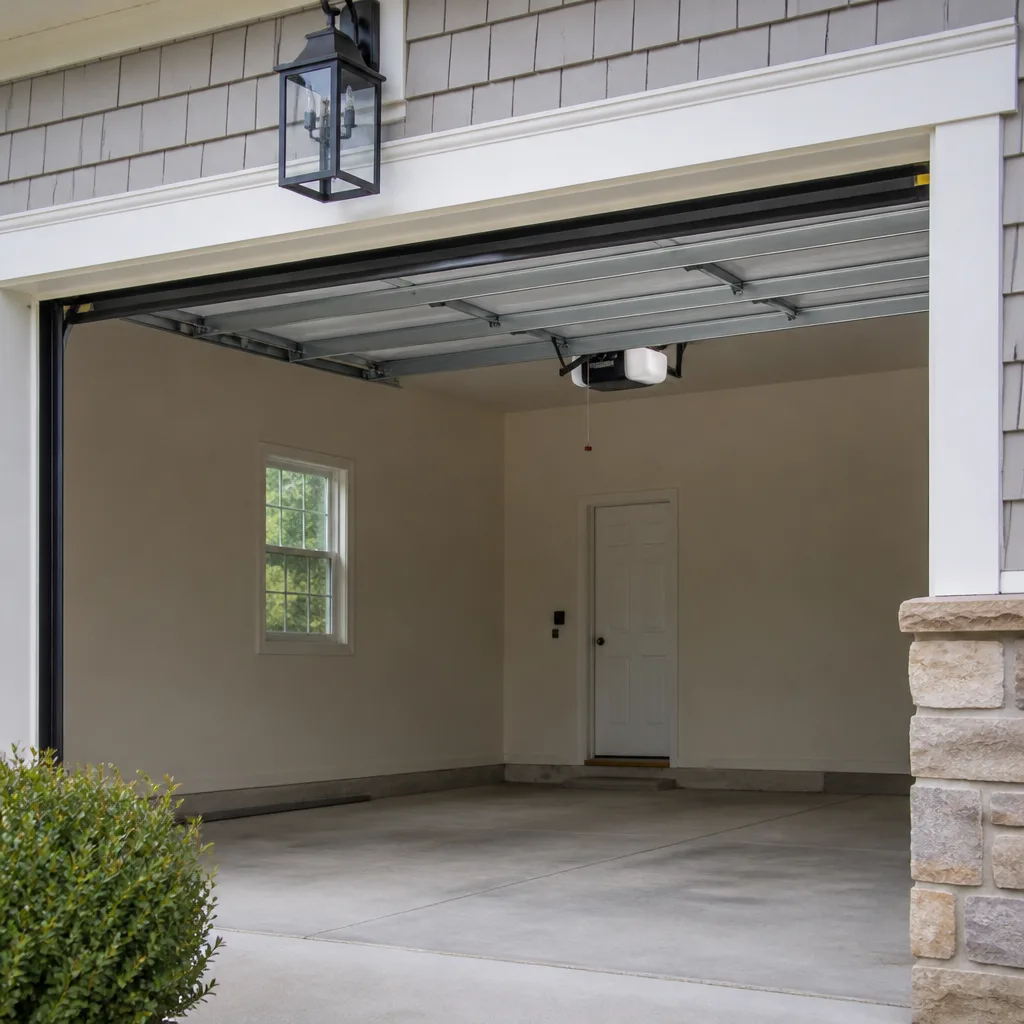 Chamberlain openers
Full 25-point door and opener safety check with every visit - springs, cables, rollers, tracks, and your LiftMaster or Chamberlain opener included
You get a price before we start. It does not change when the pro arrives.
Get your free estimateGarage Door Emergency Preparedness Guide for Brookland Homes
When a garage door fails, the first ten minutes matter more than the next ten hours. What you do while the door is still hanging, the car is still trapped, and the spring is still under tension decides whether you’re looking at a repair or a full replacement. Most homeowners don’t find that out until they’re standing in the driveway at 12:30am Googling on a phone. This guide covers the three failures that account for most garage door emergencies in Brookland, how to handle each one safely, what to say when you call for help so the right parts arrive on the first visit, and how to prepare now so you’re not improvising later. It’s written for homes in Brookland, where older detached garages and narrow alleys shape how these calls actually go.
Styles & brands we work with
- Raised-panel steel
- Carriage house
- Modern flush
- Full-view glass
- LiftMaster openers
- Chamberlain openers
Quick Answer
A garage door emergency usually means one of three things: a broken spring with your car trapped inside, a door that has come off its tracks, or an opener that won’t work because the power is out. In every case, stop operating the door, keep people clear of it, and don’t try to force anything. Call (888) 655-9410. We answer 24/7, and fast dispatch runs from 7am to 7pm, Sunday through Friday. The written estimate sets the price before any work begins, and estimates are free.
Table of Contents
- The Three Emergencies That Cover Almost Every Call
- Spring Failure With Your Car Trapped Inside
- Door Off-Track: What to Do and What Not to Touch
- Opener Failure and Power Outages
- The Manual Release Cord: How to Use It Without Making Things Worse
- What to Tell the Technician When You Call
- How to Secure a Failed Door Overnight
- Pre-Emergency Prep: What to Keep in Your Garage
- Common Mistakes to Avoid
- When to Call a Professional
- Frequently Asked Questions
- The Bottom Line
The Three Emergencies That Cover Almost Every Call
In our experience, garage door emergencies fall into a handful of predictable categories. Knowing which one you’re in changes everything about the next step, because the correct response to a snapped spring is the wrong response to a door that’s jumped its tracks.
The three most common situations:
- Spring failure with the car trapped. You hear a loud bang from the garage, and the door won’t lift. The door may be too heavy to raise by hand, or it may lift a few inches and stop. The car is inside.
- Door off-track. The door has left its vertical or horizontal tracks, often at an angle. It may be hanging, jammed, or partially open. This is the situation that causes the most secondary damage when homeowners try to force it.
- Opener failure or power outage. The door is mechanically fine but the opener won’t run, or the power is out and the door won’t move at all. This is the least dangerous of the three and the most solvable on your own.
Each of these has a safe first move and a set of things you should never do. We cover them one at a time below, because the details matter. A Brookland home with a detached garage at the back of a narrow lot also has one extra wrinkle: getting a vehicle out of the way so a technician can work is part of the job, and knowing that ahead of time saves a step.
Spring Failure With Your Car Trapped Inside
When a torsion spring snaps, the door loses the counterbalance that makes it liftable by hand. The springs are what hold the weight of the door, and without them a standard double door can weigh well over a hundred pounds. On a door with two springs, one can fail while the other still holds tension, which makes the door behave unpredictably. This is not a component to work around.
Here’s the sequence that keeps you and the door safe:
- Stop pulling on the door immediately. If it won’t lift with normal effort, don’t force it. Forcing a door with a broken spring can bend panels, twist the tracks, and put you in the path of a falling door.
- Keep the car where it is. If your car is inside, it stays inside until the door is repaired. Trying to drive out through a partially raised door risks hitting the door and causing panel damage that turns a spring repair into a door replacement.
- Clear the area. Keep children and pets out of the garage. Store nothing under the door or in its travel path.
- Don’t touch the springs or cables. More on this below, but it’s the most important line in this guide. High-tension springs and the cables under them can cause serious injury. Leave them to a trained professional.
- Call for help. Tell the dispatcher what happened, what you heard, and whether your car is trapped. That single detail lets us prioritize the call and load the right parts. Call (888) 655-9410. We answer 24/7.
If you need your car out and the door truly won’t move, an experienced technician can often work with you on the safest way to raise the door temporarily so the vehicle can be moved, without running the opener. That’s a conversation to have on the phone, not a decision to make alone in the driveway. Our garage door repair work covers springs on every major brand, including Amarr and Wayne Dalton doors, which show up on plenty of Brookland homes.
Door Off-Track: What to Do and What Not to Touch
A door that has come off its tracks is the one situation where doing nothing is almost always the right choice. The door is heavy, it’s supported only by the opener arm and whatever track it’s still resting in, and the whole assembly can come down without warning. The panels are also under stress, which means they can bend or crack with any sudden movement.
What to do:
- Stop the opener. Unplug it or flip the breaker if the door is still trying to move. A door off-track that the opener keeps pulling on will do more damage with every cycle.
- Keep everyone away. Don’t stand under the door. Don’t try to lift it back onto the track by hand. Don’t push it from the outside.
- Photograph it. Take a few pictures from a safe distance, showing where the door has left the track and how it’s hanging. Those photos help the technician quote the job accurately before arrival, which matters if the door needs new rollers or track sections.
- Call for a trained technician. Track work is not a homeowner job, and the risk of a door dropping is real. Tell the dispatcher the door is off-track and whether it’s open or closed, because the answer changes what equipment comes on the call.
Off-track doors happen in Brookland for the same reasons they happen everywhere: a roller breaks, a track gets bumped, or a door with a worn hinge jumps at a corner. What makes a difference is how quickly you stop the opener. A door caught early often needs only a roller replacement or a track adjustment. A door the opener has been grinding on for an hour usually needs more.
Opener Failure and Power Outages
An opener that won’t respond during a power outage is not an emergency in the mechanical sense. The door is fine. The problem is that you can’t raise it, and if your car is inside, that’s still a problem worth solving tonight.
Start here, in order:
- Check the obvious. Is the opener getting power? Look at the lights in the garage. If the whole house is dark, it’s an outage. If the garage has power but the opener doesn’t respond, check the wall switch and the breaker.
- Check the safety sensors. The two small sensors at the bottom of the door tracks tell the opener to reverse if something is in the way. If they’re misaligned, covered in dust, or one is blinking, the opener may refuse to close the door even when everything else works. A quick wipe of both lenses and a check that they’re pointing at each other solves a surprising number of “dead opener” calls.
- Use the manual release, but read the next section first. Every opener has a release cord (or a release handle) that disconnects the door from the rail so you can raise it by hand. It works, but only if the door’s springs are healthy. More on that below.
- Check the remote and the wall switch. If one works and the other doesn’t, the problem is the remote or its battery, not the opener.
When an opener itself has failed, we repair or replace the unit. Our garage door opener repair service handles LiftMaster, Chamberlain, Genie, and Craftsman openers, and the same call can cover a failed opener and any worn hardware we find while we’re there, so you’re not booking a second visit for a roller that was already on its way out.
The Manual Release Cord: How to Use It Without Making Things Worse
The manual release cord hangs from the opener trolley, usually with a red handle. Pulling it disconnects the door from the opener so you can lift the door by hand. It’s a useful feature and it’s the wrong move in a specific set of situations.
When the release is safe to use:
- The door is fully closed and sits level.
- The springs are intact and the door lifts with moderate hand pressure.
- The power is out and the opener is simply unable to run.
When you should not pull the release:
- The door is open or partly open. Disconnecting an open door removes the only thing holding it up. It can drop fast.
- A spring is broken. Without spring tension, a door that was heavy becomes dangerously heavy. You may not be able to control it on the way down, and that’s how people get hurt.
- The door is off-track. The release gives you nothing here and can make the door drop.
If you do need to use the release, raise and lower the door slowly by hand, keeping your body clear of the door’s path and keeping your fingers away from the hinge points. Once you’ve moved the door, leave it in the closed position and don’t re-engage the opener until the power is back or a technician has looked at it.
What to Tell the Technician When You Call
The single biggest factor in whether your repair happens on the first visit is what you say on the phone. A technician who knows the door’s brand, the failure type, and the door’s size can load the right parts before leaving instead of making a second trip for a spring that wasn’t in the truck.
Have these answers ready:
- The door’s brand, if you can see it. The manufacturer’s label is usually on the inside of the door or on one of the end stiles. Amarr, Wayne Dalton, Craftsman, and Raynor doors are common in the Brookland area, and knowing the brand helps us pull the right spring, drum, or hinge.
- What the failure sounds like and how the door behaves. “Loud bang and the door won’t lift” points to a spring. “Grinding and the door is crooked” points to a track or roller. “Dead opener, no lights” points to electrical or the opener itself.
- Whether the door is one or two springs. If you can safely see the spring bar above the door, count them. One spring and a matched pair are different jobs and different parts.
- Door size and material. A single-car steel door and a double-car wood door need different springs and different counterbalance setups.
- Whether your car is trapped. This changes the priority and can change the plan for the visit.
- Your address and how to reach the garage. Brookland garages often sit behind the house on an alley. Tell us where to park and how to get to the door, especially if the alley is narrow or blocked.
You don’t need to diagnose the door yourself. You just need to describe it. The garage door repair Brookland team diagnoses the actual problem rather than steering you toward a product line, and we work on all eight major brands: LiftMaster, Chamberlain, Genie, Clopay, Amarr, Wayne Dalton, Craftsman, and Raynor.
How to Secure a Failed Door Overnight
A garage door that won’t close leaves the house open, and the priority becomes a simple one: close the opening without damaging the door any further. Fighting a broken door into place is what turns a repair into a replacement. The goal is a temporary fix, not a solution.
What works, roughly in order of preference:
- Lower the door by hand if the springs are intact and the door is on its tracks. With the release pulled, guide the door down slowly and evenly until it’s fully closed. Don’t let it drop. Once it’s down, leave it there until the technician arrives.
- If the door is off-track and won’t close, leave it alone. Don’t push, don’t pry, don’t shove. A misaligned door forced into place can crack panels, twist tracks, and drop. Use the alternatives below.
- Close off the opening with something removable. A sheet of plywood or a heavy tarp secured across the opening will buy you a night. The point is to keep the weather and animals out and make the opening less obvious.
- Move anything valuable out of the garage if the opening can’t be secured. Tools and bikes go into the house or into the trunk of a locked car.
- Tell the dispatcher what you’ve done. If you’ve braced the door with a board or tarped the opening, say so. It helps the technician plan the visit and know what they’re walking into.
What not to do: don’t screw a door into place, don’t run a cable or strap through a hinge, and don’t brace a broken door with anything that a person could trip over or that would come loose in the wind. A temporary fix should be reversible, so the technician can undo it without damaging your garage.
Pre-Emergency Prep: What to Keep in Your Garage
Ten minutes of prep saves hours of improvising. The items below are the ones we’d put in any Brookland garage. They cost a fraction of a single emergency call and they make a midnight failure much easier to manage.
- A printed card with your door’s brand, model, and spring count. Tape it inside the garage door or on the wall next to the opener. You don’t want to be reading a faded label with a flashlight.
- A flashlight and a set of spare batteries, stored where you can reach them without opening the garage door from the outside.
- A manual release pull-ring or a short length of sturdy cord attached to the release handle, if your opener doesn’t have one. Pulling a short cord with a gloved hand is easier than reaching for a bare metal hook.
- A pair of work gloves. A failed door means sharp edges and metal hardware.
- A phone number for a garage door specialist, written down, not just saved in a phone that might be in the house.
- A tarp and a couple of clamps or bungees for temporarily covering an opening.
We recommend one more prep step: know how to reach the garage. In Brookland, that often means knowing where the alley entrance is, whether the gate opens all the way, and where you’d have someone park a vehicle to unload parts. Ninety seconds of thinking about it now saves a confusing phone call later.
Common Mistakes to Avoid
- Trying to force a door with a broken spring. The door’s full weight is on the opener arm and whatever springs remain, and forcing it can damage the panels and the tracks. Call a technician instead. Our spring repair work exists for exactly this call.
- Pulling the manual release on an open door. The release disconnects the door from the thing holding it. On an open door, that’s a falling door. Leave the release alone unless the door is fully closed and the springs are intact.
- Keeping the opener running on a door that’s off-track. Every cycle does more damage. Stop the opener, then call.
- Assuming a “dead” opener means a dead opener. A misaligned safety sensor looks exactly like a failed unit. Check the sensors before you assume the worst.
- Driving out through a partially open door. A door that’s hanging a foot above the car’s roof is not clear, and a clip on the roof rack can be enough to pull the door down onto the car.
- Calling a general handyman for a spring or track repair. Springs are under high tension and track work involves real weight. A generalist may be able to tighten a hinge, but a spring or off-track call needs a garage door specialist. Garage doors are all we do.
- Waiting until Saturday afternoon to deal with a failure. We’re closed Saturdays, so a Saturday failure is a Sunday booking. Call (888) 655-9410. We answer 24/7, and fast dispatch runs from 7am to 7pm, Sunday through Friday.
When to Call a Professional
Call a professional for any failure that involves the springs, the cables, the tracks, or a door that’s stuck partway open. Those four components are all under load or under tension, and they’re the ones where a homeowner repair can go wrong in a hurry. Call for an opener that won’t respond after the sensors and the breaker have been checked, and call for a door that’s visibly uneven, sagging, or resting on one side.
You can handle the small stuff yourself: a remote with a dead battery, a safety sensor that needs realignment, a squeaky hinge that wants a little lubrication. Anything past that is a call to a specialist who will diagnose the actual problem, come with the right parts, and explain what’s wrong in plain language before doing any work.
Garage Door Repair Brookland offers free estimates in Brookland. Call (888) 655-9410. We answer 24/7, and fast dispatch runs from 7am to 7pm, Sunday through Friday. The price is quoted and agreed before any work starts, and the written estimate sets the final price.
Frequently Asked Questions
Most emergency garage door repairs fall into a typical range of $180 to $340 for a single spring or a comparable mechanical repair, with a full door replacement running substantially more. The written estimate you receive sets the final price, and you’ll know it before any work starts. Call (888) 655-9410 for a free estimate.
Yes, same-day service is available for most emergency repairs. We answer 24/7 and dispatch technicians from 7am to 7pm, Sunday through Friday, so a call placed during those hours usually gets a technician out the same day. Call (888) 655-9410 to check the current schedule.
No. The price is quoted and agreed before any work starts. If the technician finds something that changes the scope of the job, you’ll get a revised estimate and your approval before any additional work begins. Call (888) 655-9410 for a free estimate.
Usually not safely. Without a working spring, the door’s full weight is on the opener arm and the tracks, and the door can drop without warning. Don’t pull the manual release or try to lift the door by hand. Call a trained technician instead.
Look at the horizontal bar above the door, inside the garage. A single torsion spring is one long coil on the bar. A matched pair is two shorter coils, one on each side. Count them before you call, because it changes the parts the technician brings. Call (888) 655-9410 to talk through it.
Tell the dispatcher the car is trapped when you call, and you’ll be prioritized accordingly. If the door can be raised safely, an experienced technician can usually get the car out during the same visit. Call (888) 655-9410 as soon as the door fails.
The Bottom Line
Garage door emergencies come down to knowing what to do in the first few minutes and what not to do. Stop the opener, keep people clear of the door, don’t touch the springs or pull the release on an open door, and call a specialist who knows the brand and can bring the right parts on the first visit. The prep work is small: a flashlight, gloves, a tarp, a written-down phone number, and a note with the door’s brand and spring count. Make that card today. If you’re in Brookland and the door is currently down, call (888) 655-9410. We answer 24/7, fast dispatch runs from 7am to 7pm, Sunday through Friday, and estimates are free.
For new doors and replacements, our garage door installation service handles the full scope: measuring, ordering the right door, and setting it up so it’s balanced from the first cycle. Replacements and new installations are scheduled work, so we start with a free measure and a written price rather than a same-day promise.
Written by the team at Garage Door Repair Brookland.
See the difference
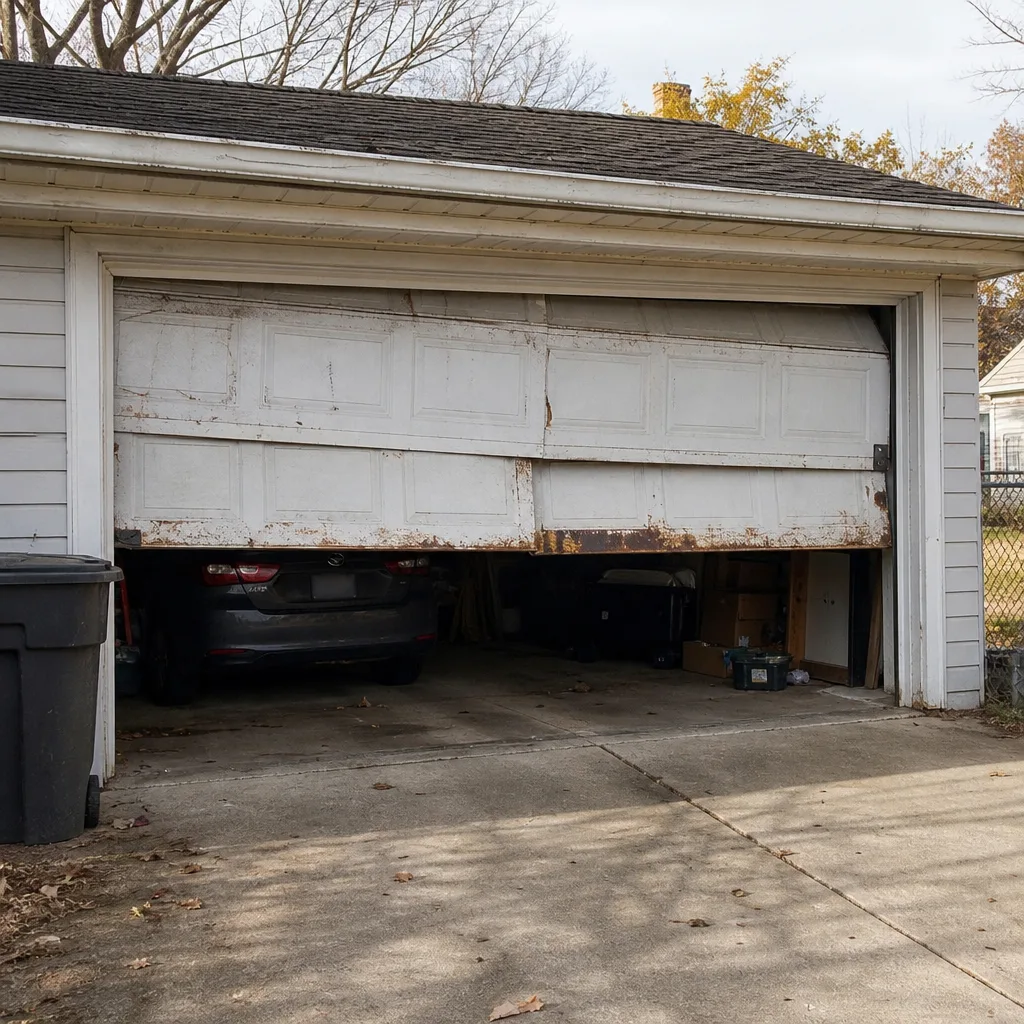 Before
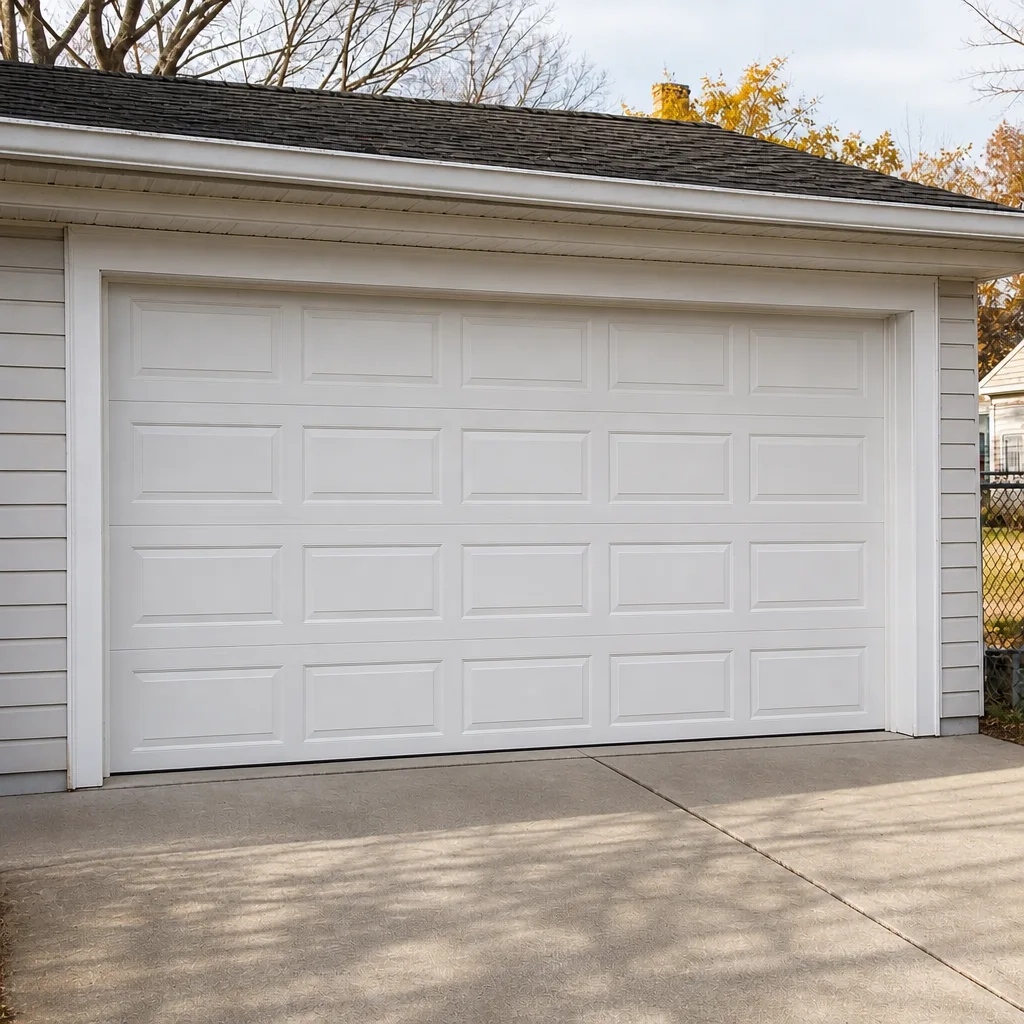 After
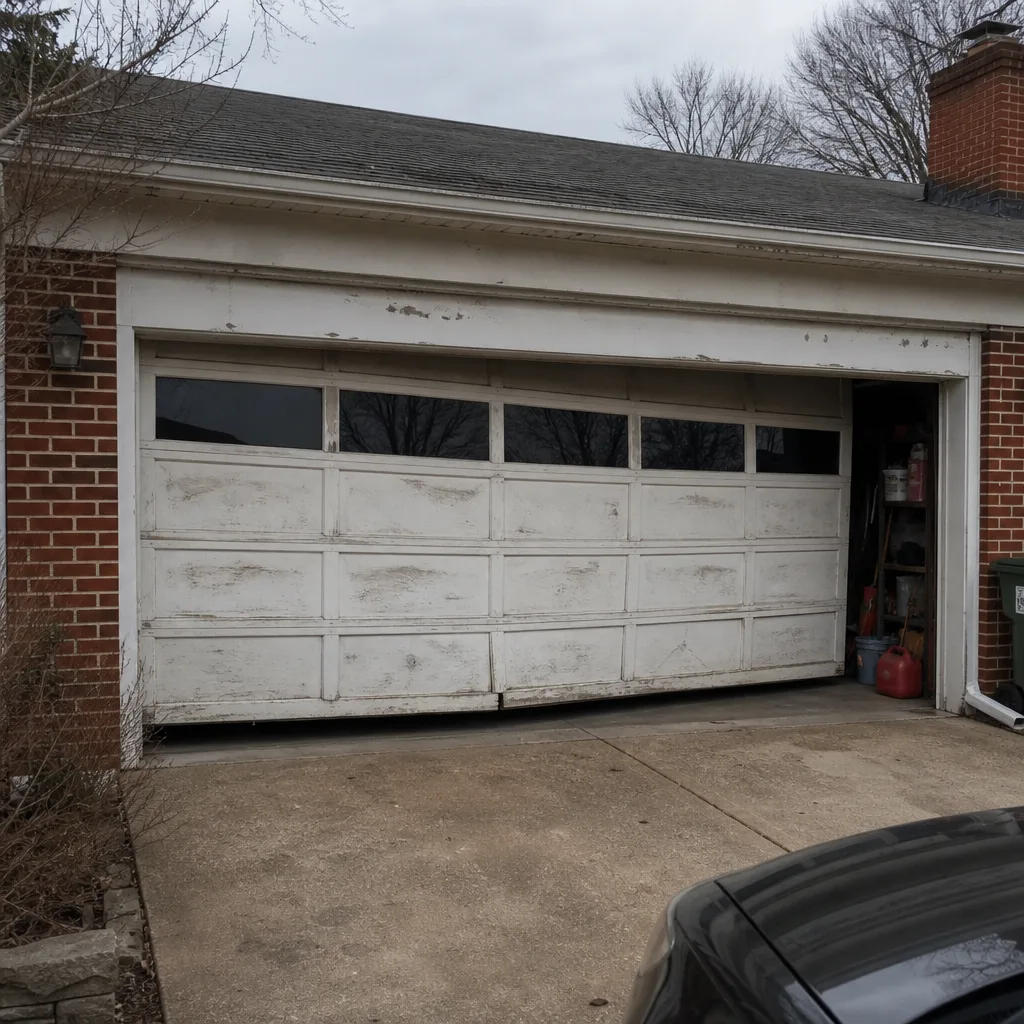 Before
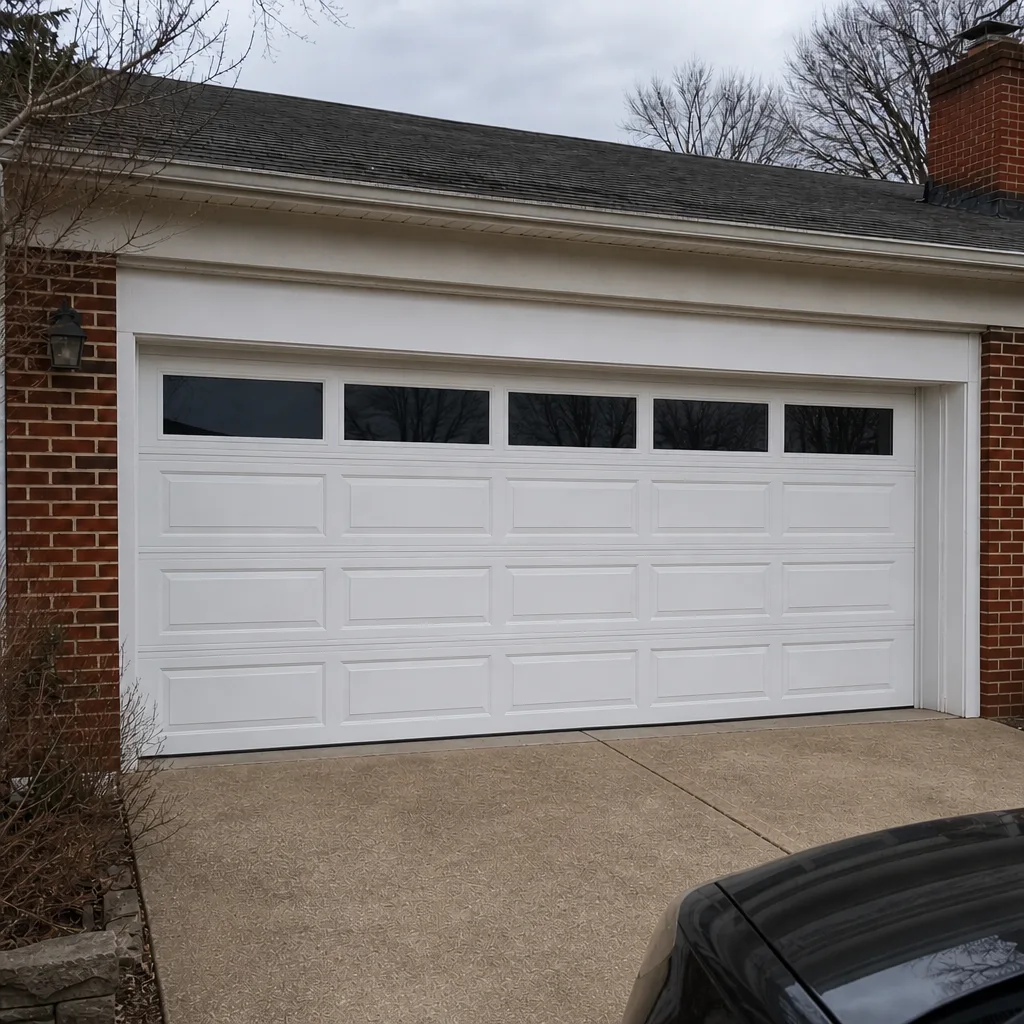 After
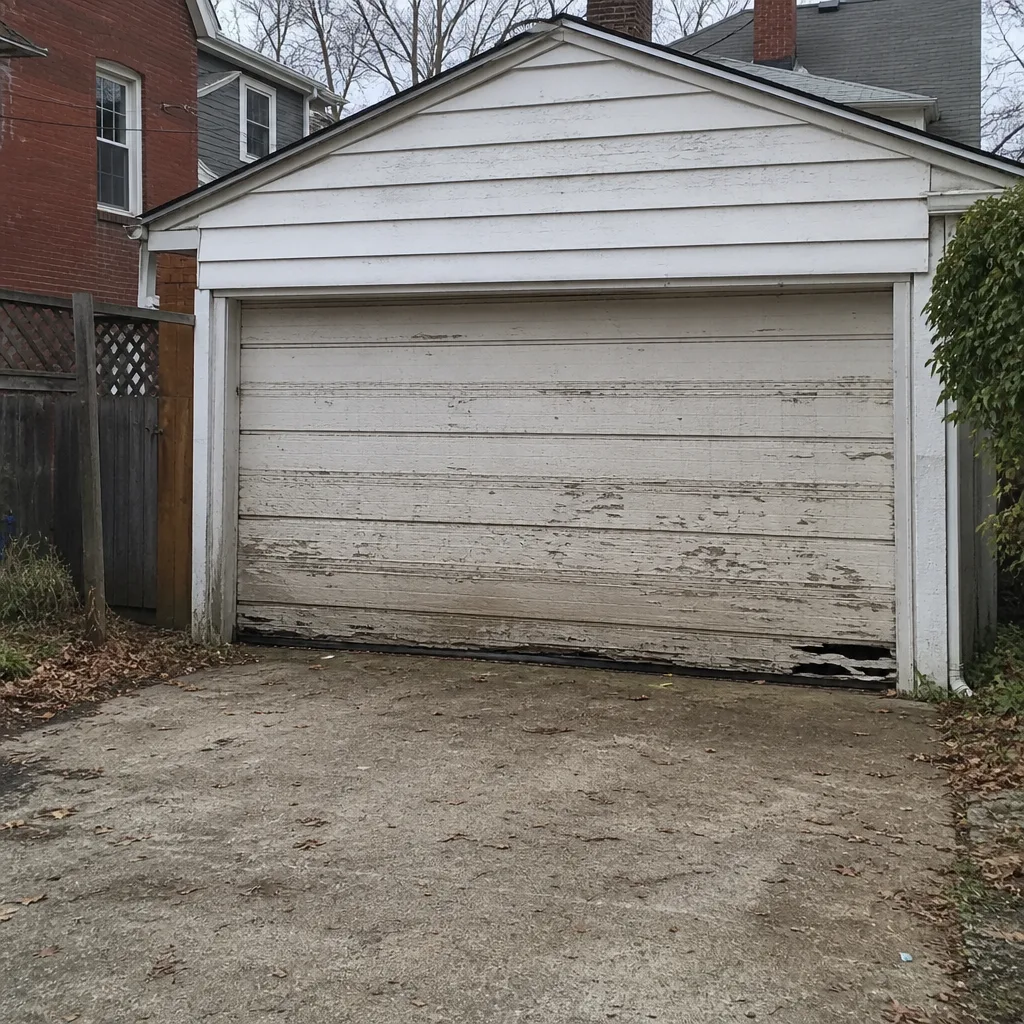 Before
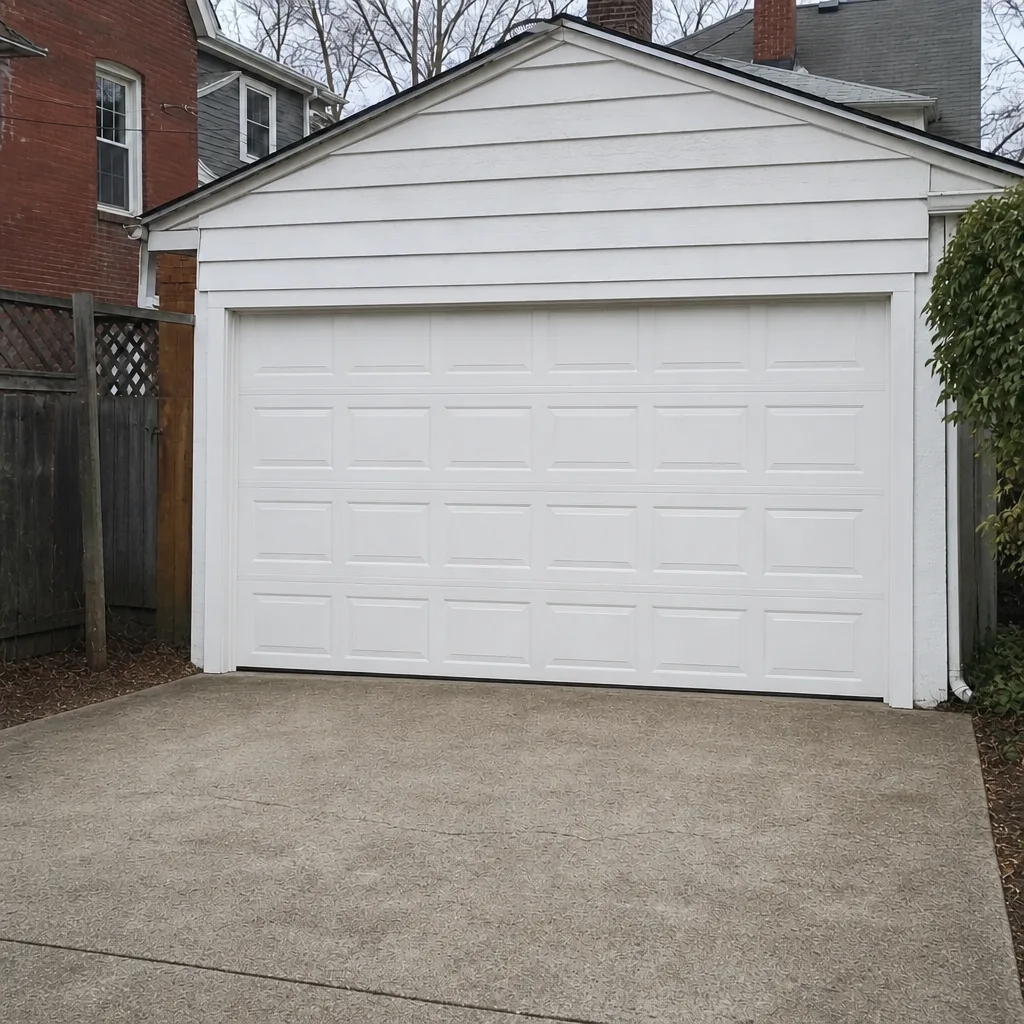 After