
Last updated November 21, 2026
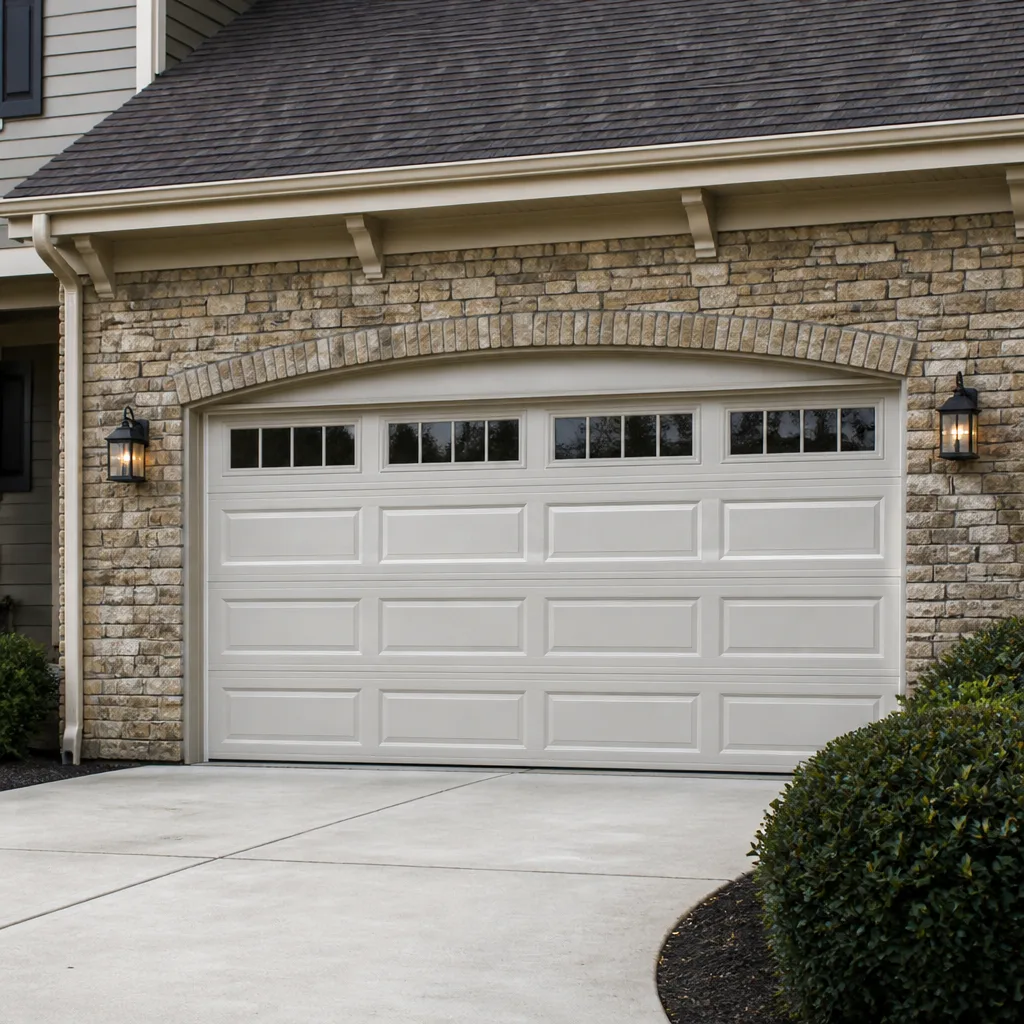 Raised-panel steel
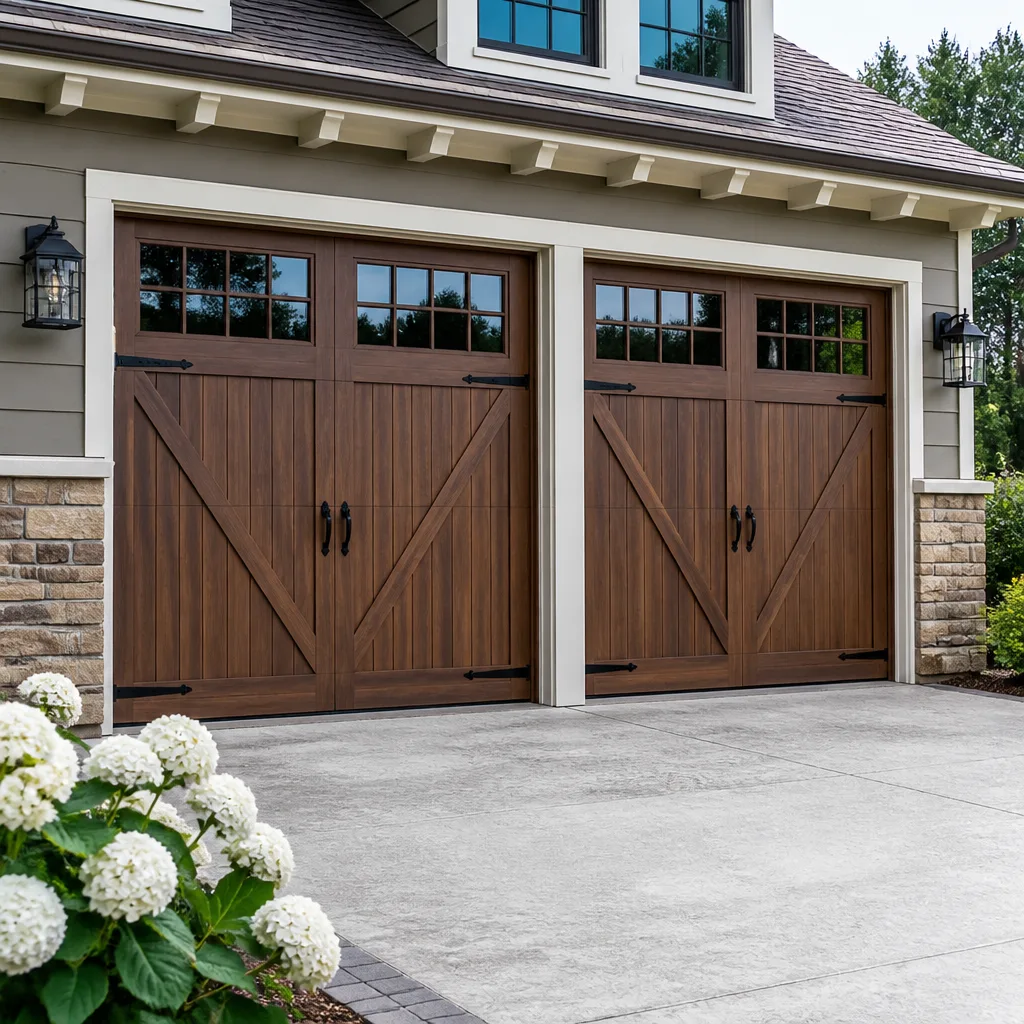 Carriage house
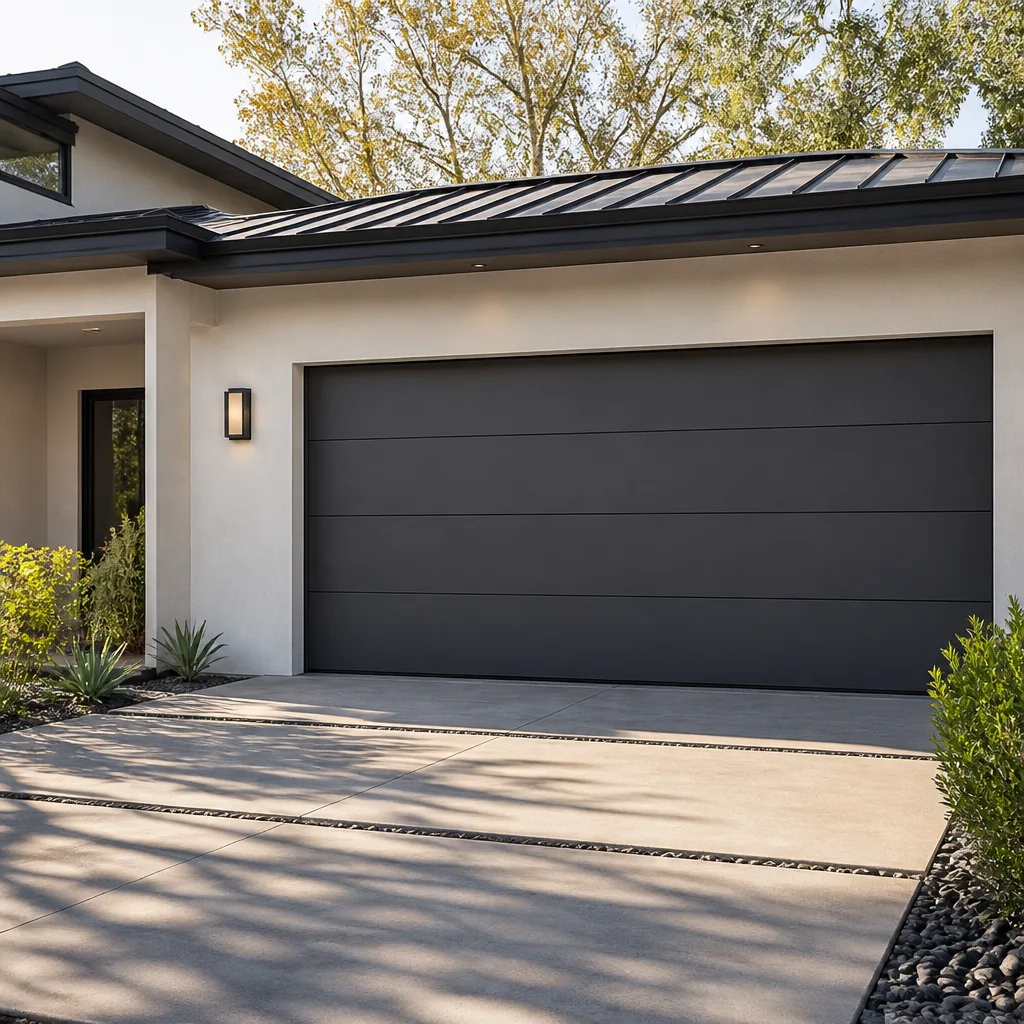 Modern flush
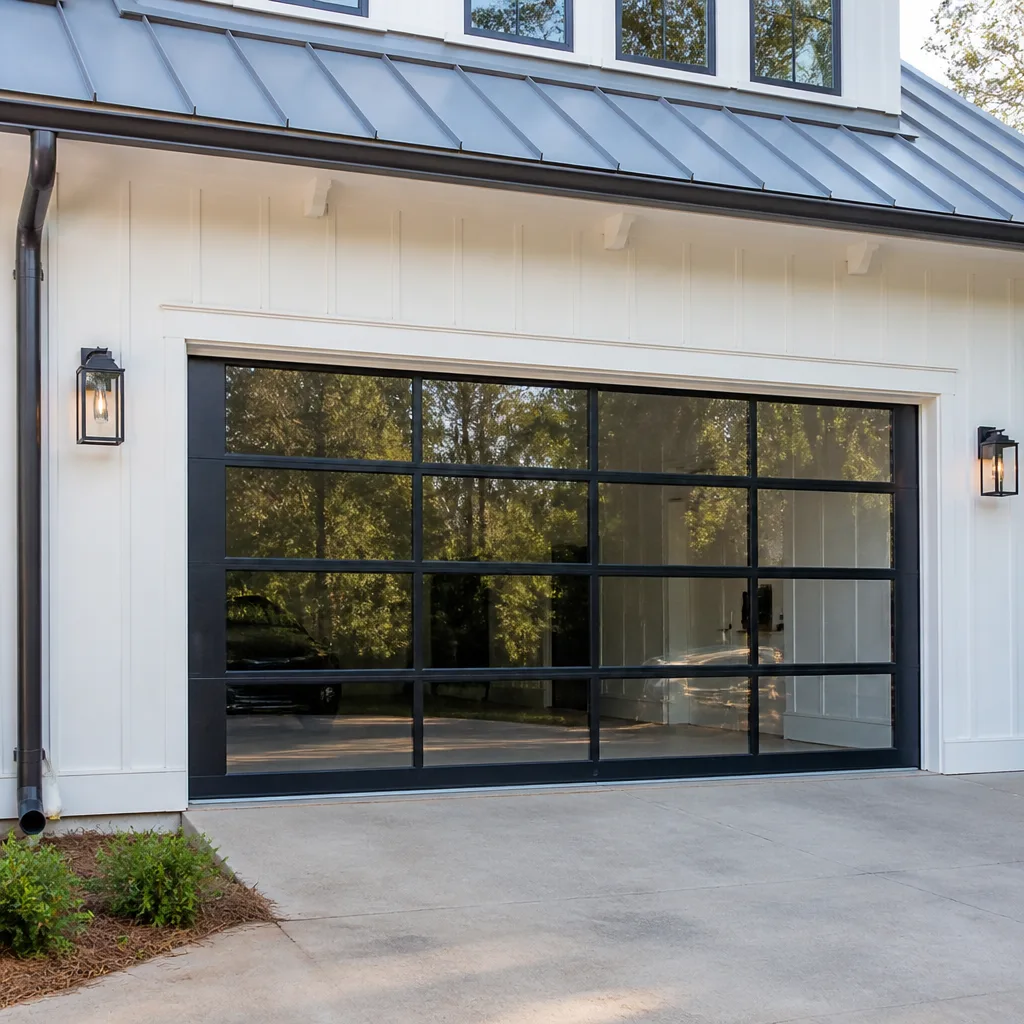 Full-view glass
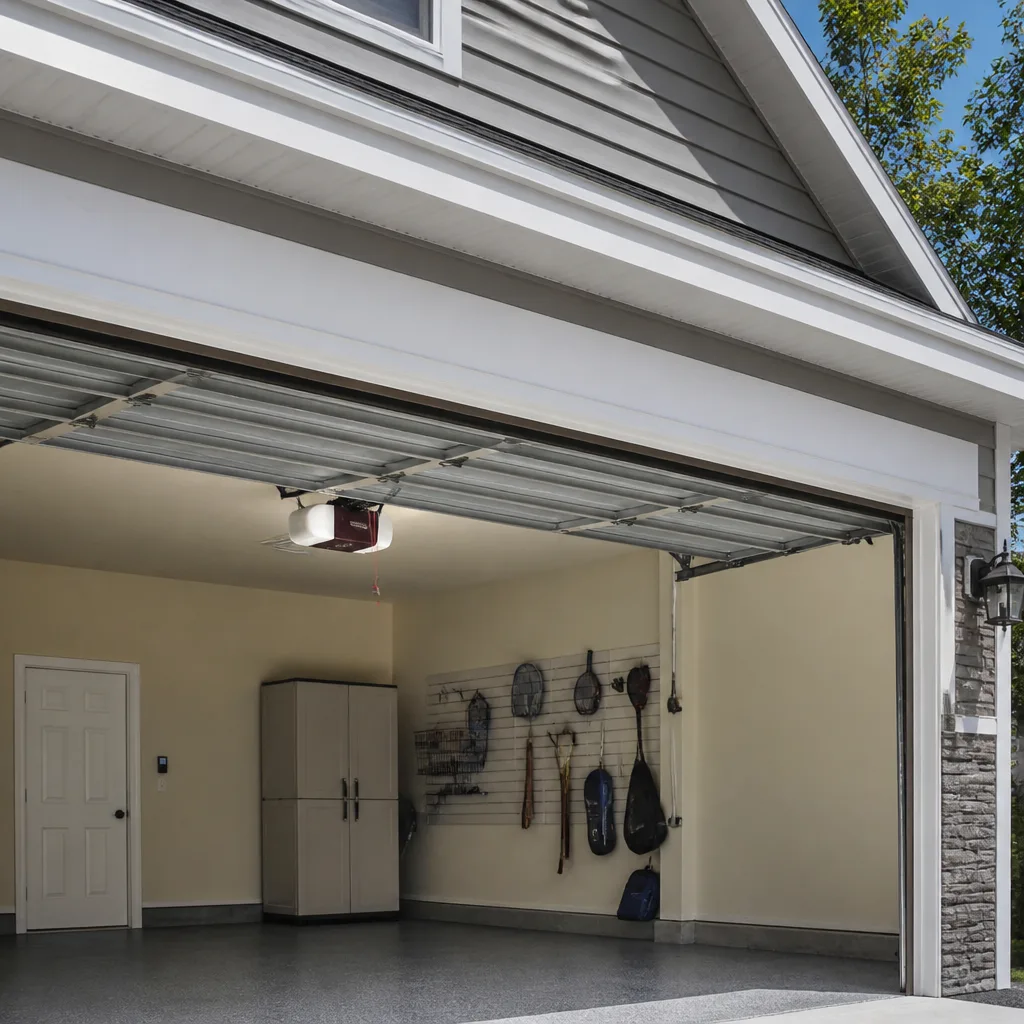 LiftMaster openers
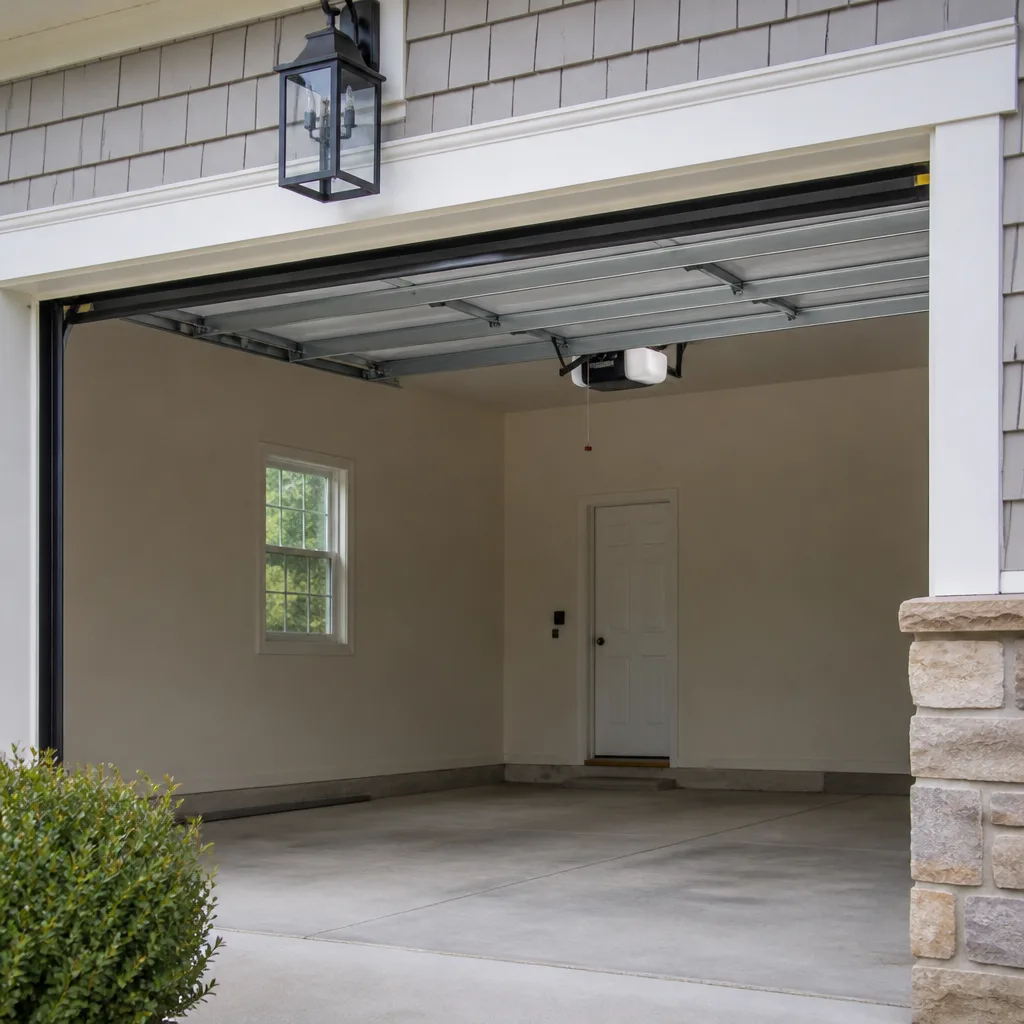 Chamberlain openers
Full 25-point door and opener safety check with every visit - springs, cables, rollers, tracks, and your LiftMaster or Chamberlain opener included
You get a price before we start. It does not change when the pro arrives.
Get your free estimateHow to Hire a Garage Door Contractor in Brookland: A Step-by-Step Guide
Three contractors all call themselves “garage door specialists.” One is a licensed pro who works on your brand. One is a handyman who does garage doors on the side. One is a subcontractor for a retailer who’s never seen your model. The quotes can look almost identical on paper. That’s the problem. The words “garage door specialist” cost nothing to print, so they separate nobody. What separates them is the questions you ask before anyone pulls into your driveway, and how they answer them. This guide gives you those questions, shows you how to read a quote line-by-line, and explains what to verify in Brookland specifically – from DC licensing to alley access – so the contractor you hire is the one who actually does the work.
Quick Answer
To hire a garage door contractor in Brookland, verify three things before you book: that the company does garage doors as its main trade (not as a side job), that it’s licensed and insured as DC requires, and that it works on your specific brand and model. Then get a written, itemized estimate with the price agreed before any work starts. Ask the five screening questions below, confirm DC licensing and permit needs, and read the quote for line items you didn’t request.
Styles & brands we work with
- Raised-panel steel
- Carriage house
- Modern flush
- Full-view glass
- LiftMaster openers
- Chamberlain openers
Table of Contents
- The Five Questions to Ask Before a Technician Comes to Your Home
- Why DC Licensing for Garage Door Work Is Narrower Than You Think
- How to Read a Quote Line-by-Line
- Manufacturer-Authorized vs. “We Work on That Brand”
- Red Flags Specific to Brookland’s Market
- Specialist or Generalist? How to Tell Them Apart
- What a Good Hire Looks Like: Before, During, and After
The Five Questions to Ask Before a Technician Comes to Your Home
These five questions take two minutes on the phone and tell you more than any website. Ask them in order. The answers matter less than whether the person answering sounds like they do this every day.
- “What brands do you work on?” A specialist names them without pausing. If the answer is “all of them,” follow up with your specific model. A pro who works on LiftMaster and Wayne Dalton systems knows the difference in how their openers are built and how their springs are rated.
- “Do you do garage doors as your main trade?” Listen for “we also do decks” or “we’re a general handyman.” A garage door is a heavy, spring-loaded, precision-balanced machine. It deserves a specialist, not someone squeezing it between fence repairs.
- “Are you licensed and insured as DC requires?” The answer should be a clear yes, with an offer to show documentation. Vagueness here is your cue to move on.
- “How do you price the job?” The right answer: a written estimate before any work starts, based on what’s actually wrong. The wrong answer: a flat phone quote with no inspection, or a “we’ll figure it out when we get there.”
- “What happens if you find something else once you’re here?” A good pro explains what they’d check and how they’d tell you before touching anything. A bad one treats the visit as a sales appointment.
What a vague answer signals is simple: the person hasn’t thought about it, or doesn’t want you to think about it either. Neither is who you want working on a torsion spring.
Why DC Licensing for Garage Door Work Is Narrower Than You Think
Here’s a fact that surprises homeowners: DC’s contractor licensing doesn’t have a standalone “garage door” category. Garage door work falls under general contractor and home improvement licensing, which means a company can be licensed for home improvement generally without ever having touched a garage door professionally. The license proves they’re allowed to contract. It doesn’t prove they know a torsion spring from an extension spring.
So verify licensing, but don’t stop there. What you want to confirm:
- An active DC contractor license in the appropriate home improvement category. Ask for the number and check it against the DC Department of Licensing and Consumer Protection. If a company can’t point you to their license, that’s the end of the conversation.
- General liability insurance and workers’ compensation. If someone gets hurt on your property and the company isn’t covered, the problem becomes yours. Ask for a certificate of insurance; legitimate companies send one without drama.
- Whether a permit applies to your job. Permit thresholds for garage door work in DC depend on the scope – a simple spring or opener replacement usually doesn’t require one, but structural changes, new door openings, or electrical work on the opener circuit may. Call the DC building department directly rather than trusting a contractor’s take. A pro who tells you “you’ll want to check with the city on that” is being honest, not evasive.
For any actual repair work, a company that specializes in garage door repair will know the DC permit landscape well enough to steer you correctly. That’s a different level of familiarity than a general contractor who happens to have done a few doors.
How to Read a Quote Line-by-Line
This is where most homeowners get caught. Not by a bad repair, but by a quote that looks fair until you read what’s on it. A good estimate tells you exactly what’s included and exactly what isn’t. Read it with a pen in hand and ask about anything that doesn’t match what you discussed.
Start with the parts list. A quote for a spring replacement should specify whether it’s one spring or a matched pair. Torsion springs are usually replaced as a pair because they wear at the same rate, and a quote that lists one spring at a suspiciously low price while planning to charge you for the second is a red flag. Ask directly: “Is this the price for one spring or both?”
Then check for these upsell patterns:
- The “premium spring” upgrade that pads the price without a clear reason. A pro will explain a spring’s cycle rating and let you choose. They won’t pressure you.
- Unrequested opener replacement when you called about a broken door. The door and the opener are separate systems. A technician who diagnoses the door as the problem but pushes a new opener anyway is selling, not fixing.
- “Full service” packages that bundle a tune-up, lubrication, and inspection into a single line item. A straightforward shop itemizes each one.
- Ballpark quotes with no breakdown. If the number is one line with no detail, ask for a written itemization. The written quote is the price – if it’s not written down, it’s not real.
Finally, ask whether the price is final or an estimate subject to change once work starts. The answer should be: the written quote is the price, and any change requires your OK before it happens. If the answer is anything other than that, get a second quote.
Manufacturer-Authorized vs. “We Work on That Brand”
Claiming brand experience is easy. Every contractor website in Brookland does it. Actual manufacturer-authorized service providers are a smaller group, and the distinction matters when your opener or door has a specific quirk that only comes from real-world familiarity with that system.
Here’s what “we work on that brand” should mean in practice:
- They know the model’s quirks. A LiftMaster opener and a Craftsman opener have different diagnostic approaches, different error-code patterns, and different parts sources. A technician who works across both daily will say so with specifics.
- They carry or can source correct parts. A Wayne Dalton door takes specific carrier brackets. A Raynor door takes specific spring configurations. A proper pro knows this before arriving, not after.
- They can tell you the difference between a repair and a replacement for your model. Sometimes a 10-minute fix beats a full replacement. Sometimes it doesn’t. A specialist gives you a straight answer.
The practical test: when you name your brand and model, listen for whether the technician asks a follow-up question or just says “yes, we do that.” The follow-up question means they’re actually thinking about your system. That’s the difference between a technician and a salesperson. If you’re dealing with a dead opener specifically, our guide to garage door opener repair explains what a proper diagnosis involves.
Red Flags Specific to Brookland’s Market
Brookland has its own set of hazards, and a contractor who doesn’t know them will create problems you didn’t anticipate. The neighborhood’s narrow streets, back-alley garages, and older housing stock mean there are local issues that a contractor new to the area will miss.
Start with alley access. Many Brookland homes have garages that open onto a rear alley, and alley setbacks vary. A contractor who shows up with a full-size box truck may not be able to reach your garage, or may not be able to back out safely. Ask on the phone: “Where do you park, and how do you get equipment to the garage?” A local pro knows.
Second, check the permit threshold question for your job. DC’s rules for what requires a permit aren’t always obvious, and a contractor who doesn’t know the DC code well will either overshoot (charging for permits you don’t need) or undershoot (doing work without one). If the contractor seems confused about DC permits, that’s a signal they don’t work here often.
Here’s what to look for as warning signs in Brookland specifically:
- Contractors who can’t describe alley approach. If they don’t know the neighborhood’s layout, they probably don’t work here much.
- Quotes that mention “we’ll figure out parking later.” In Brookland’s tight alley access, that’s a problem waiting to happen.
- No familiarity with older Brookland door and opener systems. Many homes here have doors and openers from a previous decade. A pro should know how to work with them, not just replace them.
- Technicians who can’t name a single nearby job or street. Never has to be a specific customer, but a pro familiar with the area can speak to local conditions – alley width, typical garage dimensions, common door styles – without hesitation.
If you’re planning a full replacement rather than a repair, our guide to garage door installation covers what the process actually looks like and what to expect from a proper measure.
Specialist or Generalist? How to Tell Them Apart
The industry’s biggest hiring problem is that “garage door” and “handyman who’s done garage doors” use the same vocabulary. Here’s what to listen for to separate them.
A specialist has all their eggs in the garage door basket. Every call, every part, every diagnostic runs through one system. That means they can tell you whether your door needs a spring, a cable, a roller, or a full replacement – and they can tell you why. A generalist has to fit your garage door into a schedule full of HVAC, roofing, and plumbing work. The result is slower response, less specific diagnosis, and a higher chance of the wrong part on the first trip.
Ask one diagnostic question to settle it: “What’s the most common cause of a garage door that won’t close?” A specialist will give you a specific answer – a misaligned safety sensor, a broken spring, or a track obstruction – and explain how they’d tell them apart. A generalist will guess.
Here’s the simple version:
- Specialist: one trade, every brand, a diagnostic mind, a specific answer to a specific question.
- Generalist: many trades, brand experience claimed, a “we’ll take a look” approach, an answer that could apply to any problem.
Garage doors are all we do. That’s not a marketing line; it’s the reason we work on the brands we do, from LiftMaster to Wayne Dalton, and the reason we can diagnose the actual problem rather than steering you toward a replacement. Springs, openers, panels, full replacements – handled in one call. If you’re in Brookland and not sure who to hire, Garage Door Repair Brookland is the specialist side of the line. That’s what a proper specialist looks like on the other side of the phone.
What a Good Hire Looks Like: Before, During, and After
Hiring well has a rhythm. Here’s what to expect from a specialist at every stage, and what should make you reconsider.
Before the visit: A good contractor asks about the brand, the model, and the symptom on the phone. They tell you what they’ll check and roughly what it will cost. They confirm the appointment and the price estimate in writing. They ask about parking and access – especially relevant in Brookland, where alley access can be narrower than the contractor expects. They answer “What’s your DC license number?” without hesitating.
During the visit: The technician diagnoses before they quote. They explain what they found in plain language. They show you the broken part if you want to see it. They confirm the price before any work starts, and if they find something else, they tell you and wait for your OK. They don’t disappear into the garage for 20 minutes and come out with a $1,200 invoice for a $150 job.
After the visit: You get a written record of what was done. The door operates smoothly, without the noise or shake that prompted the call. The technician can tell you what to watch for – spring noise, slow openers, uneven movement – without overselling a service plan. If something doesn’t feel right after the visit, you have a number to call and a person who picks up.
The common thread: no surprises. Every step is communicated before it happens. That’s the standard you should hold any contractor to, whether they’re servicing a LiftMaster opener in a Brookland rowhouse or replacing a Craftsman door on a garage off the alley. Our garage door repair service runs on that principle. If a technician can’t tell you what they’re doing and why, before they do it, that’s your signal to find someone who can.
Common Mistakes to Avoid
- Hiring on price alone. The cheapest quote often hides the cost of a second visit – or a bad repair that fails within a month. Price matters, but a written quote that specifies what’s included matters more.
- Skipping the licensing check. DC contractor licensing is publicly verifiable. Ask for the license number and check it. A company that gets cagey about this is telling you something.
- Accepting a phone quote without an inspection. A garage door problem can look like a spring, a cable, or a track issue, and they take different fixes. A quote before diagnosis is a guess, not an estimate.
- Forgetting to ask “one spring or both?” This single question prevents the most common pricing surprise. A matched pair is priced as a pair, not as one spring plus a surprise second charge.
- Overlooking Brookland’s alley access. If a contractor doesn’t ask how to reach your garage, they’re planning to figure it out on the day. A local pro knows the neighborhood’s setbacks and approaches.
- Not reading the permit question. Ask the DC building department whether your job needs a permit before work starts. A good contractor will know the answer, but verifying it is on you.
- Not asking what brands they actually work on. “All brands” is the answer nobody should trust. If they can’t tell you the difference between servicing a LiftMaster and a Raynor, they’re not a specialist.
See the difference
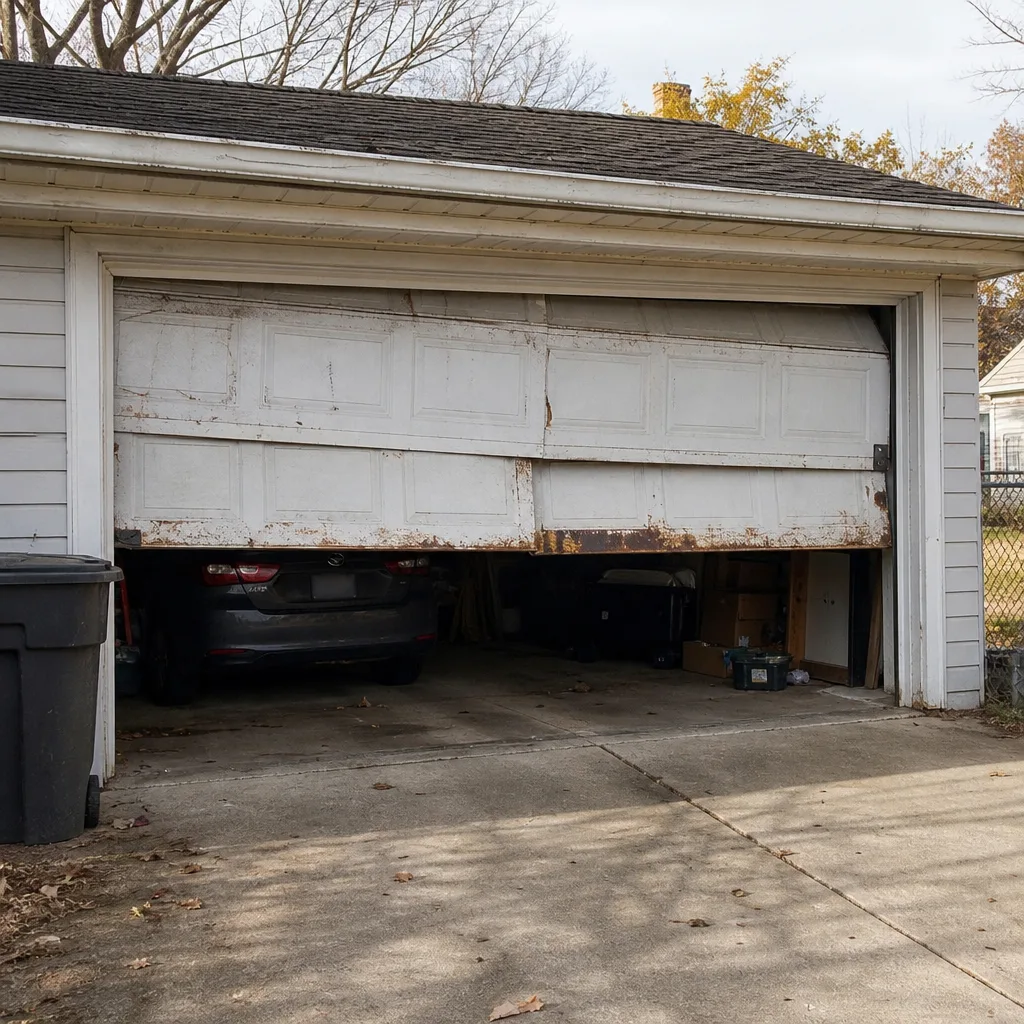 Before
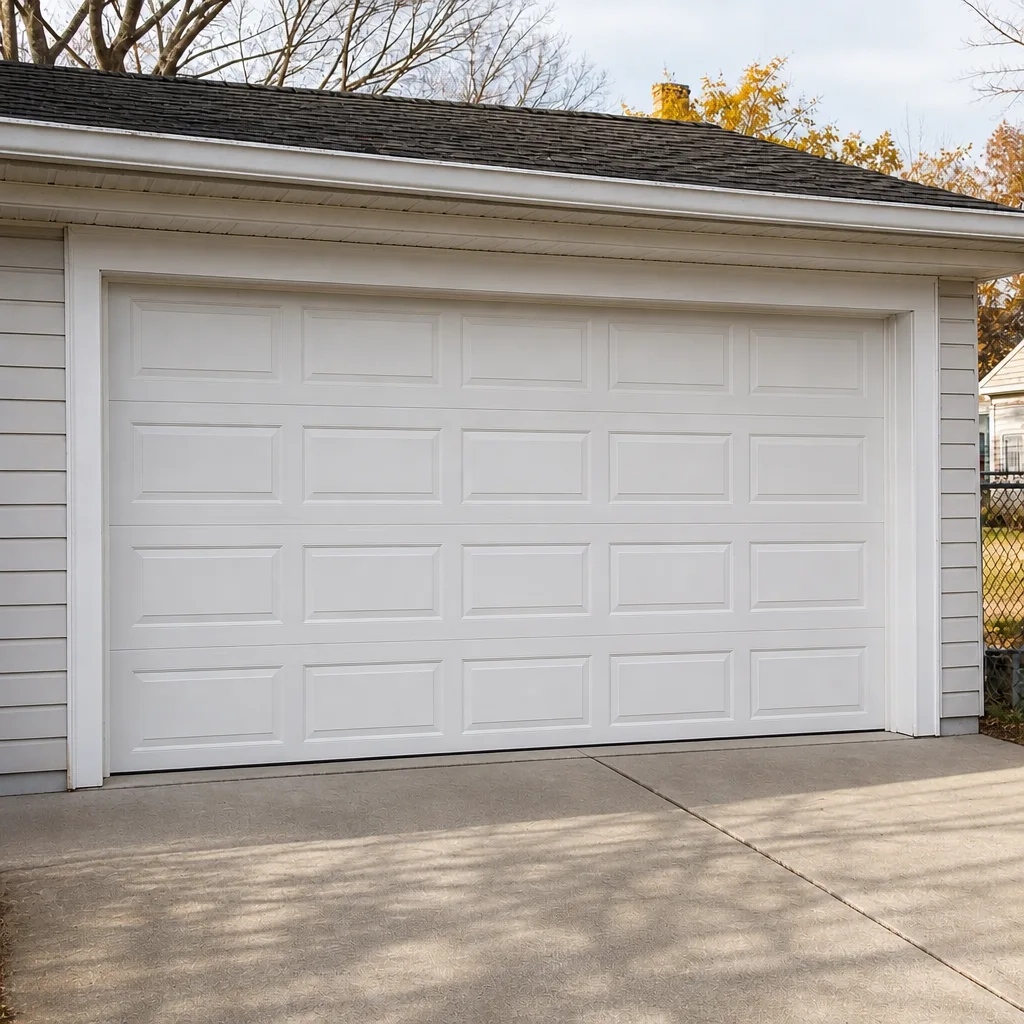 After
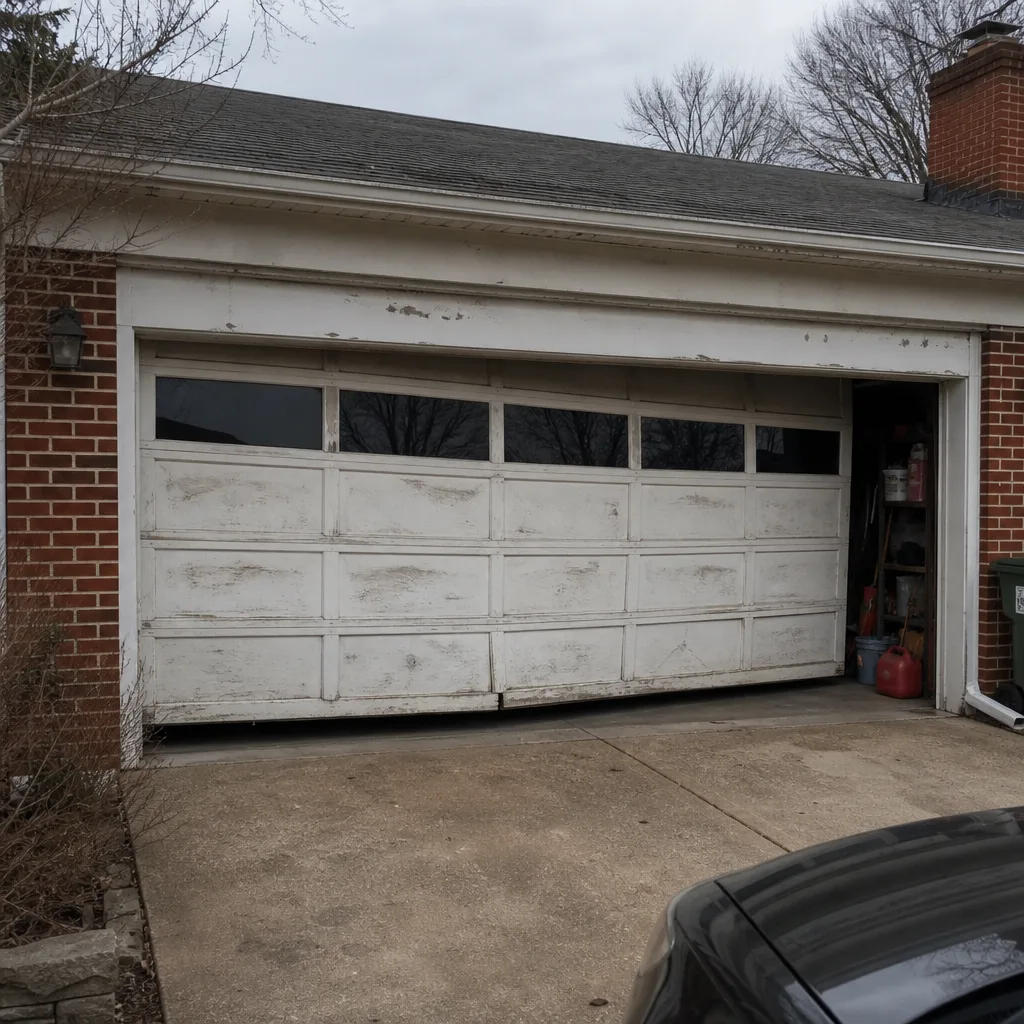 Before
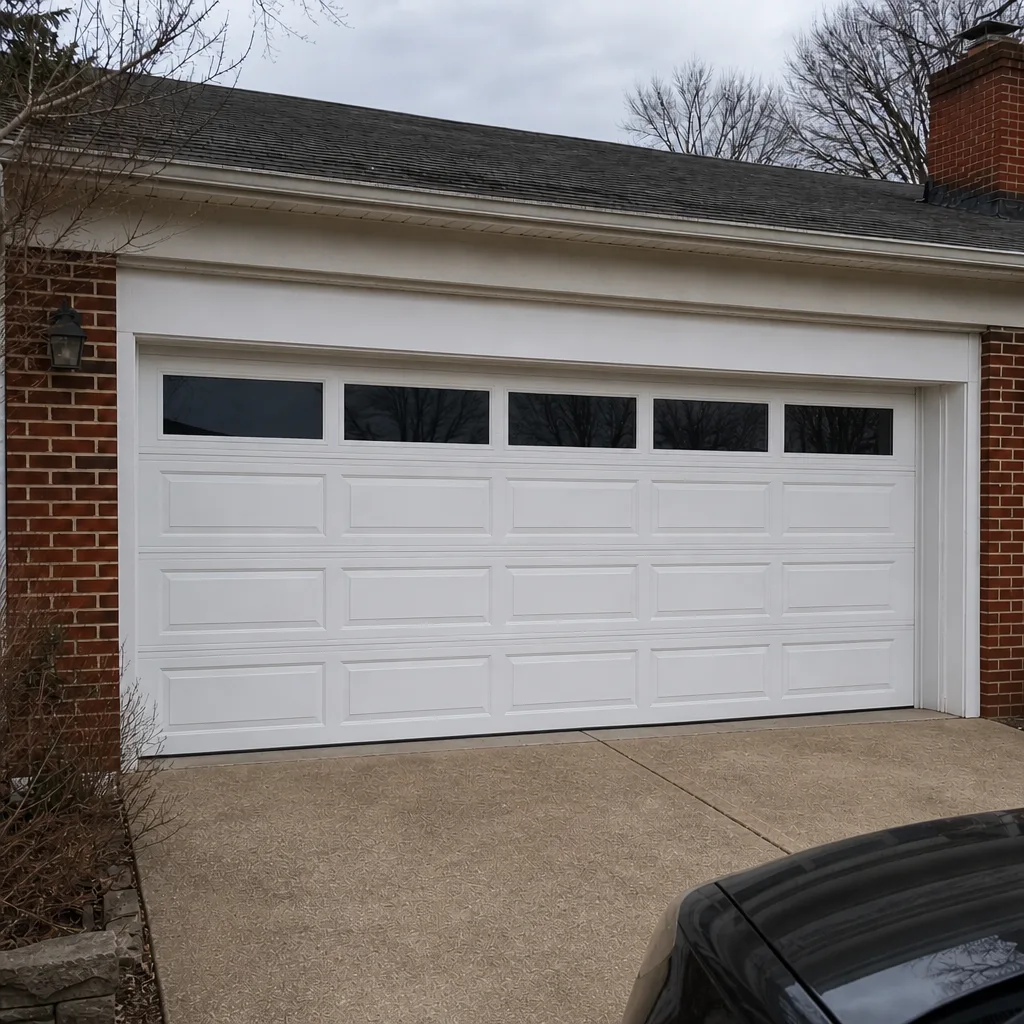 After
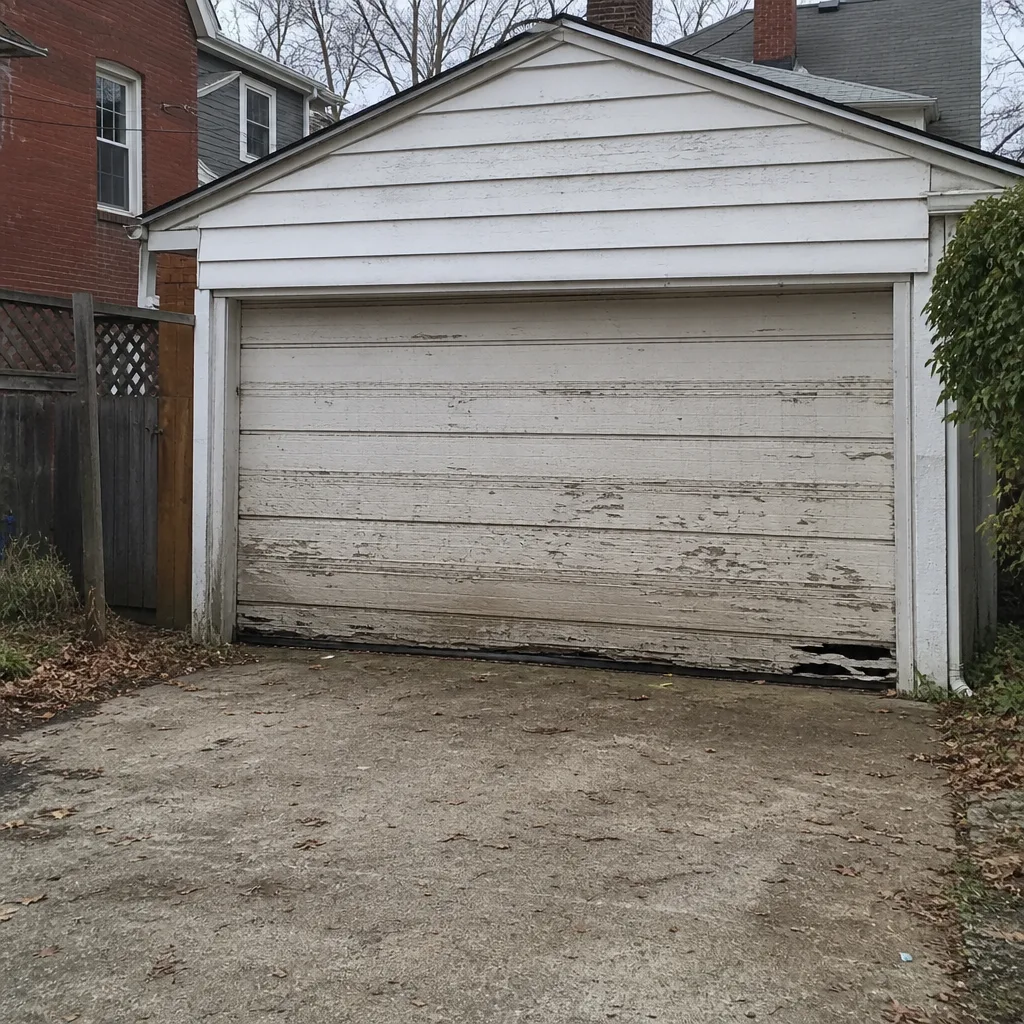 Before
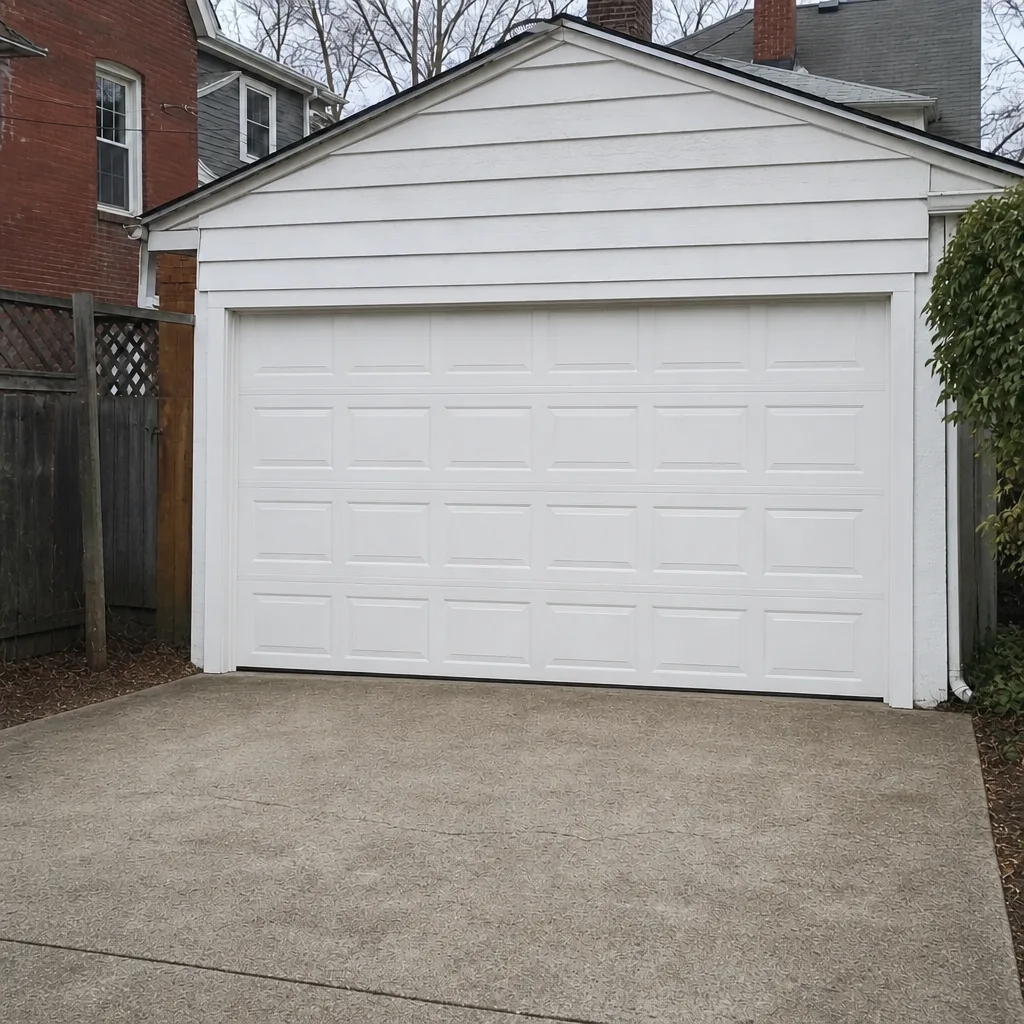 After
When to Call a Professional
Some garage door problems are clearly for a pro. A broken torsion spring is the biggest one – it’s under high tension and can cause serious injury if handled wrong. If you hear a loud snap from the garage and the door won’t lift, that’s a spring, and it’s not a DIY job. A door that’s come off its track, a door that won’t close because of a misaligned safety sensor, or an opener that’s dead and won’t respond to a reset are all situations where a trained technician saves time and risk. Electrical work on the opener circuit and structural work on the door framing also call for a licensed pro, not a general handyman with a ladder.
Garage Door Repair Brookland offers free estimates in Brookland – call (888) 655-9410. We work on all major brands, and our technicians have up to 11 years of experience. Same-day and emergency service available. We answer 24/7. Fast dispatch from 7am to 7pm, Sunday through Friday.
Frequently Asked Questions
Garage door repair in Brookland typically ranges depending on the specific problem – a spring replacement is usually priced as a pair when both springs are worn, an opener repair is a separate line item, and a track or roller repair is another. The written estimate sets the final price, and it’s agreed before any work starts. Call (888) 655-9410 for an exact quote – estimates are free.
They should be, but you need to verify. DC doesn’t have a standalone garage door license category – garage door work falls under general contractor and home improvement licensing. Ask for the license number and check it, and ask for a certificate of insurance. The local pro you hire should be able to provide both without hesitation.
In many cases, yes. Spring replacement is a same-day repair when the right parts are on hand and the diagnosis is confirmed. Because springs are the most dangerous part of a garage door, this is not a job to attempt yourself. Call (888) 655-9410 and we’ll get a technician out to diagnose and quote the repair.
No – the price is quoted and agreed before any work starts. If a technician finds something additional during the repair, they’ll tell you and get your approval before doing anything, so the invoice never surprises you. The written quote is the price.
We work on the major brands you’ll find in Brookland homes, including LiftMaster, Chamberlain, Genie, Clopay, Amarr, Wayne Dalton, Craftsman, and Raynor. That means correct parts and proper procedures for your specific system, not guesswork. Call (888) 655-9410 to confirm your model.
It depends on the scope. Simple repairs like spring or opener replacement usually don’t require a permit, but structural changes, new door openings, and electrical work on the opener circuit may. Call the DC building department to confirm before work begins. A good contractor will know the landscape, but verifying with the city is always the right move.
The Bottom Line
Hiring a garage door contractor in Brookland comes down to a few things that are easy to check and hard to fake. Verify they do garage doors as their main trade, confirm their DC licensing and insurance, ask the five screening questions on the phone, read the quote line-by-line, and ask directly about alley access and permit needs. The specialist who works on your brand and diagnoses the actual problem will stand out from the generalist within two minutes of conversation. The quote you sign should be written, itemized, and agreed before work starts. When you’re ready, call (888) 655-9410 for a free estimate – estimates are free, and we’ll tell you what your door actually needs.
Written by the team at Garage Door Repair Brookland.