
Last updated November 21, 2026
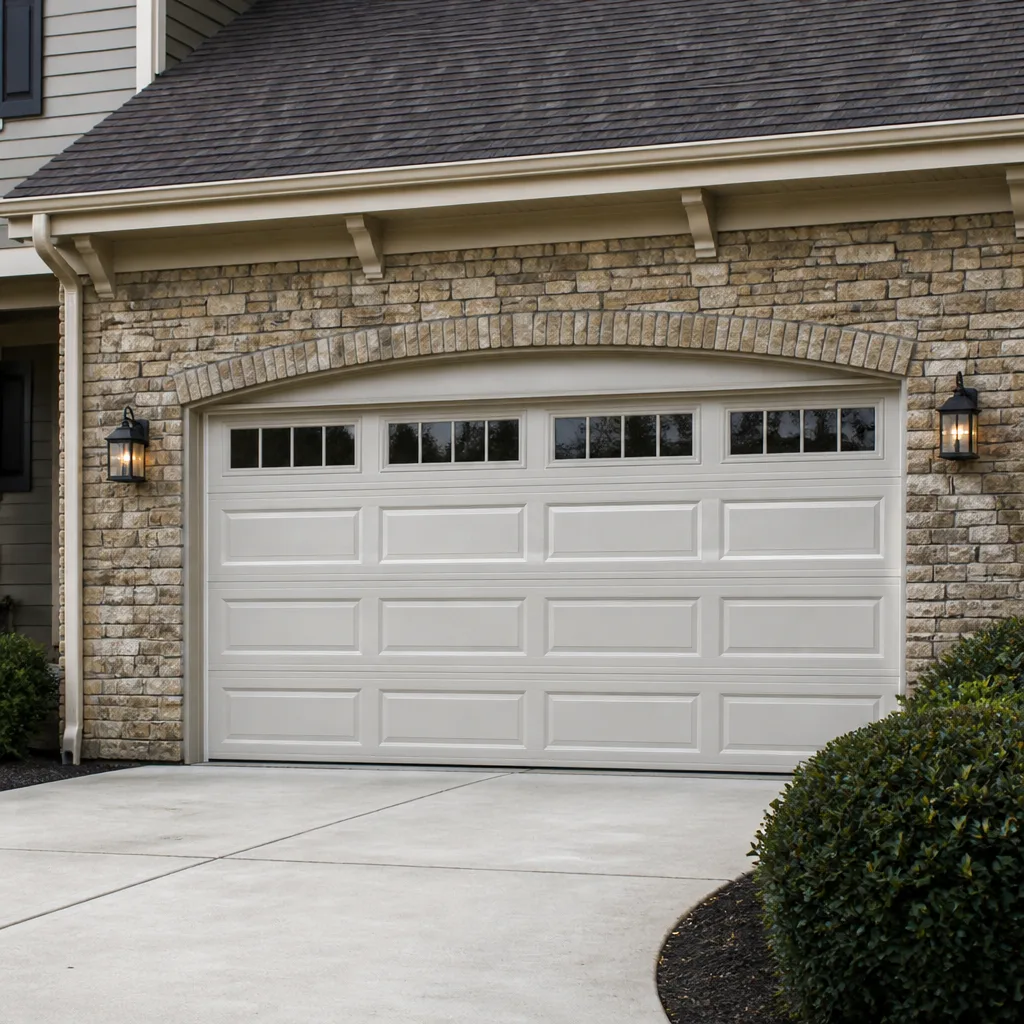 Raised-panel steel
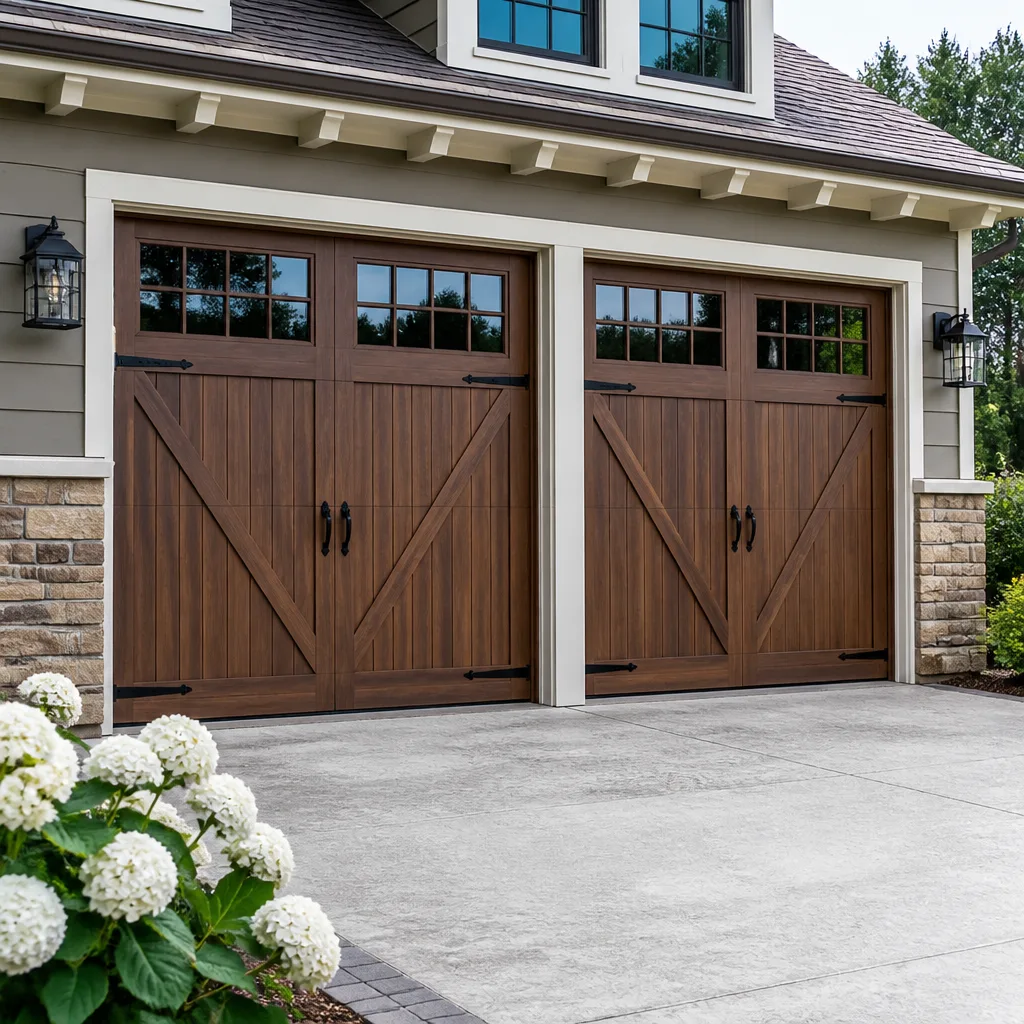 Carriage house
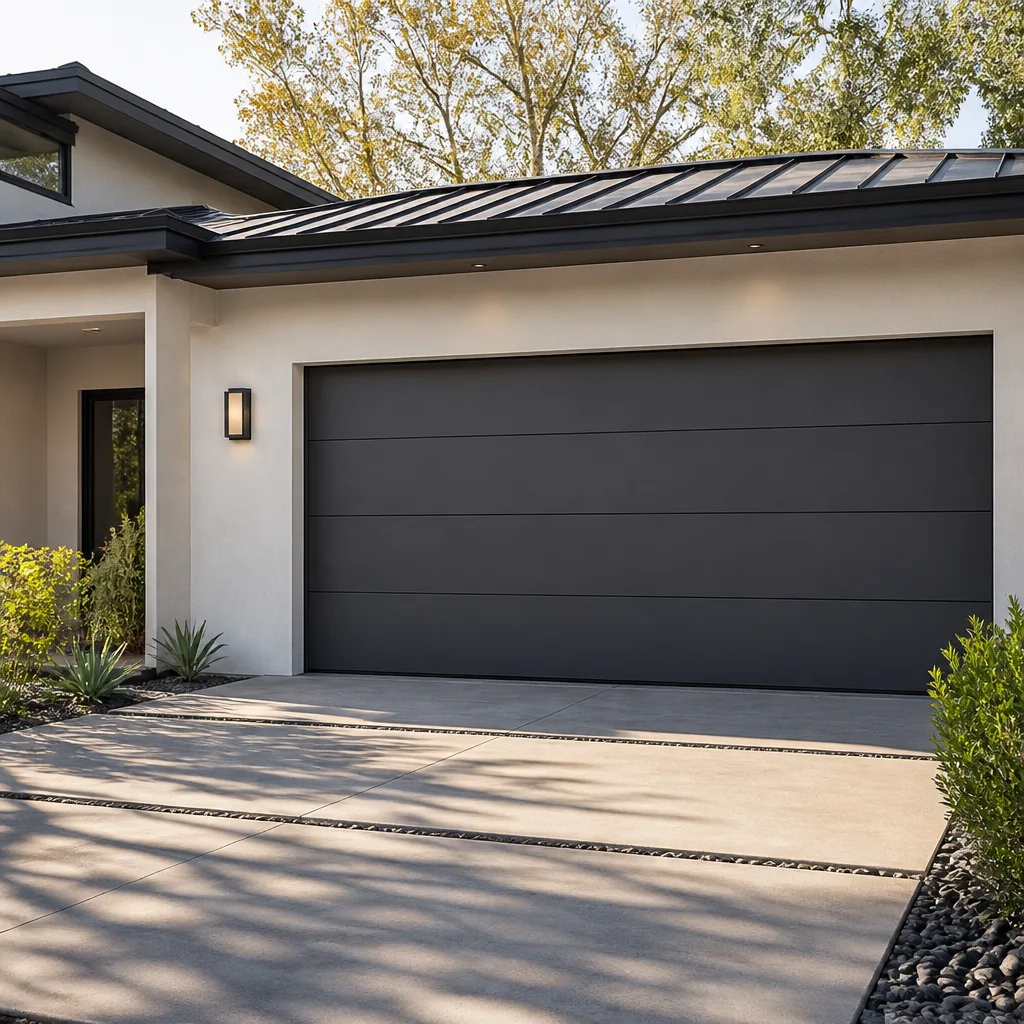 Modern flush
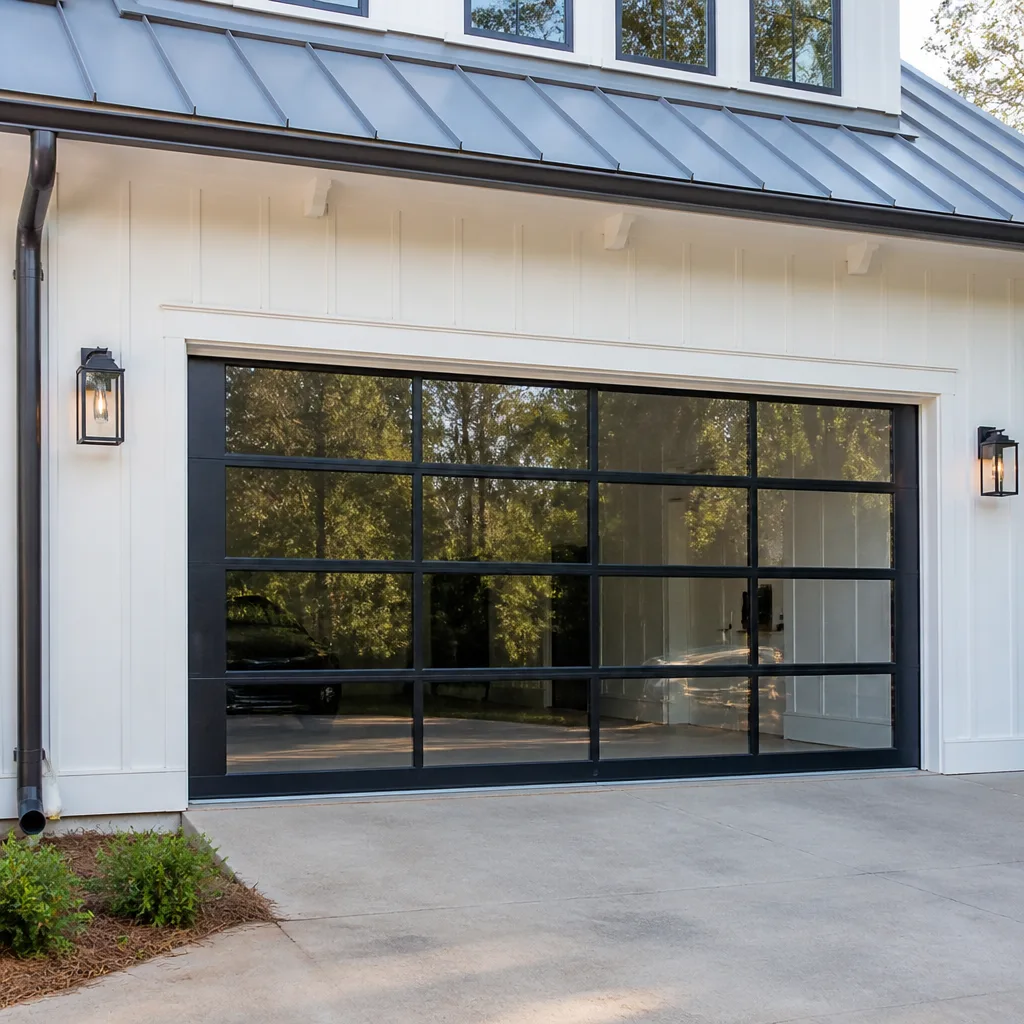 Full-view glass
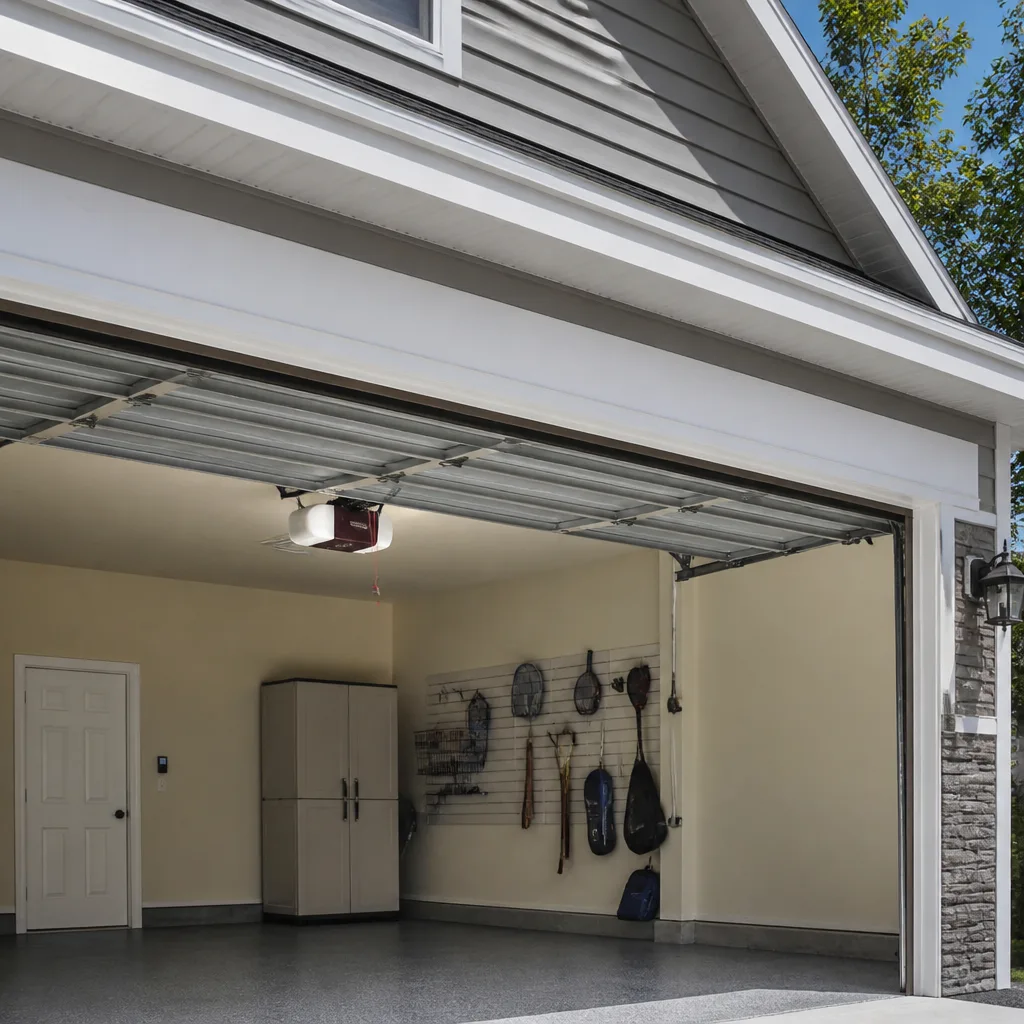 LiftMaster openers
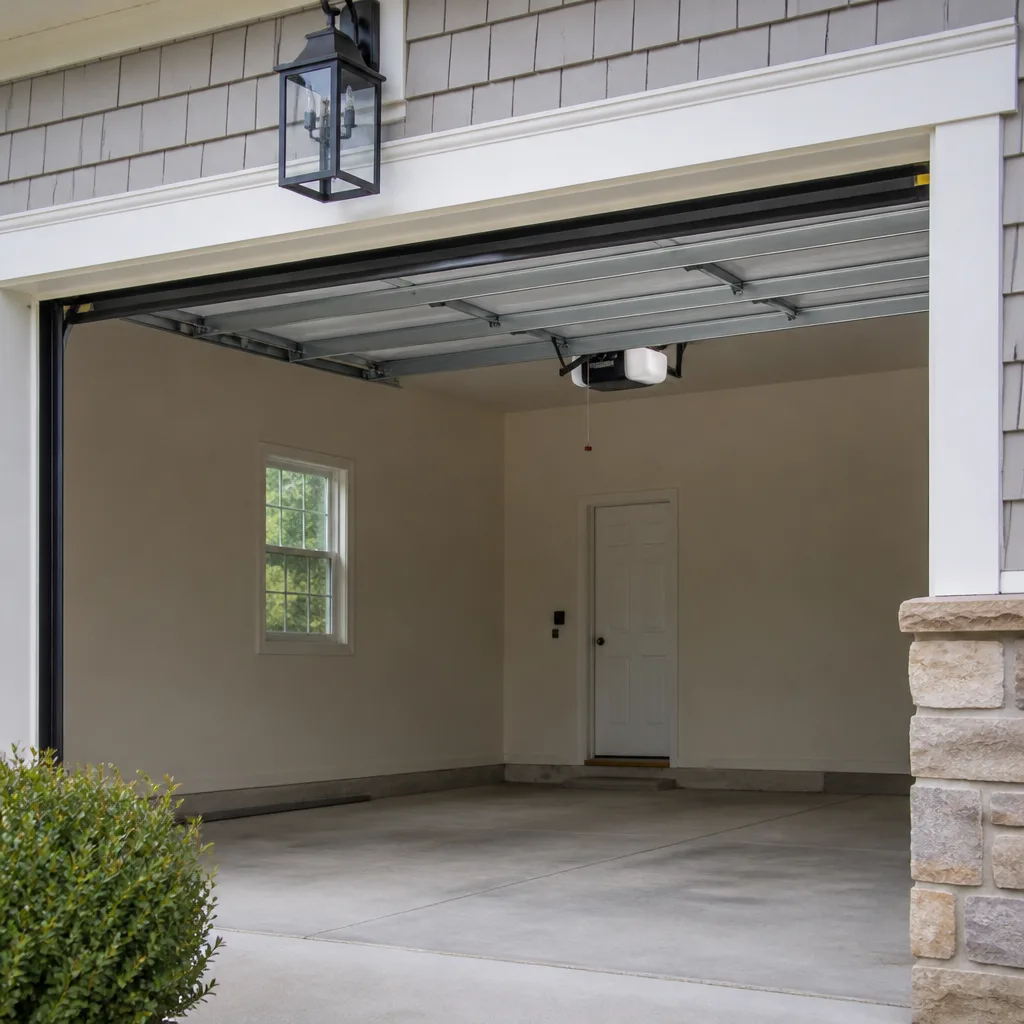 Chamberlain openers
Full 25-point door and opener safety check with every visit - springs, cables, rollers, tracks, and your LiftMaster or Chamberlain opener included
You get a price before we start. It does not change when the pro arrives.
Get your free estimateGarage Door Repair Maintenance Checklist for Brookland Homeowners
The call that wakes us up isn’t usually about a snapped spring or a door hanging off its track. It’s the torsion spring that had been ticking for months, the roller that had been grinding since last winter, the bottom seal that had been letting in water since the fall. Small maintenance tasks put off for a season or two are what turn into emergencies, usually at the worst possible moment. Brookland garages take a particular kind of abuse: humidity in July, hard freezes in January, alley grit in every season. This guide walks through what actually needs attention, how often, and what to skip. You’ll get a maintenance schedule you can actually keep, inspection sequences for the specific setup most Brookland homes have, and a way to build a service log that saves you money on every future call.
Quick Answer
A garage door in Brookland needs a lubrication pass every six months, a visual inspection of springs, cables, rollers and weatherstripping every three months, and a balance and auto-reverse test once a year. The parts that fail fastest in DC’s humidity-and-freeze cycle are the bottom seal, the rollers, and the torsion spring; those deserve the most frequent attention. Most maintenance is visual and can be done in twenty minutes. Springs and cables are not maintenance projects and should never be adjusted by anyone but a trained technician.
Styles & brands we work with
- Raised-panel steel
- Carriage house
- Modern flush
- Full-view glass
- LiftMaster openers
- Chamberlain openers
Table of Contents
- The Brookland Maintenance Schedule
- Which Components Fail Fastest in DC Weather
- Lubrication Points Most Guides Get Wrong
- How to Test Auto-Reverse and Force Settings
- Weatherstripping Inspection for Alley-Access Garages
- The Three-Month Visual Inspection Sequence
- Building a Maintenance Log That Saves You Money
- Brand-Specific Notes and When to Call
The Brookland Maintenance Schedule
A garage door is a system of moving parts, and each part has its own service rhythm. Treating everything the same – one annual tune-up, say – means you’re over-servicing some components and under-servicing the ones that actually fail first. Here’s a schedule built around the parts that break most often in Brookland garages.
Every three months:
- Visual check of the torsion spring, extension springs (if you have them), and cables for rust, gaps, or fraying
- Listen to the door open and close. Grinding, squealing or rattling points to a specific issue
- Inspect the bottom seal and side weatherstripping for tears, gaps or stiffness
- Check the photo-eye sensors at the base of the door for dirt, cobwebs or misalignment
- Look at hinges for loose screws or bent plates
Every six months:
- Lubricate hinges, rollers, the torsion spring (lightly), and the opener rail with the correct product
- Test the door’s balance by hand (with the opener disengaged)
- Tighten any loose bolts on the hinges, brackets and track supports
- Wipe down the photo-eye lenses with a dry cloth
Once a year:
- Full auto-reverse and force-setting test
- Inspect the entire track for bends, misalignment or debris
- Check the opener’s belt or chain tension and the wall-mounted control
- Look for signs of water intrusion at the threshold and side seals
The reason for the three-month cycle on visual inspections is simple: in Brookland, a spring that starts to rust through in November can snap by February. Catching rust early lets a technician replace a single spring before it takes out its partner or twists the door’s balance enough to strain the opener. On inspection alone, most calls about springs could have been scheduled as routine service months earlier.
Which Components Fail Fastest in DC Weather
DC’s climate is hard on garage door hardware in a way that doesn’t show up in most generic maintenance advice. The sequence goes like this: warm, humid summers push moisture into every seam and pivot point; a hard freeze in January contracts and stresses the metal; the thaw in March leaves condensation sitting inside the moving parts. That cycle repeats year after year, and certain components lose that fight faster than others.
Bottom seals go first. A vinyl or rubber seal on a Brookland garage door takes the most direct contact with water, ice and alley grit. Expect to replace a bottom seal every two to four years if the door faces an alley or a driveway that pools. A seal that’s gone stiff and cracked lets in cold air, water and pests, and it also makes the door bang against the floor on close.
Nylon rollers are the second-fastest failure. Nylon is quiet and smooth when it’s new, but UV exposure and grit from alley pavement wear the bearings down. Steel rollers last longer but are noisier. In our experience, a Brookland garage door that sees a lot of grit from an unpaved or gravel alley benefits from steel rollers on the bottom brackets and nylon on the rest.
Torsion springs live under the most stress. A standard torsion spring is engineered for a specific number of cycles – typically thousands, not tens of thousands – and each open-close is one cycle. A house with two drivers coming and going several times a day cycles the spring faster than a household that mostly uses the front door. Humidity accelerates corrosion on the spring’s surface; corrosion is where cracks start.
Cables don’t usually fail on their own. They fail when a spring breaks and the cable snaps under sudden load, or when a drum or bracket has been misaligned for months. If a cable is fraying, it’s a sign that something else is off.
Opener components – the drive gear on a chain-drive opener, the belt tension, the logic board – tend to fail in clusters around the ten-to-fifteen-year mark. A Genie or LiftMaster unit installed in a Brookland home a decade ago may run fine and then start misbehaving after a power surge or a hard winter.
Lubrication Points Most Guides Get Wrong
Lubrication is where DIY maintenance most often does damage. The wrong product on the wrong part can attract grit, gum up in cold weather, or – worst case – degrade the parts it was meant to protect. Here’s what actually needs lubrication and what needs to be left alone.
What to lubricate:
- Roller bearings and stems – a few drops of white lithium grease or silicone spray on each roller’s bearing, not the roller’s rolling surface.
- Hinges – a light coat of white lithium grease on each hinge’s pivot point.
- Torsion spring coils – a light spray of white lithium grease over the length of the spring. This is the one the guides often forget. It slows surface corrosion, which is exactly where cracks begin.
- Opener rail or belt – a small amount of the manufacturer’s specified lubricant on a chain-drive rail. Belt-drive rails usually need none; check the manual for your Genie or LiftMaster unit.
What not to lubricate:
- The track itself. This is the single biggest mistake. Track lubrication attracts dust and grit from the alley, which packs into the rollers and the track channel. The result is more friction, not less.
- Photo-eye lenses. Clean them with a dry cloth, never lubricant.
- The spring’s end plates or mounting hardware. Fasteners should be dry and tight.
The product matters as much as the placement. In Brookland’s freeze-thaw cycle, a heavy grease gets stiff in January and can drag on rollers. Silicone spray and white lithium grease both hold up better than heavier products, and silicone is easier on nylon. The cheap can of all-purpose penetrating oil in your garage is not the right choice here – it runs off in warm weather and doesn’t protect against rust. If you’re not sure what’s already on your hardware, ask a technician to check before adding more.
How to Test Auto-Reverse and Force Settings
The auto-reverse function is the most important safety feature on any garage door, and it’s the one most Brookland homeowners never test. It’s also the easiest to test – no tools required. This matters more in older detached garages, where the door was likely installed before modern safety standards and where the opener may have decades of settings drift behind it.
The photo-eye test:
- With the door open, find the two small sensor units mounted at the base of the door, one on each side.
- Wave a hand or the leg of a broom through the beam. The door should not close when the beam is broken. If it closes anyway, the sensors are misaligned, dirty, or failed, and the system needs service.
- Check that the LED on each sensor is lit and steady (not blinking). A blinking light means misalignment or an obstruction.
The force-setting test:
- Open the door fully, then close it by hand with the opener disengaged. It should move with light resistance. If it’s stiff, the balance is off, and the opener’s force setting is compensating.
- Re-engage the opener. Place a piece of wood or a brick flat on the floor in the door’s path. Close the door. It should reverse within a couple of inches of contact.
- If the door doesn’t reverse, or if it forces down hard onto the obstruction, the force setting is too high. On most openers, the adjustment knob or trim pot is on the back or side of the unit, labeled “force” or “sensitivity.” Turn it down slightly and retest. If the door won’t close without the force setting cranked up, stop adjusting and call.
Why this matters in a Brookland detached garage: many were built in the 1920s through the 1960s, long before garage door safety standards required auto-reverse. If your opener was retrofitted at some point or the original was replaced only for the motor, the force setting may have drifted through years of temperature swings. Test it once a year, minimum.
Weatherstripping Inspection for Alley-Access Garages
Brookland has a lot of alley-access garages, and those doors lead a different life than front-facing ones. The bottom of an alley door takes a beating from gravel, asphalt grit, leaves, and whatever the plow pushes up in winter. The side seals face the prevailing wind. And because the alley backing is often other garages or fences, water doesn’t always drain away quickly.
Check the weatherstripping in this order:
- The bottom seal. Run your hand along the underside of the door. A healthy seal is flexible, uniform, and sits flat against the floor. A failing seal is stiff, cracked, torn in places, or riding above the floor on one side. Look for daylight under the closed door.
- The side jambs. Run a hand along both vertical seals. Look for gaps at the corners where the door meets the frame.
- The top seal. Less critical but still worth a look, especially on a door that faces an open alley where leaves and debris blow in.
- The threshold. Walk the floor where the door closes. Water pooling at the threshold, or a floor that’s uneven from settling, will defeat even a new seal. A technician can recommend a threshold replacement if the concrete has moved.
Signs that your weatherstripping needs replacement: daylight visible along the bottom of the closed door, visible gaps at the sides, water in the garage after rain, or drafts you can feel. A Clopay or Amarr door from a Brookland garage is likely to use a standard bottom seal profile that most garage door suppliers carry. For Wayne Dalton doors, the bottom seal is sometimes proprietary, so check the brand before ordering. If the door is old and the seal is original, expect to tear it out rather than peel it off.
The Three-Month Visual Inspection Sequence
This is a six-to-ten-step walk-around you can do in fifteen or twenty minutes. Do it from the ground; never stand on a ladder to inspect the spring or opener hardware unless you’re trained to work around them.
- Stand back and look. Close the door from outside. Does it sit level with the floor? Is the gap at the bottom even across the width? If one side is higher, the balance is off or a cable has slackened.
- Look at the springs. Torsion springs (mounted above the door on a horizontal bar) or extension springs (mounted along the horizontal tracks). Look for gaps, dark cracks, or rust streaks. Do not touch. Do not try to adjust.
- Examine the cables. Look for fraying, kinks or a cable that’s off its drum. If you see either, stop and call.
- Check the hinges. With the door up, look for bent hinge plates or missing screws. A bent hinge usually points to a door that’s slightly off-track.
- Sight down the tracks. With one eye close to the track, look from the bottom up. The track should be straight; bends or dents mean the rollers will wear unevenly.
- Examine the rollers. Worn nylon rollers flat-spot. Steel rollers show visible wear at the bearing. Any roller that wobbles when you touch it needs replacing.
- Test the photo eyes. The quick hand-wave test from the previous section.
- Walk the perimeter. Check the weatherstripping all the way around the door’s frame.
- Test the balance. Disengage the opener (usually a pull cord with a red handle). Lift the door by hand to halfway. It should stay at halfway on its own. If it drops or rises on its own, the balance is off.
- Check the opener mounting. The header bracket, the rail angle, the ceiling hangers. Loose hardware at the opener is a slow source of noise and misalignment.
Make this inspection a fixture of the calendar. Spring and fall are natural times to do it in Brookland; the extremes of July heat and January cold are when things break, so the run-up to each season is your chance to catch a problem before it does. If the balance test in step 9 fails, that’s a call-a-technician situation – it means the spring, cables or track need attention, and adjusting them yourself risks serious injury.
Building a Maintenance Log That Makes Future Calls Faster and Cheaper
A maintenance log is the most underused tool in residential garage door ownership. It does three things: it speeds up diagnosis, it makes future service cheaper (a technician who knows what’s been done can skip the discovery phase), and it tells you honestly when a repair is worth doing versus when a replacement makes more sense.
What to record for each entry:
- Date and odometer of cycles. Estimate your daily opens and closes (count a typical weekday). Multiply by 365 for an annual figure. Write down the estimate.
- What was done. Lubrication, spring replacement, seal replacement, opener service, etc.
- Brands and model numbers. The opener brand and model (LiftMaster, Chamberlain, Genie, etc.) and the door brand (Clopay, Amarr, Wayne Dalton, etc.) and approximate size. This cataloging takes five minutes now and saves twenty later.
- Part numbers or descriptions of anything replaced. A bottom seal profile number, a spring length and gauge, a hinge model.
- Observations. “Door starting to grind at the top track” is exactly the note that lets a technician arrive with the right part.
- Who did the work. Whether it was routine service from a garage door company or your own lubrication pass.
Keep it on the wall of the garage or in a file on your phone. If you sell the home, the log is a real asset – it tells the next owner the maintenance history, which is useful when a door is 15 years old and the buyer’s inspector starts asking questions. If you call us, we’ll add our service entries to the log so the full history stays in one place.
Brand-Specific Notes and When to Call
Garage doors aren’t universal, and neither are their maintenance needs. The brand matters most at the moment when a part needs replacing, and it matters for the way the opener’s force and auto-reverse settings are configured.
On the opener side, Genie and LiftMaster units both work on standard torsion or extension spring systems, but they have different force-setting procedures and different remote programming. Chamberlain openers, which share engineering with LiftMaster, use the same maintenance approach. Craftsman openers, common on older Brookland homes, are still serviceable and their parts are broadly available. On the door side, a Clopay residential door uses standard hinge and roller sizes, while Amarr doors can have subtle size variations in their bottom seal profiles, and Wayne Dalton doors are the most likely to use proprietary hardware. If you’re unsure of your brand, look at the sticker inside the door panel or the back of the opener motor housing.
The maintenance tasks in this guide are safe for anyone to do with a screwdriver, a rag, and the right lubricant. The tasks that aren’t safe are the ones that involve the spring, the cables, or the door’s balance adjustment. A torsion spring can be under hundreds of pounds of load even when the door is down. If you’re dealing with a broken spring, a snapped cable, a door that won’t close, or a door that’s come off its track, the answer is simple: call a professional. Our technicians have up to 11 years of experience and work across all major brands. If your door needs repair, you can get garage door repair help from a technician who knows your brand and system. If the opener itself is the problem, garage door opener repair covers diagnosing everything from the wall control to the logic board. And when a door has reached the end of its service life, garage door installation covers the full replacement process from measure to final adjustment.
Common Mistakes to Avoid
- Lubricating the track. Track grease turns into a magnet for the grit that blows off the alley. The friction gets worse, not better, and the rollers wear faster. Clean the track with a rag and leave it dry.
- Using WD-40 or all-purpose oil on the hardware. These products clean a surface but don’t lubricate under load, and they attract dust. White lithium grease and silicone spray are the right choices for hinges, rollers and springs.
- Adjusting the force setting to fix a door that’s out of balance. If the door won’t close without high force, the spring balance is wrong. Crank the force setting up and you’re asking the opener to do the spring’s job, which shortens the opener’s life and defeats the auto-reverse safety.
- Skipping the spring inspection because “it still works.” A spring doesn’t fail suddenly from a healthy state. It cracks from rust and fatigue cycles. Visual inspection is how you find it before it snaps.
- Replacing one spring of a matched pair. Paired torsion springs are engineered to share the load. A new spring paired with an old one takes more cycles than it should, and the older one usually fails within months. Replace both.
- Blaming the opener for a door problem. Nine times out of ten, a door that’s hard to open or closes unevenly has a balance issue in the door itself, not a failing motor. Replacing the opener without fixing the door wastes money and wears out the new unit.
- Waiting until a door won’t close to do any maintenance. A door stuck open is an emergency. A door that’s been binding for two months was a scheduled appointment you missed.
See the difference
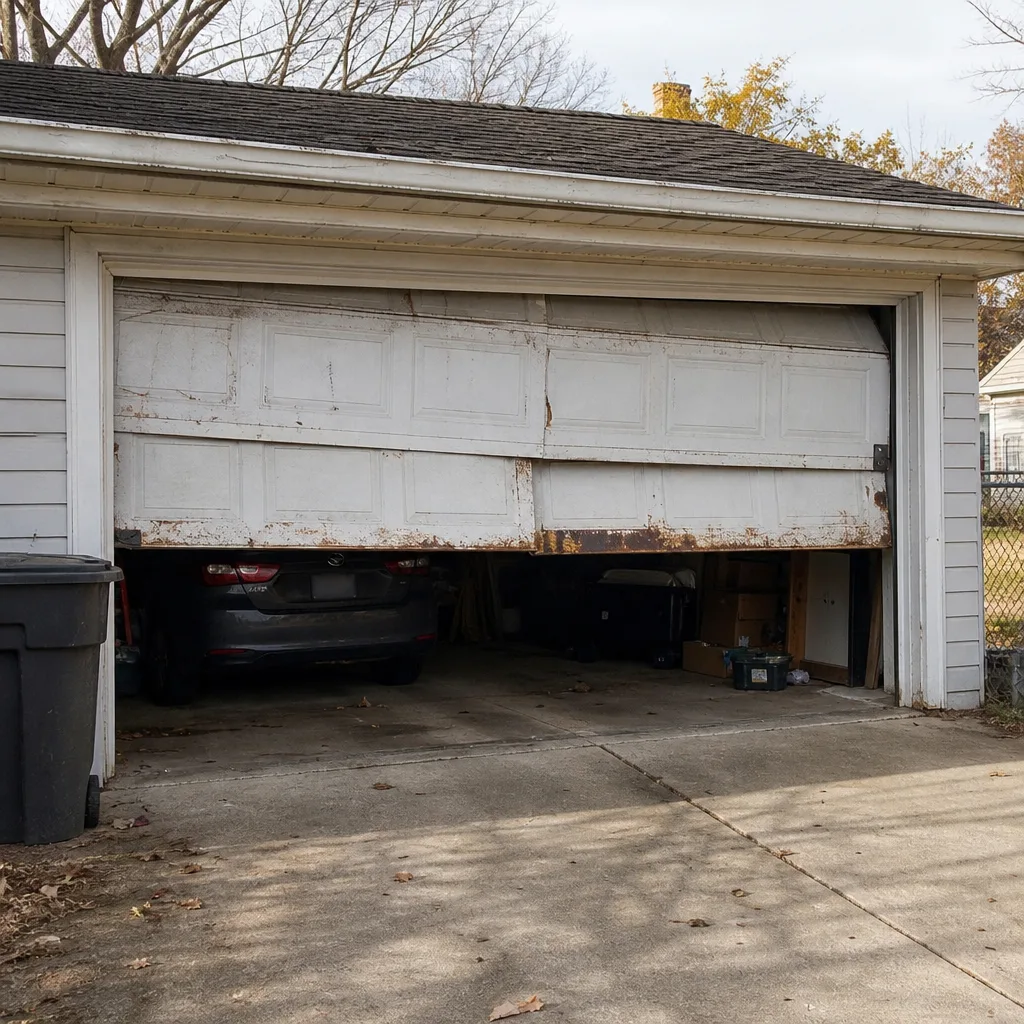 Before
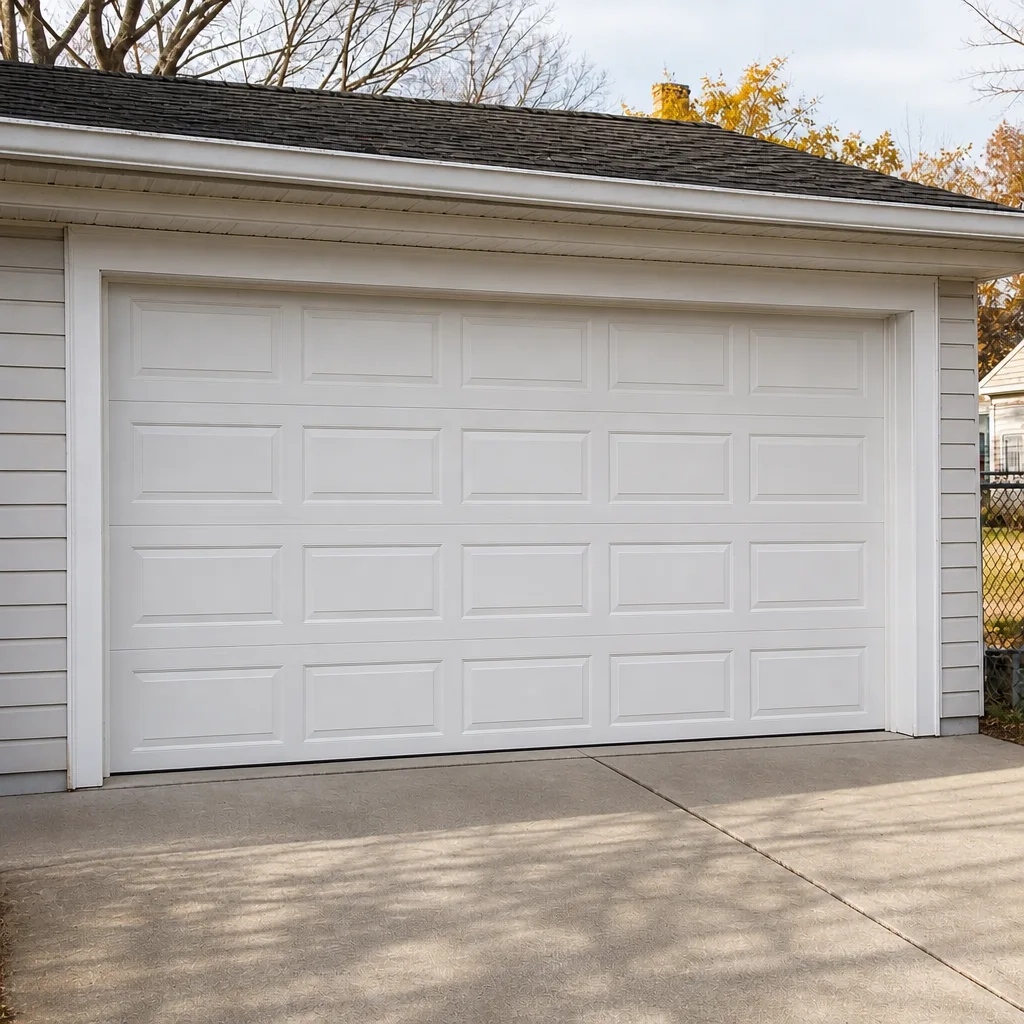 After
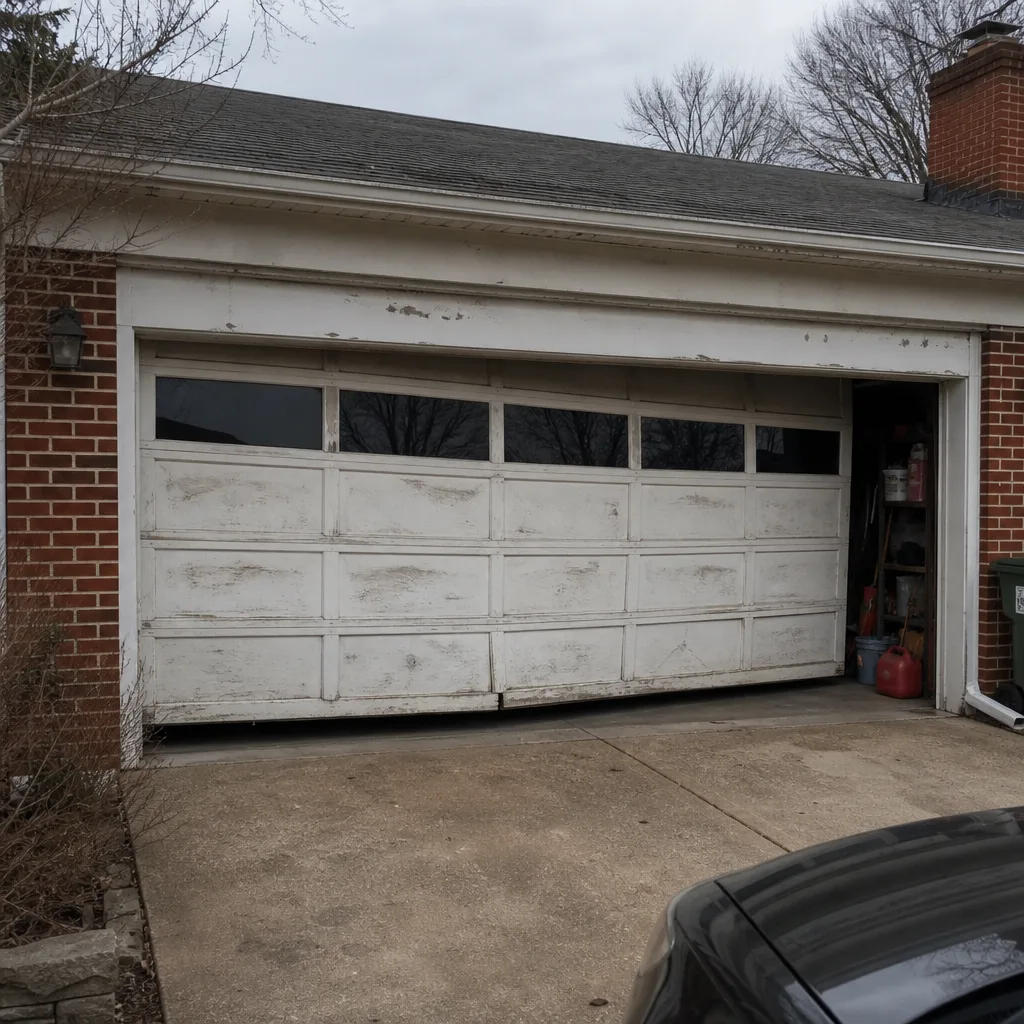 Before
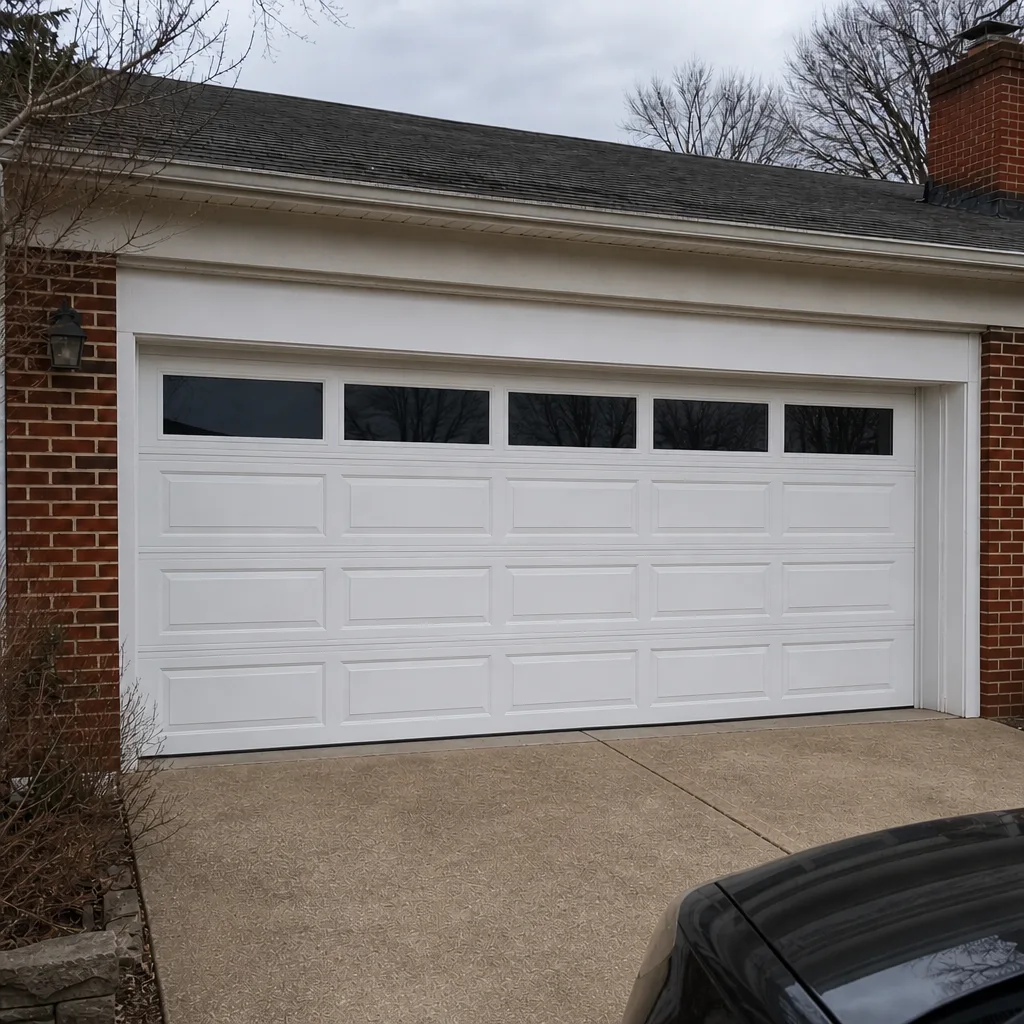 After
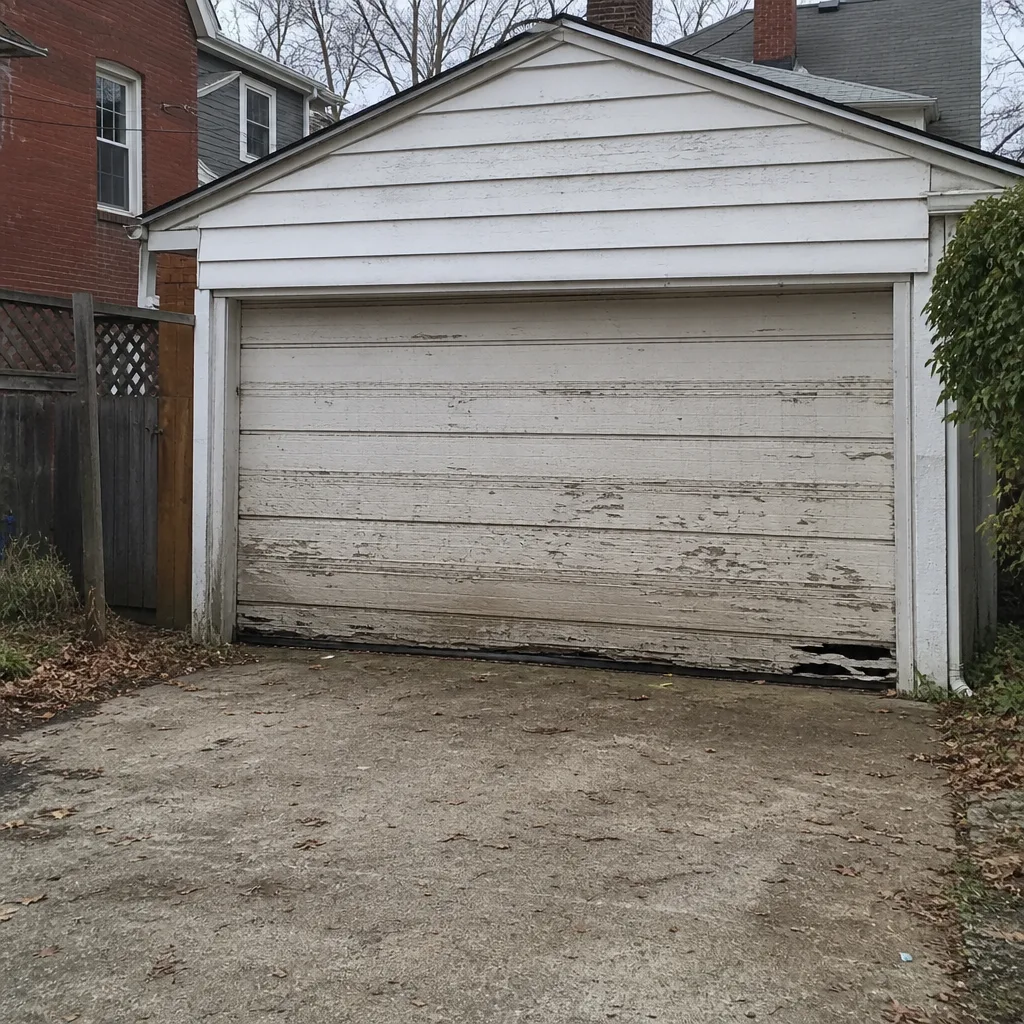 Before
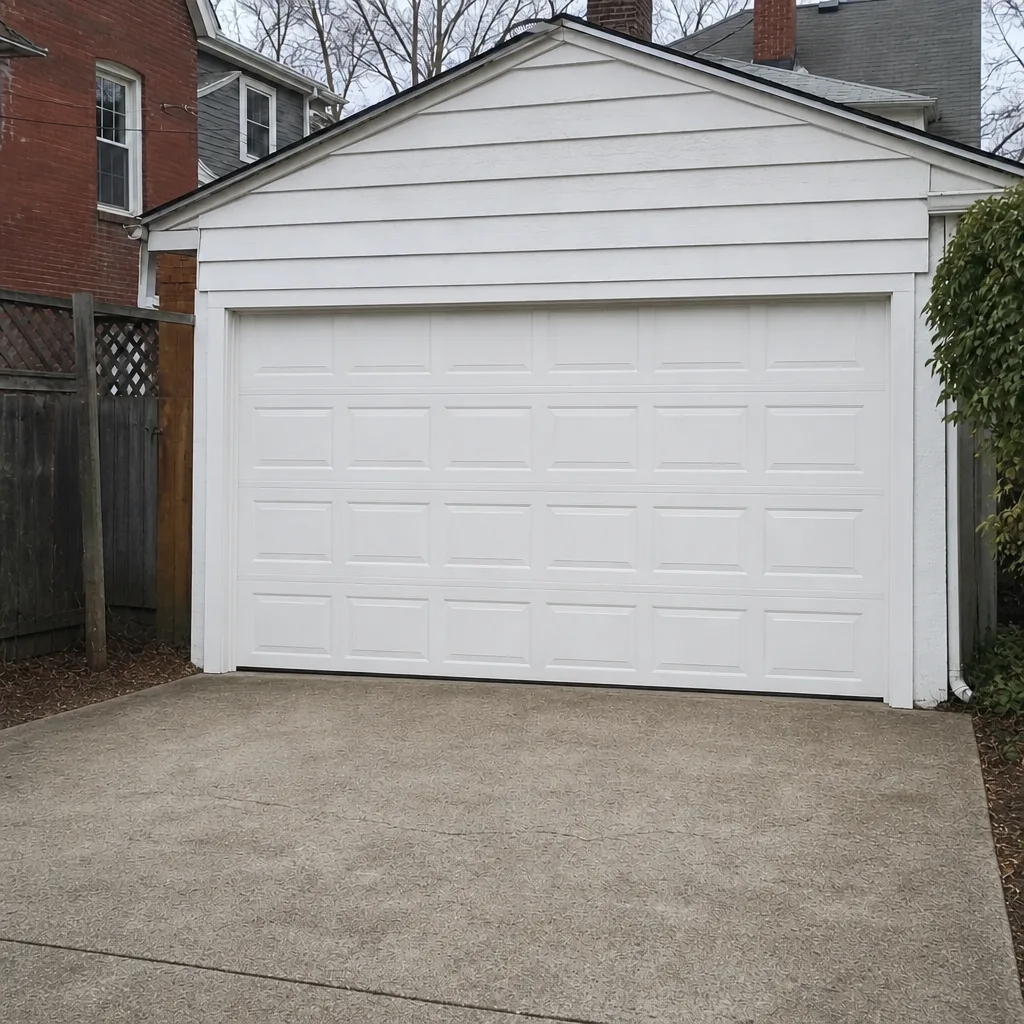 After
When to Call a Professional
Call for any broken spring, any snapped or frayed cable, any door that has come off its track, and any opener that’s failed outright. Those aren’t maintenance tasks; they’re repairs, and they carry real injury risk if handled without training. Call if a door is out of balance, if the auto-reverse test fails even after you’ve followed the steps above, or if a door has become noticeably harder to lift by hand than it was a year ago. Call if the door’s bottom seal or weatherstripping is failing and you’re not sure which brand profile you need. And call if you simply don’t want to do the lubrication and inspection yourself; it’s a routine service and can be scheduled like any other.
Garage Door Repair Brookland offers free estimates in Brookland. Call (888) 655-9410. We answer 24/7. Fast dispatch from 7am to 7pm, Sunday through Friday. We work on LiftMaster, Chamberlain, Genie, Clopay, Amarr, Wayne Dalton, Craftsman and Raynor equipment, and we’ll diagnose the actual problem before recommending any work. Price is quoted and agreed before any work starts, so there are no surprises on the invoice.
Frequently Asked Questions
Every six months, ideally in spring and fall. Brookland’s humidity-and-freeze cycle means hardware is exposed to moisture in summer and contraction and condensation in winter, so twice a year keeps the moving parts protected without overdoing it. A garage door that faces an alley and sees a lot of grit may benefit from a light mid-cycle touch-up on the rollers.
No. Torsion and extension springs are under extreme tension even when the door is fully closed; releasing that tension incorrectly can cause serious injury. Spring replacement is a trained-technician job. If you suspect a spring issue, call (888) 655-9410 for a free estimate.
The most likely cause is a spring that’s lost tension or a door that’s out of balance, not a failing opener. Test the balance by disengaging the opener and lifting the door to halfway by hand; if it won’t stay, the balance is off and needs a technician. A binding door usually gets worse over weeks, so call before it stops completely.
Once a year minimum, and any time you notice a change in how the door closes. Test the photo-eye sensors by waving a hand through the beam; the door should refuse to close. Test the force setting by placing a brick or piece of wood in the door’s path; the door should reverse when it touches the obstruction. If it doesn’t, that’s a call.
Usually yes, if you know your door’s brand and the seal profile. Clopay and Amarr doors generally take standard profiles; Wayne Dalton doors can be proprietary. If you’re not sure of the brand, look for the sticker inside the door panel or the owner’s manual. If it’s over your head, a technician can match the profile and replace it in one visit.
Lubricating the track. It’s the single most common DIY mistake, and it makes things worse by collecting grit. The track should stay dry and clean; lubrication belongs on the hinges, rollers and springs. For a full restoration of a door that’s been running on a dry or over-lubricated track, garage door repair in Brookland includes cleaning the entire system and checking every component.
The Bottom Line
Garage door maintenance in Brookland comes down to a simple schedule: visual inspection every three months, lubrication every six months, and auto-reverse and force testing once a year. The parts that fail fastest in DC’s climate are the bottom seal, nylon rollers and torsion springs, and each has its own timeline. Lubricate the hinges, rollers and springs, never the track. Test the safety features without tools. Log what you do and when, because a written history makes every future call faster and less expensive. When a spring breaks, a cable snaps, or a door comes off track, don’t go near it – call a professional. Springs, openers, panels and full replacements are all handled in one call. For routine service or a free estimate, call (888) 655-9410.
Written by the team at Garage Door Repair Brookland.