
Last updated November 21, 2026
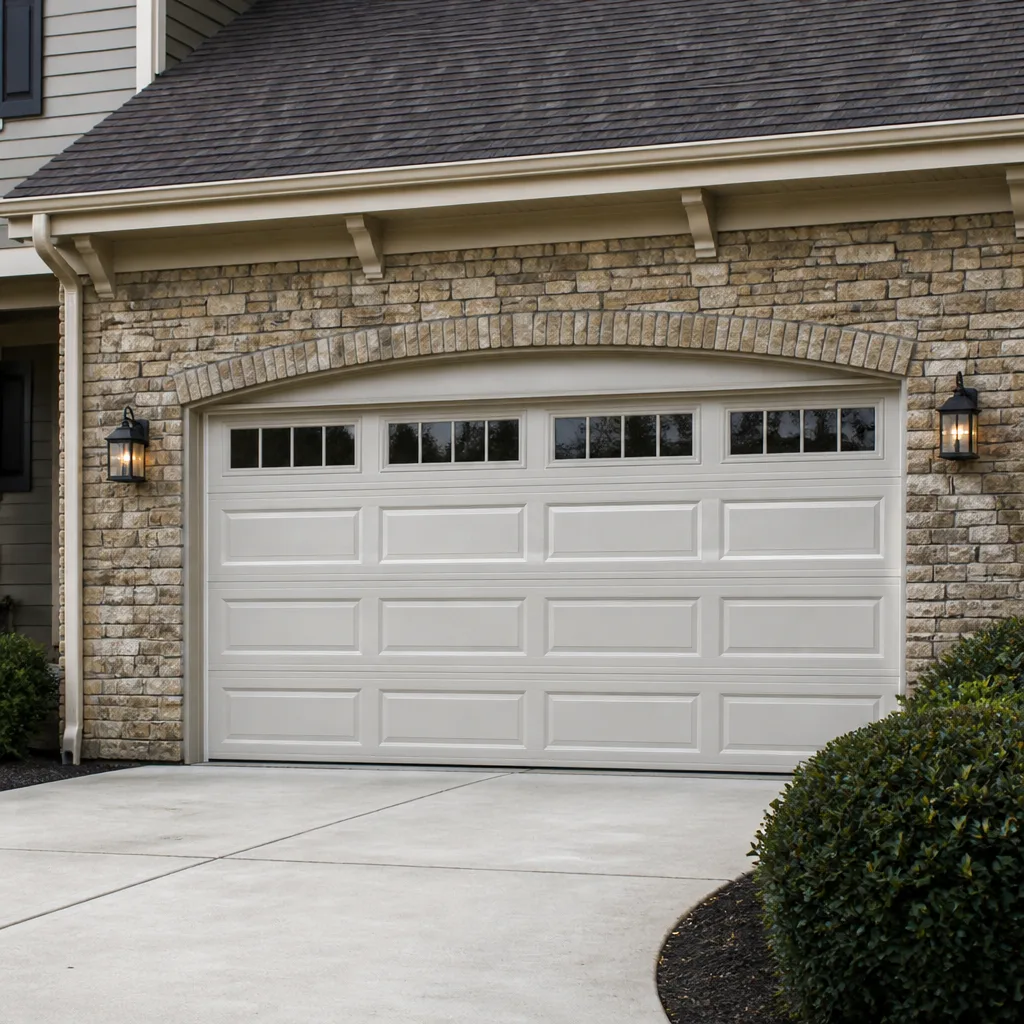 Raised-panel steel
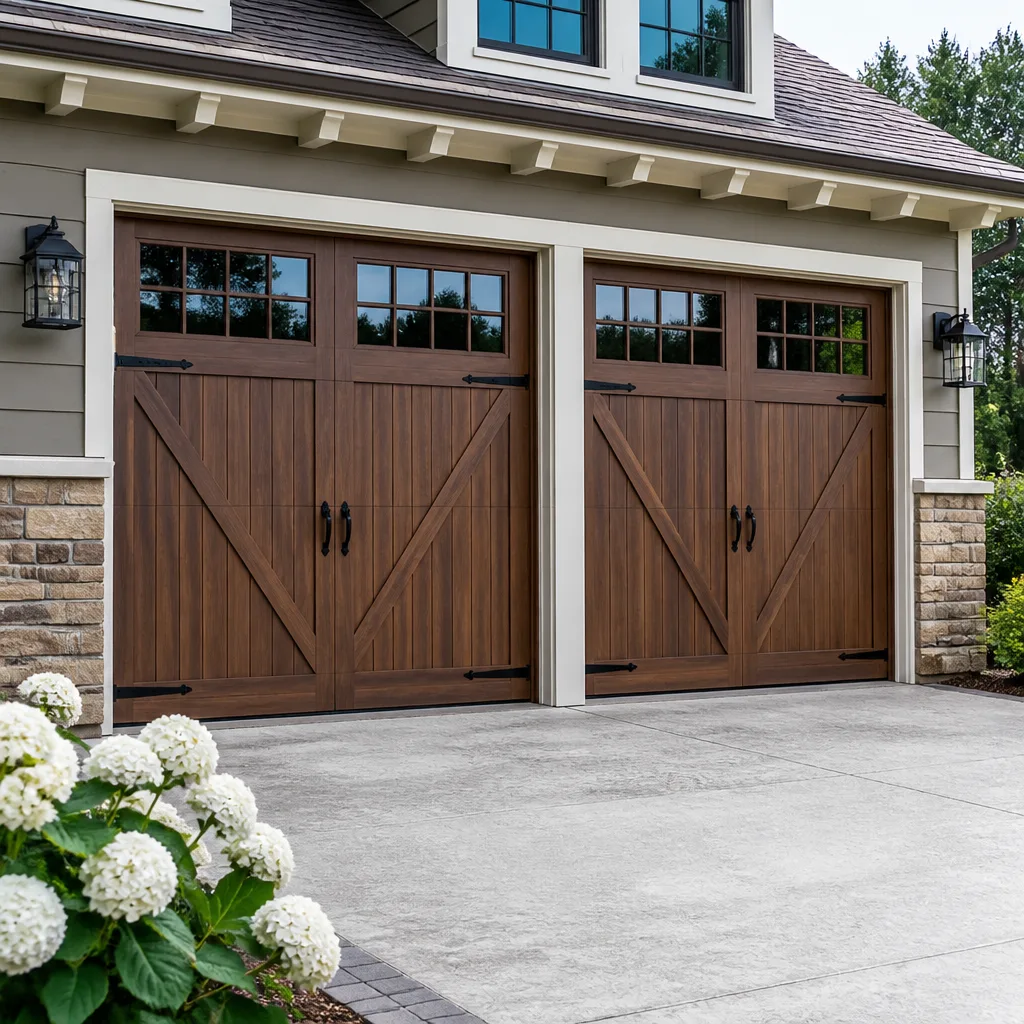 Carriage house
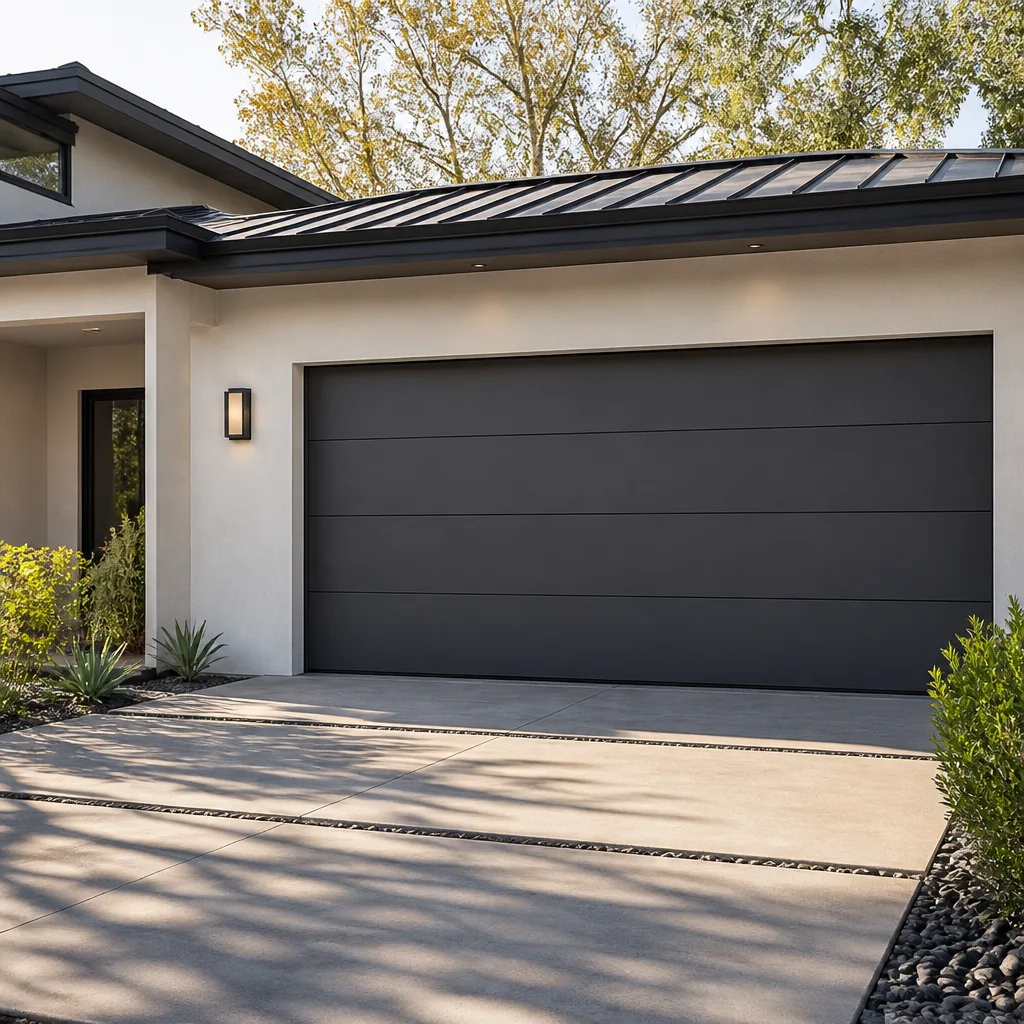 Modern flush
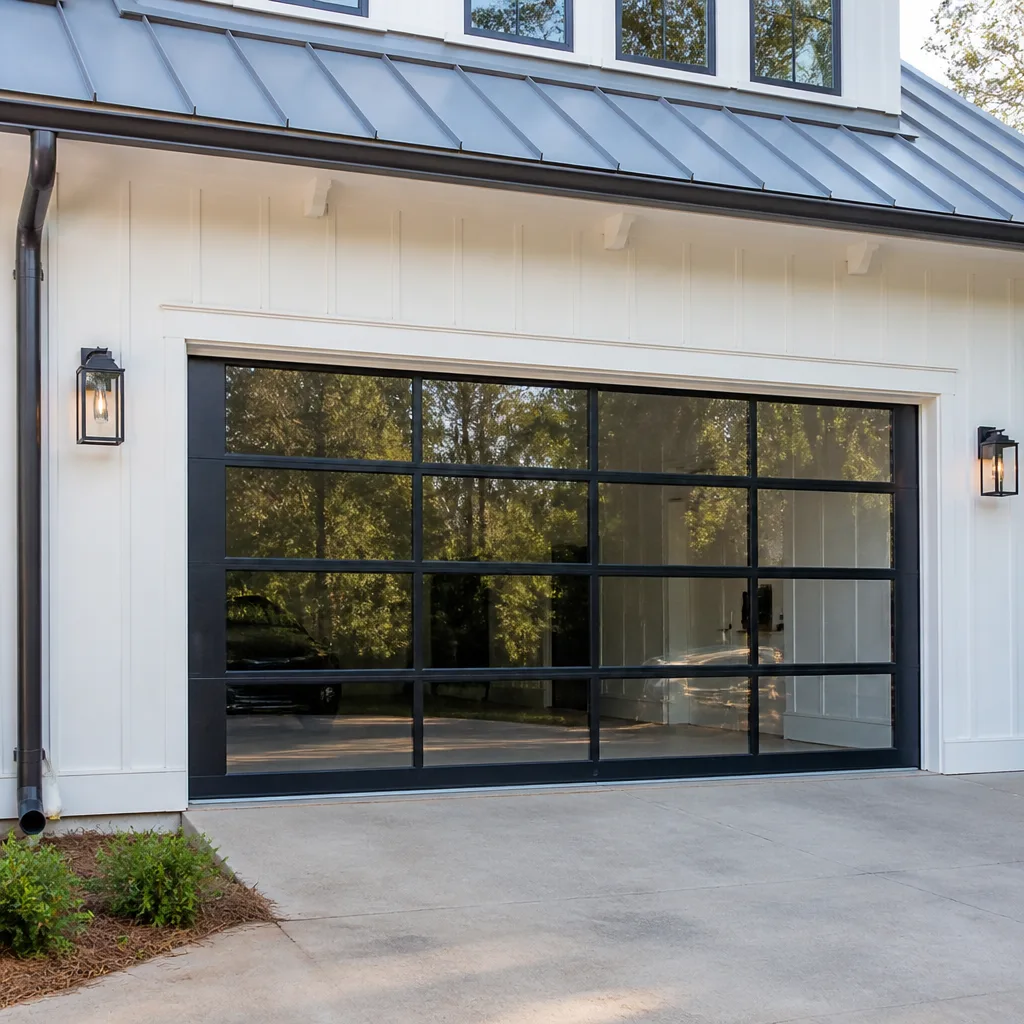 Full-view glass
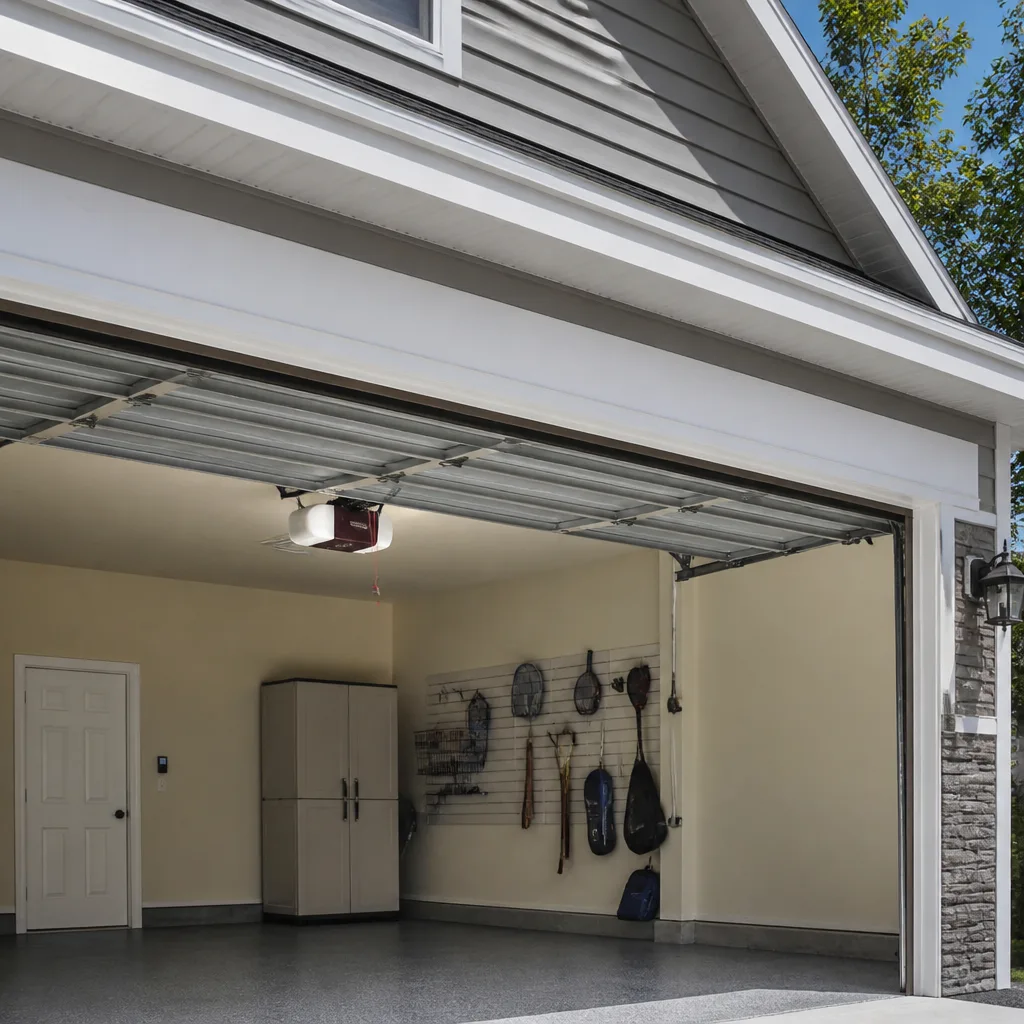 LiftMaster openers
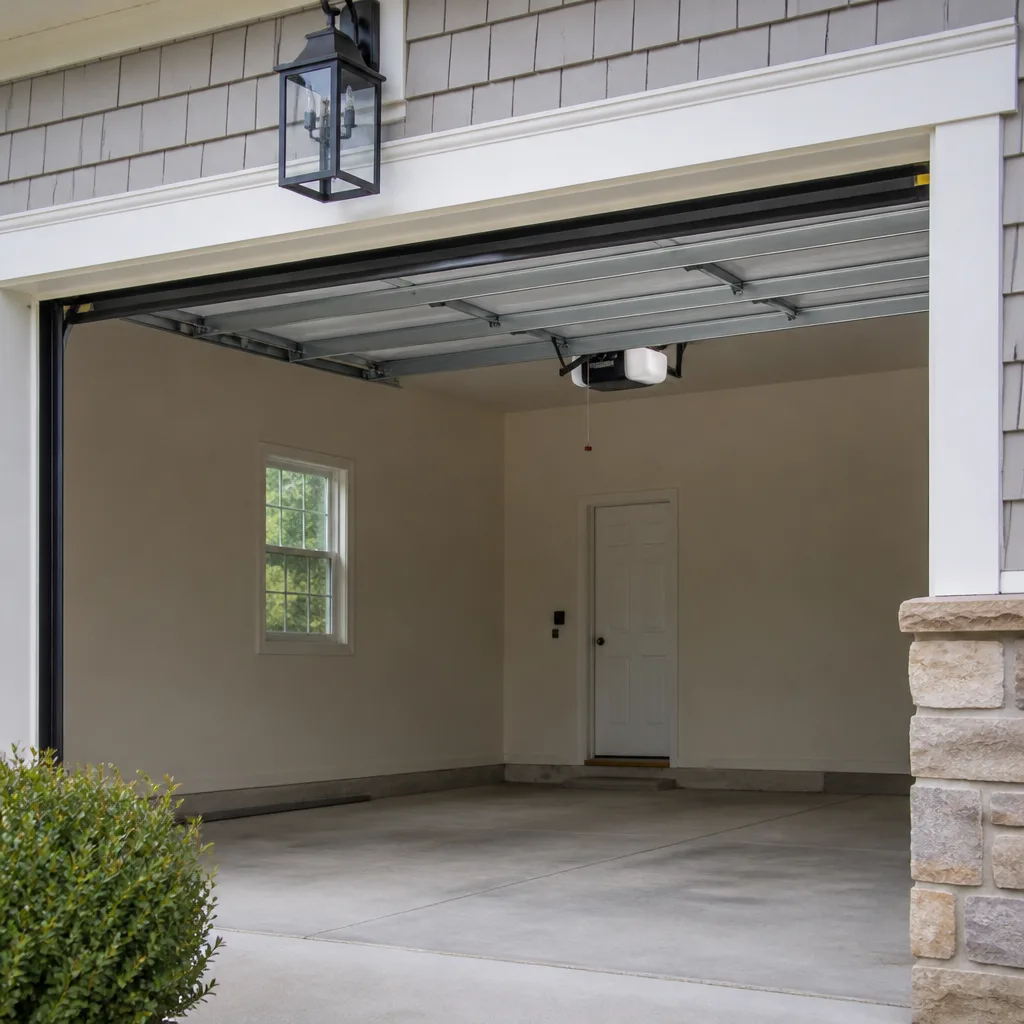 Chamberlain openers
Full 25-point door and opener safety check with every visit - springs, cables, rollers, tracks, and your LiftMaster or Chamberlain opener included
You get a price before we start. It does not change when the pro arrives.
Get your free estimateGarage Door Permits, Codes & Inspections in Brookland, DC: What You Need to Know
Most homeowners in Brookland assume two opposite things about garage door permits, and both are wrong. Some assume every garage door job needs a permit, so they overpay for filings they never needed. Others assume no garage door work is ever permitted, so they skip a filing that matters later. The line between the two isn’t obvious, and it’s not about the door itself as often as you’d think. In this guide we draw that line for Brookland: when a permit is required, when a straight replacement needs no filing, how historic district rules shape your door choice, and when a new opener quietly turns into an electrical permit question. You’ll also learn how to check that the contractor you hire pulls the right permits.
Quick Answer
In DC, a like-for-like garage door replacement generally does not require a building permit, but structural changes, enlarging or moving the opening, and new electrical work for an opener can each trigger a separate filing with DCRA. Historic district overlays in and around Brookland can add design review on top of that. When in doubt, the DC Department of Buildings (formerly DCRA) is the authority that answers your specific address, not a website, including ours.
Styles & brands we work with
- Raised-panel steel
- Carriage house
- Modern flush
- Full-view glass
- LiftMaster openers
- Chamberlain openers
Table of Contents
- When does DC require a permit for garage door work?
- What “like-for-like replacement” means under DC code
- The electrical permit question: openers and your panel
- Historic district overlays and ANC review in Brookland
- What an inspection actually looks like
- How to verify your contractor is pulling the right permits
- How Brookland’s climate shapes door and opener choices
- Common mistakes to avoid
When does DC require a permit for garage door work?
DC requires a building permit when garage door work changes the structure or the building envelope, and generally does not require one when you’re swapping a door for one of the same size and type in the same opening. That’s the short version. The longer version matters, because the exceptions are where homeowners get caught out.
Work that typically needs a permit in Brookland and across DC:
- Enlarging or narrowing the door opening, or moving it laterally in the wall
- Changing the header, framing, or structural support above the opening
- Converting a garage to habitable space, or reversing that conversion
- Changing the door type in a way that alters the wall assembly (for example, a swing-out door to a roll-up)
- Adding a new electrical circuit for an opener where none existed
- Any work in a historic district that changes the visible exterior
Work that usually doesn’t need a building permit:
- Replacing one sectional door with another of the same width, height, and material family
- Replacing springs, cables, rollers, hinges, or tracks without structural change
- Replacing an existing opener with a new one on the same circuit
- Replacing panels or sections with manufacturer-matched parts
DC’s permitting landscape has shifted in recent years, and the Department of Buildings now handles much of what DCRA used to manage. It’s worth calling the Department of Buildings directly with your address before any job of size, because zoning overlays and historic designations can change the answer from street to street. We’ve seen that happen in Brookland more than once, where two houses on the same block end up needing different filings. That’s not a mistake at the agency; it’s how the districts are drawn.
One practical note: the person who answers the phone at the Department of Buildings can tell you what’s required for your address, but they can’t tell you what your contractor should be doing. That’s on you to ask about, and it’s easier than it sounds once you know what to ask.
What “like-for-like replacement” means under DC code
“Like-for-like replacement” means the new door matches the old one in size, opening type, and general material class, so the structural loads on the opening don’t change. When a replacement meets that test, DC generally treats it as maintenance rather than construction, and no building permit is needed. The edges of that definition are where homeowners get surprised.
Here’s how the edges catch people:
- Size drift. A new door that’s two inches taller because the old one wasn’t standard can fail the like-for-like test. The opening is being changed, even if it’s a small change.
- Material swap. Going from a steel door to a solid wood door can change the weight and the spring load. Some jurisdictions consider that structural; DC treats it case by case.
- Window configuration. Adding windows to a previously blank door is usually fine, but if the appearance change is visible from the street in a historic district, design review can apply.
- Opener changes. Swapping the door doesn’t necessarily require a permit, but adding an opener where there wasn’t one does trigger the electrical question, covered below.
- Track and spring changes. Replacing springs, tracks, or cables on the existing door is repair, not replacement, and is treated as maintenance.
In our experience across Brookland, the most common failure of the like-for-like test is a homeowner choosing a door type that looks the same but weighs differently. Steel is lighter than wood, and insulated doors weigh more than uninsulated ones of the same size. None of that is a reason to avoid the door you want; it’s a reason to ask your installer how the change affects the springs, the tracks, and the wall loads, and whether it crosses the line into a permit.
If the answer is “no permit,” that’s fine. If the answer is “maybe,” that’s a call to the Department of Buildings, not to a friend who’s done a few door swaps. The filing cost is modest compared to the cost of discovering a problem at resale. For more on how these jobs are scoped and priced, see our guide to Garage Door Repair Brookland.
The electrical permit question: openers and your panel
A new garage door opener triggers a separate electrical permit when it requires a new circuit, a new outlet, or any change to your electrical panel. If your opener is a direct replacement on an existing circuit and the existing outlet is in good condition, the electrical work is generally considered a swap, and no separate electrical filing is required. The line is drawn at whether the circuit or panel changes, not at whether the opener is new.
Here’s what pushes an opener installation into electrical permit territory:
- A new dedicated circuit run from the panel to the garage, where none existed before
- Adding a new outlet or hardwired connection for the opener on a circuit that wasn’t originally sized for it
- Any work inside the panel itself, including a new breaker
- Upgrading the service or replacing the panel as part of the project
What usually doesn’t trigger an electrical permit:
- Replacing an old opener with a new one on the same wiring and same circuit
- Adding a battery-backup unit that doesn’t require new wiring
- Swapping a wall control or a remote, which involves no electrical wiring changes
- Replacing a frayed cord or a failing outlet with another of the same load
Why does this matter in Brookland specifically? Because a lot of the older homes around here have garages that were wired for a single light and an outlet at some point decades ago, and opening a panel to add a circuit is a bigger deal than it sounds. In DC, panel and circuit work is squarely electrician territory and the filing follows the electrician, not the garage door installer. We work on openers from LiftMaster and Chamberlain regularly, and on most of those jobs the electrical infrastructure is already in place. When it isn’t, we tell you plainly that an electrician needs to do that piece, because that’s the right call for your safety and your paperwork.
If your panel is old, undersized, or full, the electrical permit may be a symptom of a larger issue. Ask before you buy the opener, not after. And never open a panel yourself to check. Panel work is genuinely dangerous.
Historic district overlays and ANC review in Brookland
Parts of Brookland sit inside or adjacent to historic districts, and that changes the calculus for exterior door work. In a historic district, even a like-for-like replacement that would normally skip the building permit may still need design review at the neighborhood or city level, because the visible appearance of the door is part of what the district is protecting. This isn’t a Brookland-specific quirk; it’s how the overlay rules work across DC. But Brookland’s mix of historic blocks and non-historic blocks means the answer can change block to block, and that’s what trips people up.
What historic designation can affect:
- Door style. A carriage-house look on a street of simple flush doors may need review; a modern panel door may too. The standard is compatibility, not a single approved style.
- Material. Wood doors in a district where wood is the norm are easier to approve than steel or aluminum if the district has material guidance.
- Color. Some districts review color changes; others don’t. Ask before you order.
- Window patterns. Glass panels that change the façade read differently than solid panels, even when the door is the same color.
- ANC involvement. Advisory Neighborhood Commissions often weigh in on visible exterior changes in their areas. That review can add weeks to a project, so it needs to be built into the schedule.
If you’re in a historic overlay in Brookland, the sequence that saves time is this:
- Confirm with the Department of Buildings whether your address is in a historic district or a design review zone.
- Ask your contractor for the door and material choices they’d propose for that district.
- Submit for review before ordering the door, not after. Doors aren’t easily returned.
- Build the review timeline into your project schedule, and don’t assume the same timeline for a non-historic block nearby.
We’ve worked through this on doors from Clopay and Raynor, where the right door was clearly the right door but the paperwork needed to catch up before delivery. That’s a normal part of doing work in Brookland, and it’s not a reason to choose a different door. It is a reason to ask about district status early.
What an inspection actually looks like
An inspection is a scheduled visit by a DC code official to verify that permitted work was done to code. It’s not a surprise, it’s not adversarial, and it’s not the same thing as a home inspection. For garage door work, the inspection focus is usually on structural work and electrical work, not on the door itself.
What the inspector typically checks after garage door work:
- Structural work. If the opening was framed, the header changed, or the wall modified, the inspector checks that the work matches the permitted plans and the framing is sound.
- Electrical work. If a new circuit or outlet was installed for an opener, the inspector verifies the wiring, the connection, and the panel work if the panel changed.
- Safety features. If new opener wiring was part of the permit, the inspector generally confirms the photo-eye safety sensors are functioning.
- Headroom and clearance. If the permit included any structural change, clearance above the door and around the tracks is part of the review.
- Final sign-off. When the inspection passes, the permit closes. That closure is your record that the work was done to code, and it’s what a future buyer’s title search will show.
What an inspector generally doesn’t do: check spring tension, evaluate your opener’s brand, or advise on door style. Those are the things your garage door technician handles, and the two are separate. If your job involves opener work only and no structural change, and the existing wiring stays in place, there’s typically no inspection, because there’s no permit to inspect. That’s the cleanest possible outcome, and it’s common.
If your job involves structural work in Brookland, the inspection timeline is one of the reasons to plan ahead. Inspections aren’t same-day regardless of who your installer is, and a project stalled on an inspection is more expensive than a project planned around one. If you’re mid-project and unsure what’s been filed, our team can talk you through what the typical sequence looks like for your scope. The garage door installation process we run includes the filing question from the first conversation, not after the order.
How to verify your contractor is pulling the right permits
You verify a contractor’s permits by checking the public permit record for your address before work starts, and by requiring the permit number in writing on your contract. If your contractor can’t or won’t give you a permit number for work that requires one, that’s a stop sign, not a misunderstanding.
A short checklist you can run in fifteen minutes:
- Ask for the permit number in writing. The number should appear on your contract or your written estimate, and it should reference your address.
- Search the DC permit records online. The Department of Buildings maintains an online permit search. Look up your address and confirm the permit exists, matches your scope of work, and is listed in the contractor’s name.
- Confirm the contractor’s name on the permit. A permit pulled by a different company than the one doing the work is a red flag; either the paperwork doesn’t match the job, or the company is operating under another’s license.
- Check for the electrical permit separately. If a new circuit is part of the job, look for an electrical permit, not just a building permit. They’re separate filings and separate inspections.
- Keep paper copies. Save the permit, the inspection reports, and the final sign-off. You’ll want them at resale.
- Never start work on a handshake. If the permit is coming later, work shouldn’t start earlier. Words like “we’ll pull the permit Tuesday” should be your cue to wait.
What it costs you if a contractor doesn’t pull the permits they should: the filing cost, the inspection process, and the correction work fall to whoever owns the problem, which after the job is you. That’s the real risk, and it’s not a scare tactic. It’s how the record works. Homebuyers search permit history, and a garage door system that’s not on file where it should be is a conversation at closing, not a conversation at installation.
The reverse is also a cost: paying for permits on a job that doesn’t need them. That happens when a contractor does mostly construction work and applies construction permitting rules to a door swap. A garage door specialist knows the difference, and doesn’t file paperwork that the Department of Buildings doesn’t require. That’s one reason we recommend a specialist for this scope. For a full scope review, see garage door repair.
How Brookland’s climate shapes door and opener choices
Brookland’s climate stresses a garage door with four seasons of expansion and contraction, humid summers, and occasional freezes. That’s the real driver behind most door and opener choices here, more than aesthetics. A door that’s undersized for the wind load, a spring set that’s rated for a lighter door, or an opener that’s been installed without regard to temperature swings will all show their problems faster in this climate than in a milder one.
What that means in practice:
- Insulation matters more than looks. An insulated door handles the summer-to-winter swing better than an uninsulated one of the same size, and it’s warmer on the garage side.
- Spring sizing is not a detail. The springs must be matched to the actual door weight. If your door was replaced with a heavier or lighter one and the springs weren’t resized, the springs are wrong, and that’s a safety problem, not a comfort problem.
- Seals and weather stripping age quickly. A gap at the bottom or sides lets in moisture, and moisture is what accelerates rust on tracks and hardware.
- Opener reliability tracks with the torque of the door. An opener that’s undersized for the door works harder, and hard work shortens its life. A lift-rated opener from Chamberlain or LiftMaster sized for the door weight lasts longer than a bigger opener on a badly balanced door.
The most important thing to understand about springs and cables: they are under high tension and can cause serious injury if handled incorrectly. Spring repair is not a homeowner job, no matter how many videos you’ve watched. If your door isn’t balanced (try lifting it halfway by hand once it’s disconnected and safely supported, and see if it stays), the springs are the likely culprit, and that’s a call for a trained technician. Our spring repair is a named specialty for exactly this reason. The garage door opener repair work we do also starts with an evaluation of whether the opener is the problem or the door is.
Common Mistakes to Avoid
- Assuming every door swap needs a permit. In DC, a true like-for-like replacement generally doesn’t. Filing unnecessarily adds time and cost to a job that could have been a one-day install.
- Not checking historic district status before ordering. In Brookland, a door on one block may need design review while a door three doors down doesn’t. Ordering before you ask is how you end up with a door you can’t install.
- Missing the electrical permit on an opener install. Adding a new circuit or outlet for an opener is a separate filing, and it’s a real one. A building permit alone doesn’t cover the electrical work.
- Hiring a general contractor for a door-only scope. A generalist is more likely to misfile at either end, over-permitting a swap or under-permitting electrical work. A garage door specialist handles the scope daily.
- Not checking the contractor’s name on the permit. The permit should name the contractor doing the work. A mismatch is worth a phone call before the job starts.
- Replacing a door without resizing the springs. This is the most common cause of premature spring failure and the one that’s genuinely dangerous. The springs must match the new door weight, not the old door weight.
- Throwing away the paperwork. Permit documents matter at resale. Keep the permit, the inspection reports, and the final sign-off together with your home records.
See the difference
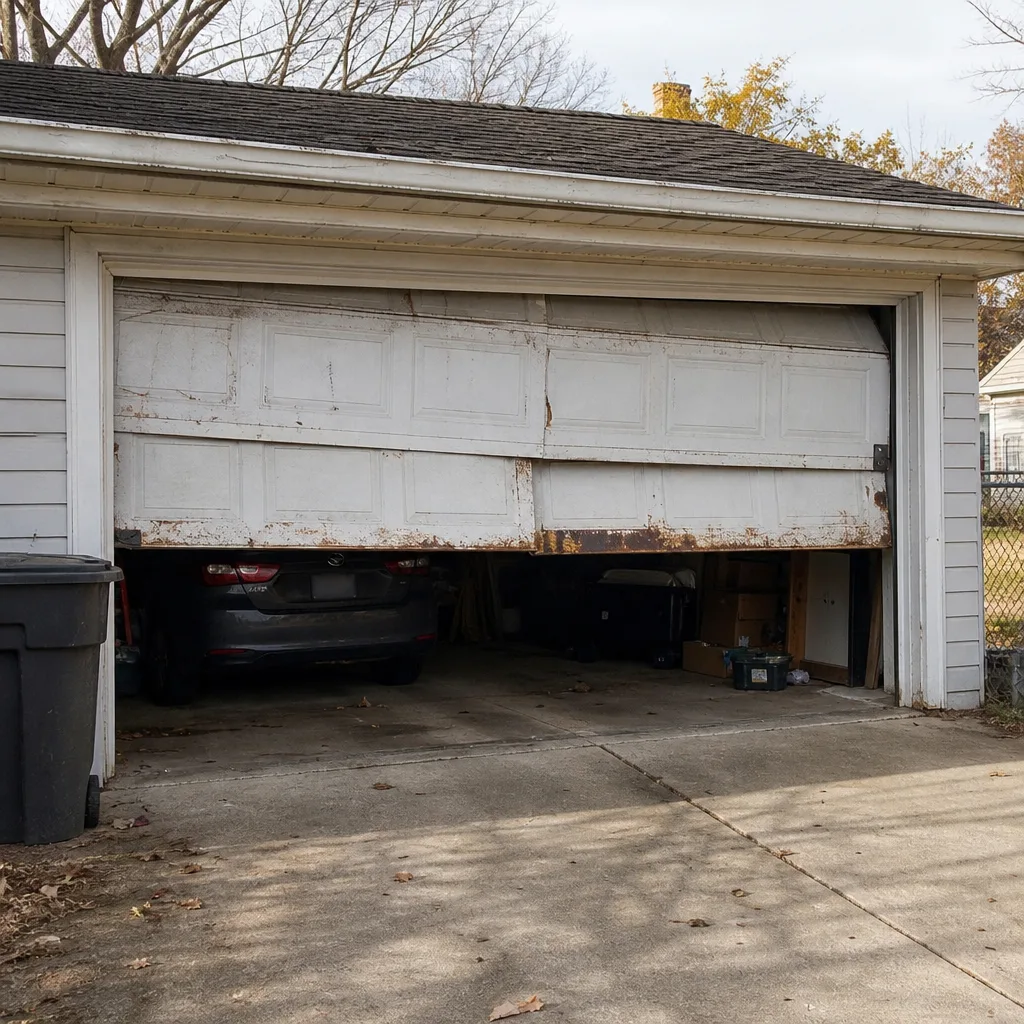 Before
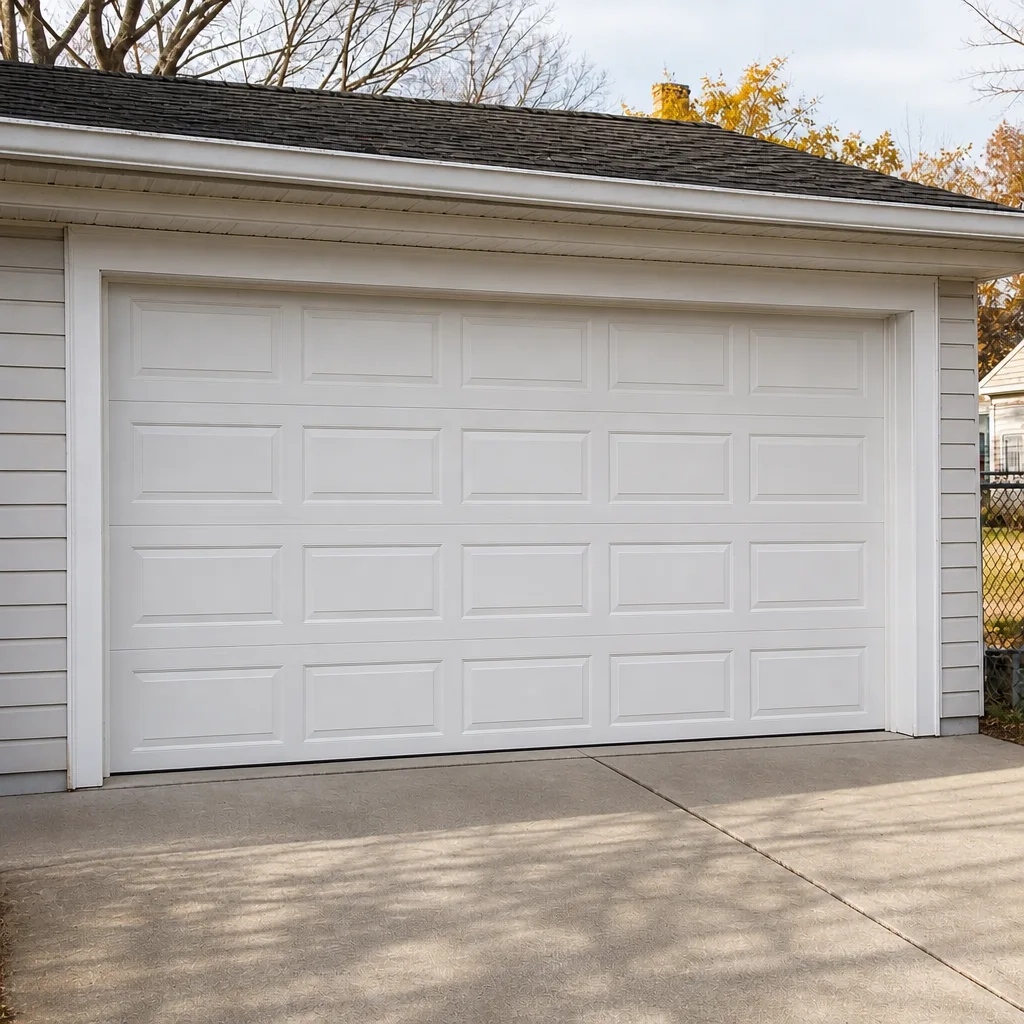 After
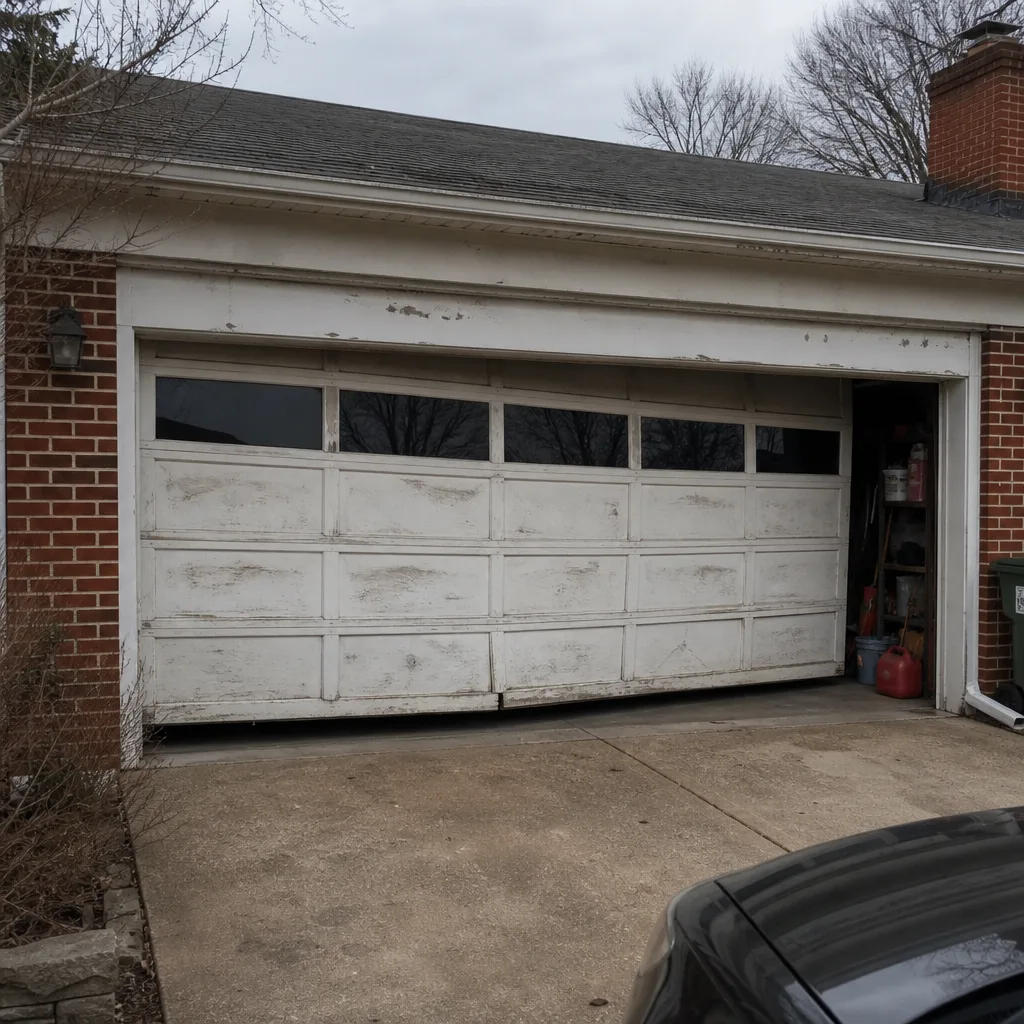 Before
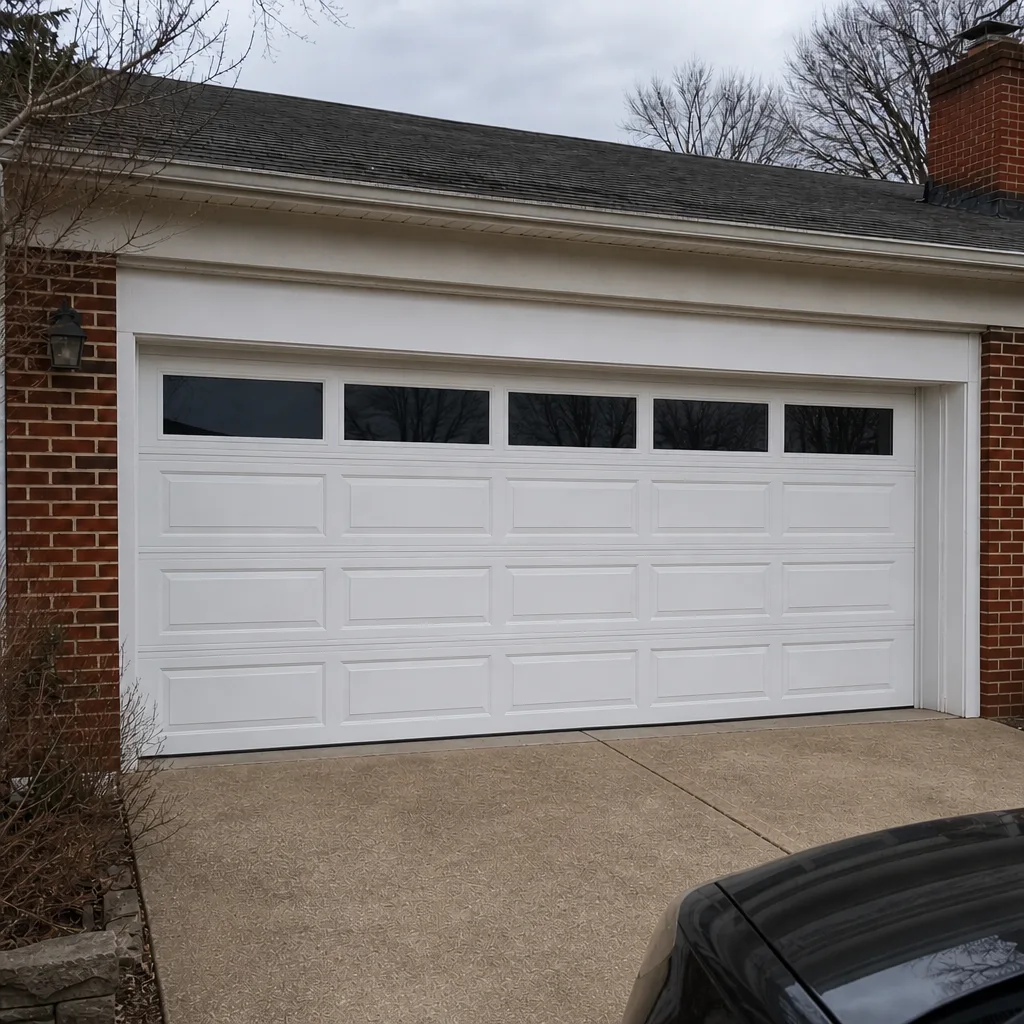 After
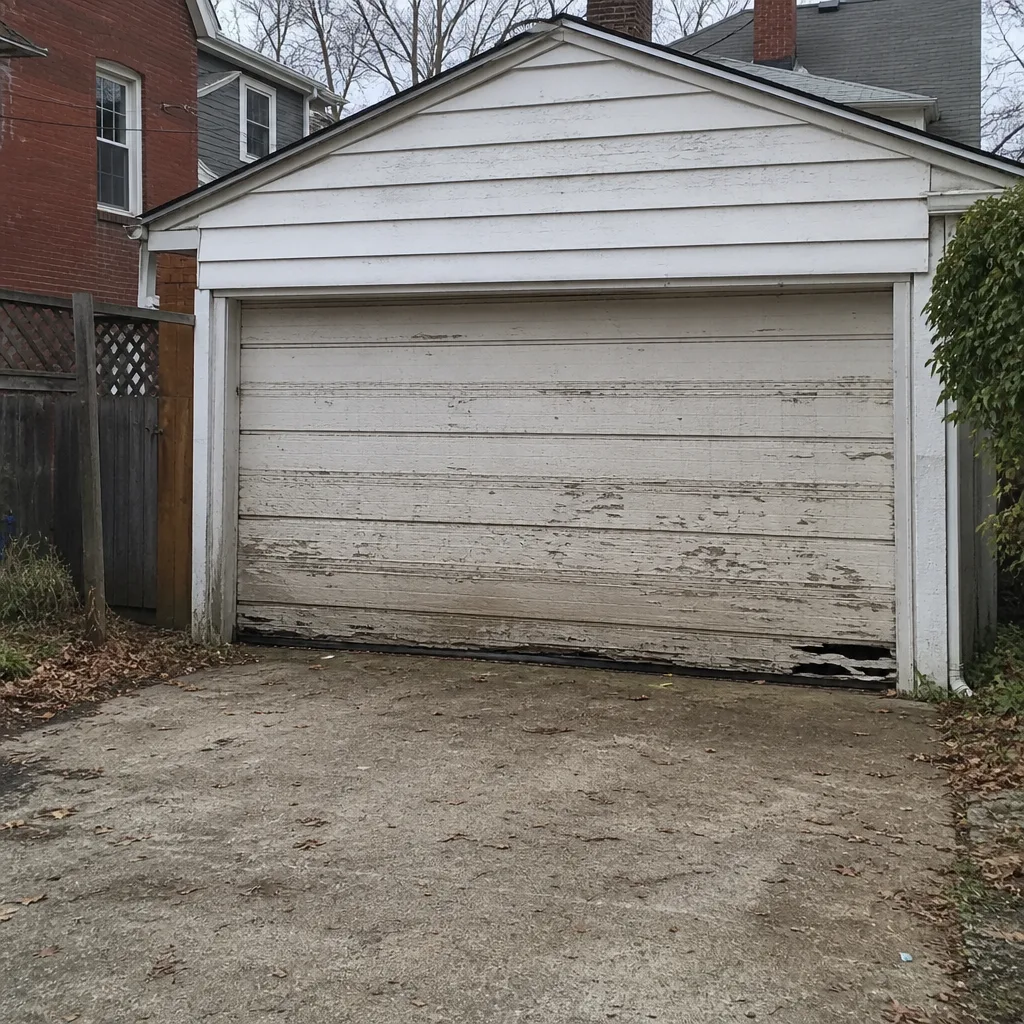 Before
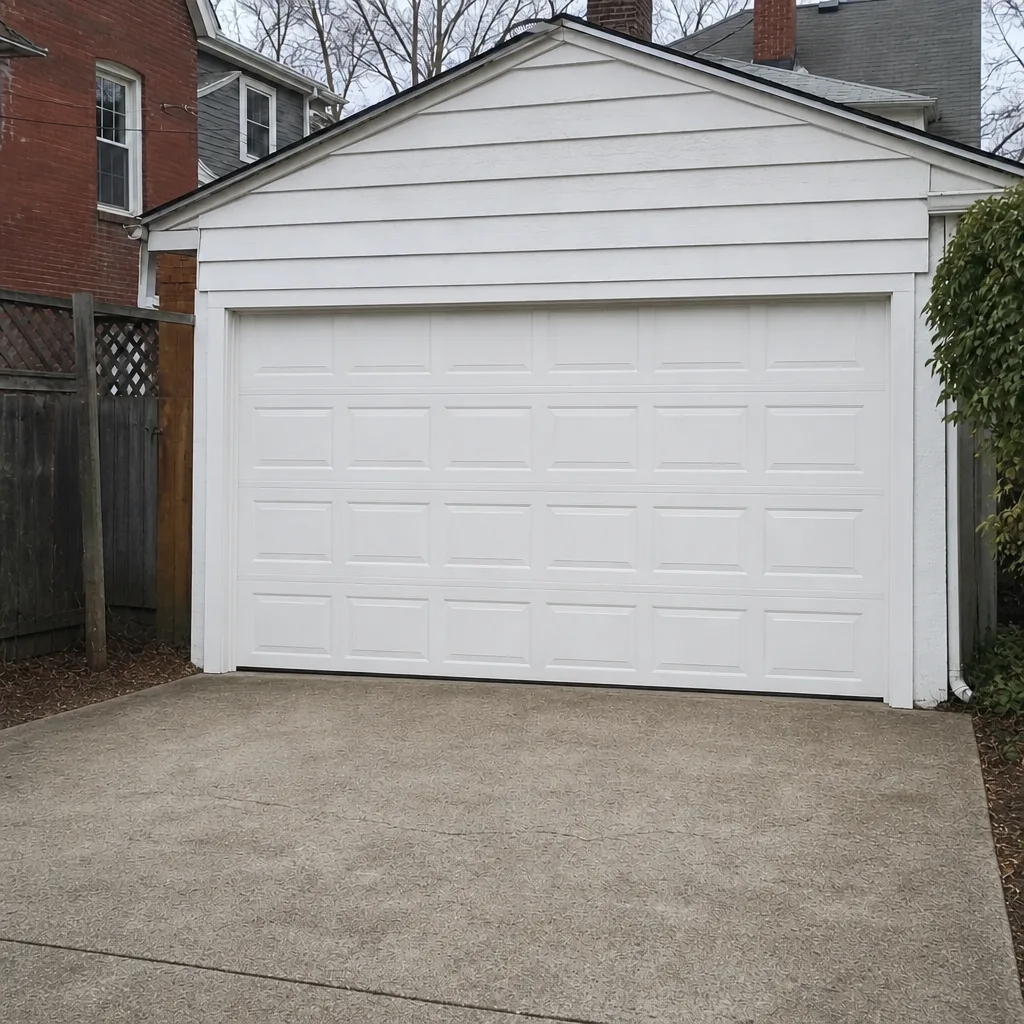 After
When to Call a Professional
Call a professional when the door springs are involved, when the opener has electrical problems beyond a new battery, or when the door is off its tracks. Call when you’re planning a new installation and you don’t know whether a permit is required, because getting this wrong is easier than it looks. Call when you’re in a historic overlay and you’re not sure which doors are approvable, and when you’re not sure whether your contractor is pulling permits with your address and their name on them. Call when the garage door is your only way in and out and it’s broken. Garage Door Repair Brookland offers free estimates in Brookland. Call (888) 655-9410. We answer 24/7. Fast dispatch from 7am to 7pm, Sunday through Friday. Our technicians have up to 11 years of experience, and we work on your brand, from LiftMaster to Chamberlain to Craftsman to Raynor. Same-day repair is available for urgent issues.
Frequently Asked Questions
In DC, a like-for-like replacement of a garage door generally does not require a building permit, but structural changes, size changes, material changes that affect the wall assembly, and new electrical work for an opener can each trigger a filing. Historic district status in parts of Brookland can add design review even for a replacement, so confirm with the Department of Buildings for your address before ordering. Call (888) 655-9410 for an exact quote on your replacement, because estimates are free.
A garage door opener needs an electrical permit when the installation requires a new circuit, a new outlet, or any work inside the electrical panel. Replacing an open opener with a new one on the same circuit generally doesn’t need one. If your panel is old or full, the electrical work needs to happen before the opener goes in. Call (888) 655-9410 and we’ll walk you through what your install is likely to need.
Like-for-like means the new door matches the old door in size, opening type, and general material class, so the loads on the wall framing don’t change. Small size differences, heavier material swaps, and visible exterior changes in a historic district can push a job out of like-for-like territory. If you’re not sure, ask the Department of Buildings. Call (888) 655-9410 and we’ll help you figure out whether your replacement is simple or needs a permit.
No. The written estimate we give you before any work starts is the price, and we won’t revise it after the job begins. If we find a problem that changes the scope, we tell you before we do the work, and the revised price is agreed in writing before we touch the door. Call (888) 655-9410. Estimates are free.
The local professionals we connect you with are licensed and insured as their state requires, and we ask the ones we work with to carry the coverage that matches the scope of the job. We don’t quote license numbers or policy numbers over the phone because we’d rather show you the documentation. Call (888) 655-9410 with your address and we’ll tell you what the job needs.
Yes, same-day repair is available for urgent door problems, including doors off their tracks, broken springs, and dead openers. If it’s outside the dispatch window, we book into the next opening, Sunday through Friday, 7am to 7pm. Call (888) 655-9410. We answer 24/7. Fast dispatch from 7am to 7pm, Sunday through Friday.
Stop using the door and don’t try to fix it yourself, particularly if a spring or cable is involved, since those parts are under high tension and can cause serious injury. Call us and we’ll advise you on what to do while you wait for a technician. Call (888) 655-9410. We answer 24/7, with fast dispatch from 7am to 7pm, Sunday through Friday.
The Bottom Line
The permit line for garage door work in Brookland runs through three things: whether the structure or opening changes, whether the electrical system changes, and whether you’re in a historic overlay. Get those three right, and the paperwork stops being a worry. Get them wrong, and a straightforward replacement can turn into a problem at resale. Our guidance, in one line: verify your address with the Department of Buildings, put the permit number on your contract when one applies, and let a garage door specialist handle the door side. Springs, openers, panels, and full replacements are all we do. Call (888) 655-9410 for a free estimate.
Written by the team at Garage Door Repair Brookland.