
Last updated November 21, 2026
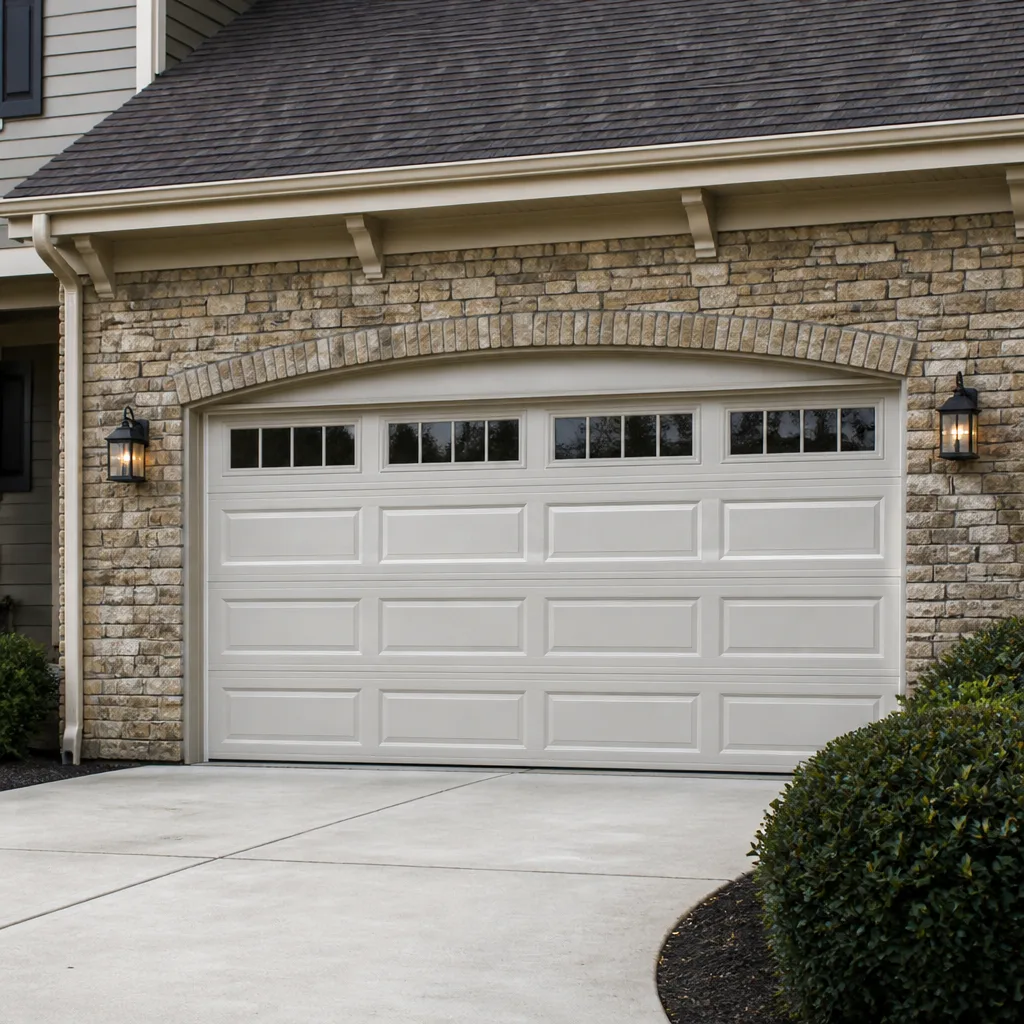 Raised-panel steel
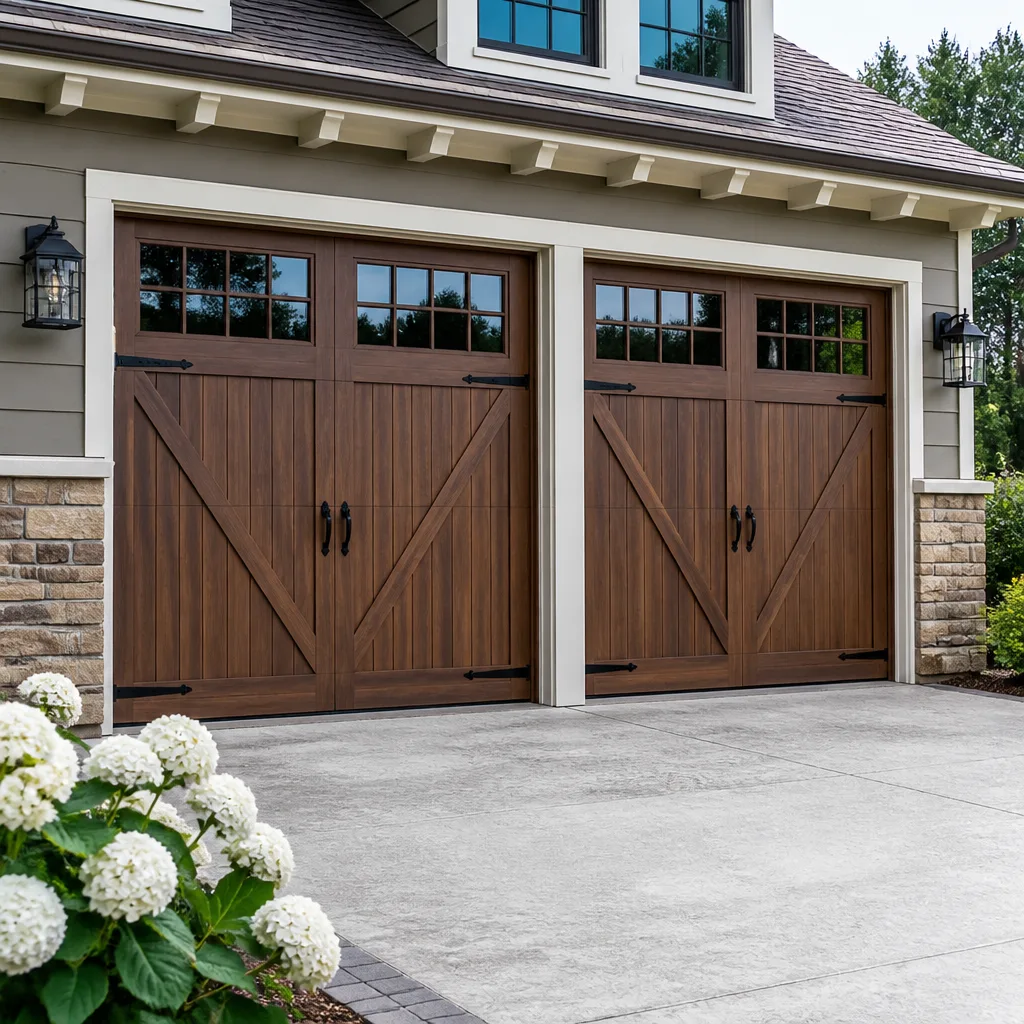 Carriage house
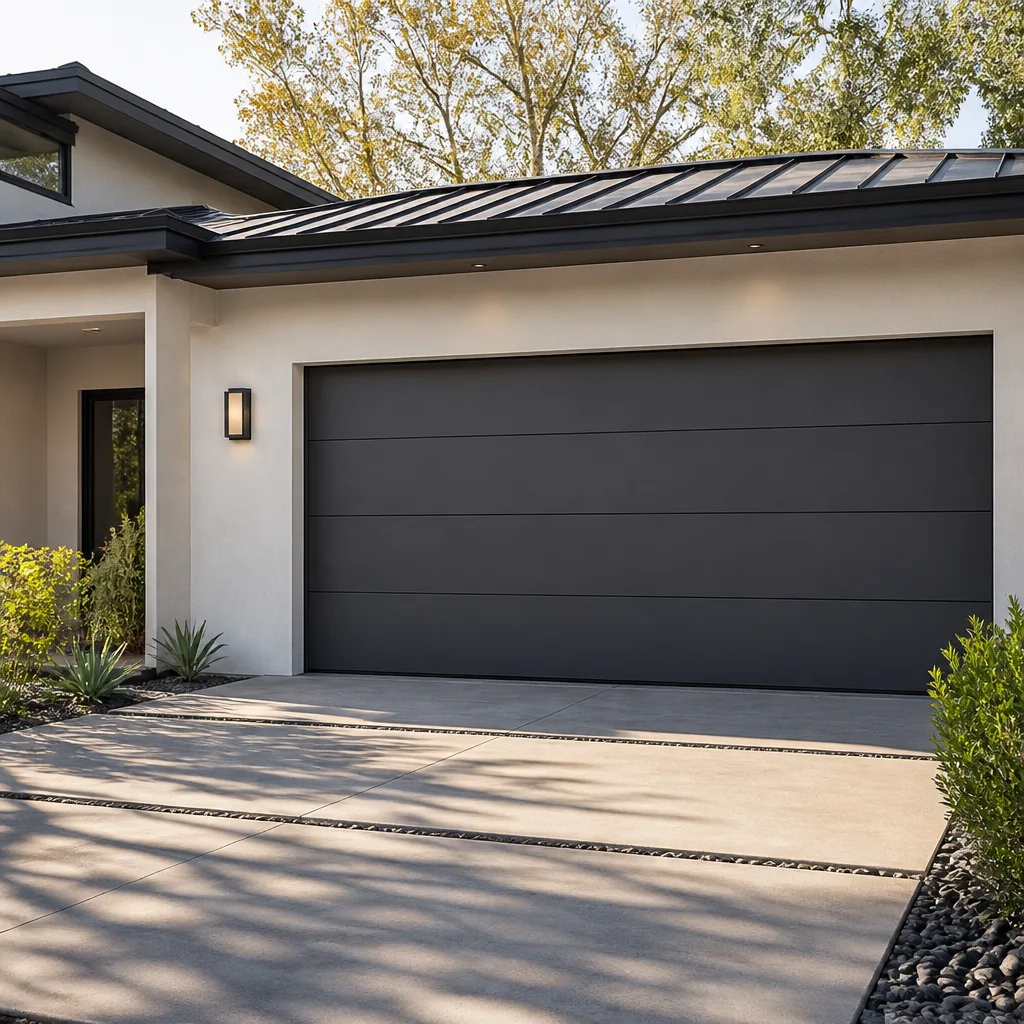 Modern flush
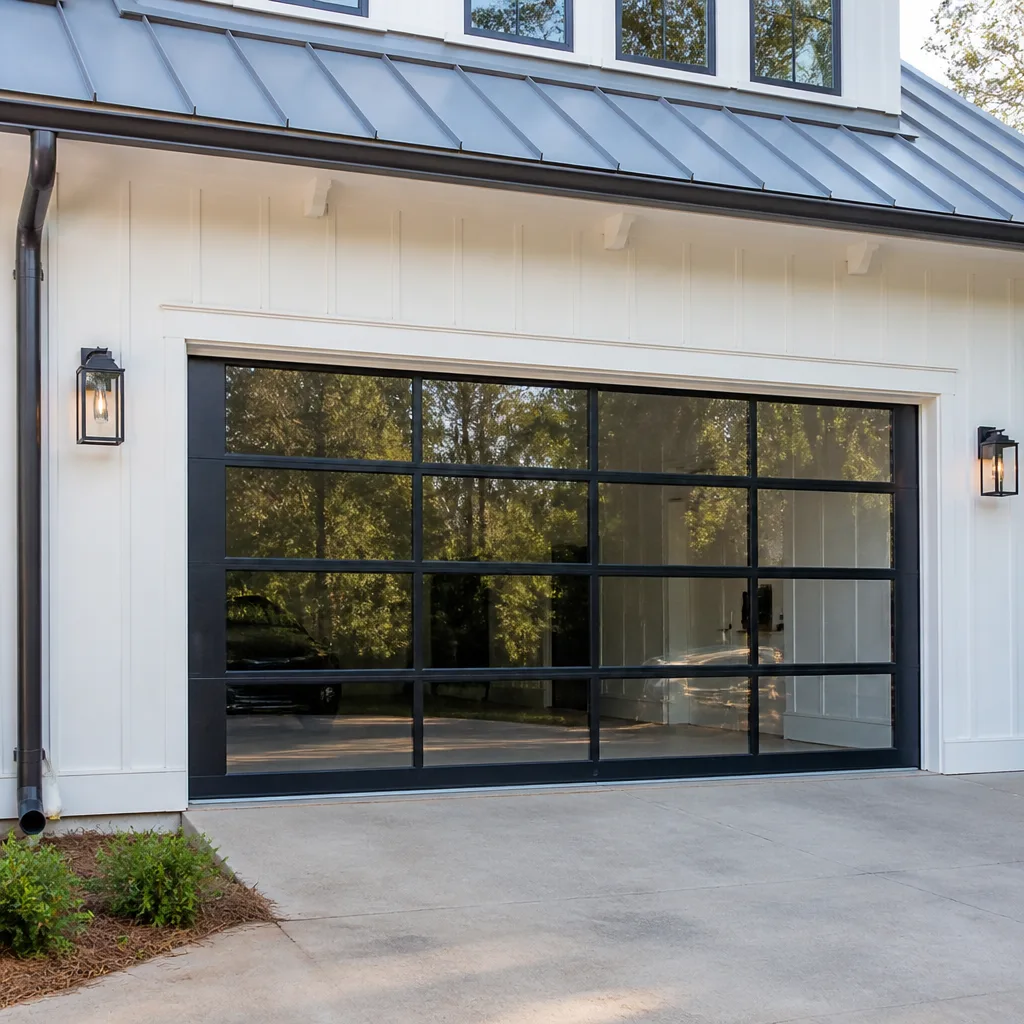 Full-view glass
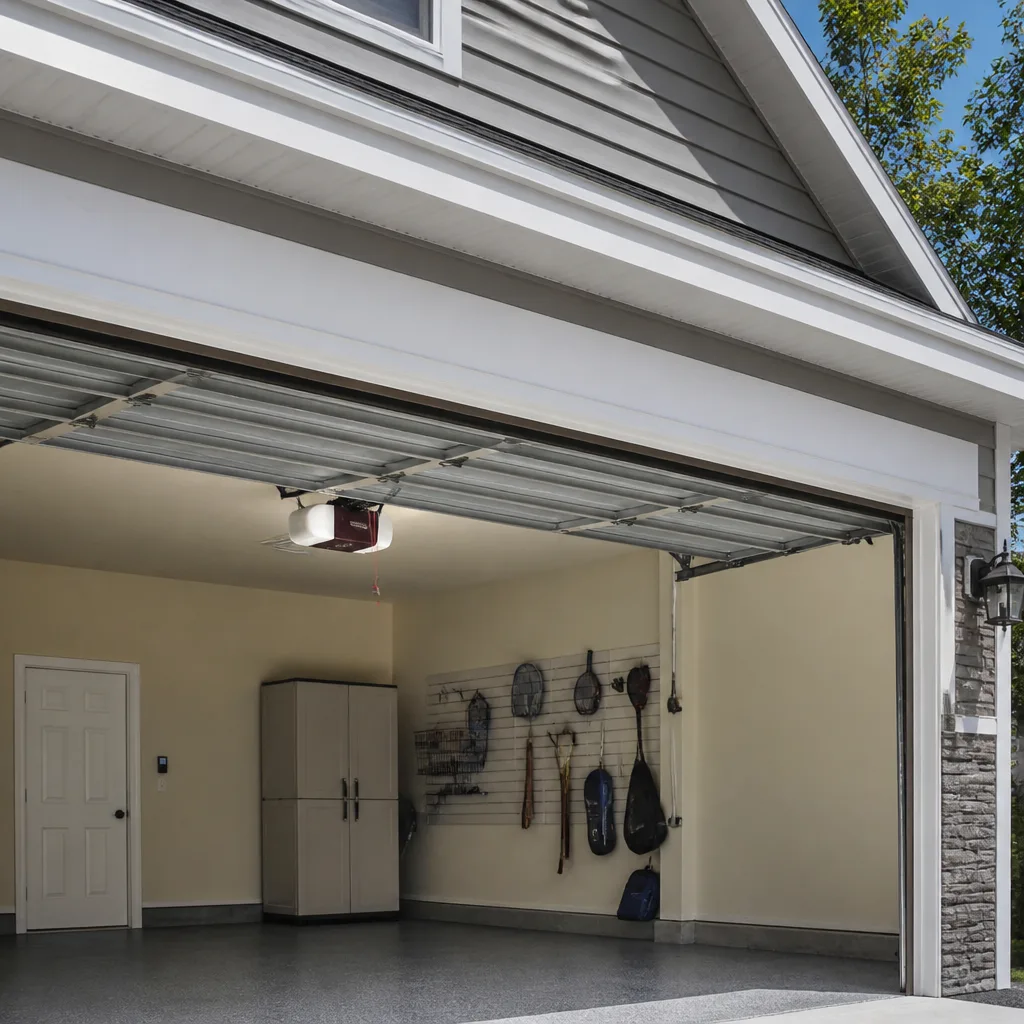 LiftMaster openers
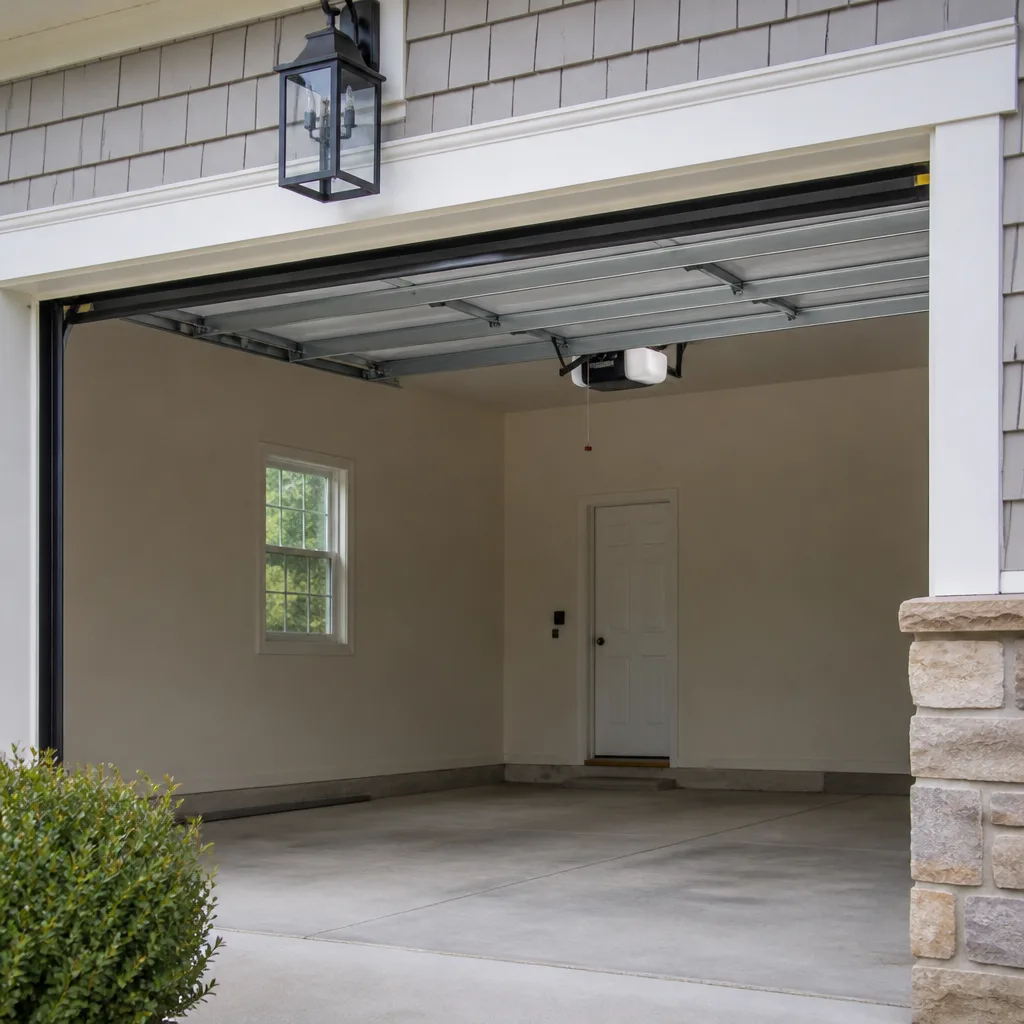 Chamberlain openers
Full 25-point door and opener safety check with every visit - springs, cables, rollers, tracks, and your LiftMaster or Chamberlain opener included
You get a price before we start. It does not change when the pro arrives.
Get your free estimateSeasonal Garage Door Care for Brookland: Year-Round Homeowner’s Guide
Most garage door failures in Brookland don’t happen in a January cold snap or a July heat wave. They happen in the week the weather turns. The first genuinely cold morning in October, the first muggy stretch in April, the afternoon in March when temperatures swing forty degrees between sunrise and dinner. That transition is when tired springs, dried-out seals and slightly out-of-line tracks give up. This guide maps garage door care to the weather Brookland actually gets, season by season, so you’re checking the right parts at the right moment instead of following an arbitrary calendar. By the end you’ll know what a 30-minute walkthrough looks like, what to leave to a technician, and when to call.
Quick Answer
Seasonal garage door care in Brookland means matching maintenance to real weather patterns rather than the calendar: fall for seals and track alignment ahead of wet leaves and freeze-thaw, winter for spring tension awareness during hard freezes, spring for reversing humidity swelling in wood and composite doors, and summer for heat expansion and thunderstorm-driven weatherstripping wear. A focused 30-minute inspection at each seasonal shift prevents most of the annual service calls we see. Anything involving springs, cables or opener wiring belongs to a trained technician, not a weekend project.
Styles & brands we work with
- Raised-panel steel
- Carriage house
- Modern flush
- Full-view glass
- LiftMaster openers
- Chamberlain openers
Table of Contents
- Why Brookland’s Shoulder Seasons Break More Doors Than Winter or Summer
- Fall Prep: Wet Leaves, Freeze-Thaw and the Bottom Seal
- Winter: Why Torsion Springs Snap in the First Hard Freeze
- Spring: Reversing Humidity Swelling Before It Becomes Binding
- Summer: Heat Expansion and Thunderstorm Season
- The 30-Minute Seasonal Walkthrough
- What Brand You Own and Why It Matters for Parts
- Repair or Replace? A Seasonal Decision Guide
Why Brookland’s Shoulder Seasons Break More Doors Than Winter or Summer
The week a cold snap hits in October and the first humid stretch in April are when most garage door failures happen in Brookland. Not deep winter. Not high summer. The transition. There’s a mechanical reason for that, and once you understand it, the whole maintenance calendar makes more sense.
Garage door hardware is built to operate within a temperature band. Springs, seals, hinges and track all expand and contract at different rates. A steel door and its aluminum track move at one rate; rubber weatherstripping and wooden panels move at another. During stable weather those materials settle into a working relationship. When the temperature lurches ten or twenty degrees over a couple of days, they don’t move together anymore. Seals that were snug in September pull away from the frame. Tracks that were aligned in mild air shift a fraction. Torsion springs that were carrying normal load suddenly carry more.
Brookland sits in a part of DC where these swings are pronounced. The neighborhood’s mix of detached houses, rowhouses and converted carriage homes means a lot of older wooden and composite doors still in daily use, alongside newer steel doors on renovation projects. Both types react to shoulder-season swings, just differently.
Here’s what that means practically:
- October cold snap: bottom seals that sat fine all summer can crack or pull loose as rubber stiffens. Tracks can shift as the slab and frame cool at different rates.
- April humidity spike: wood and composite panels absorb moisture and swell. A door that cleared its frame in March can start binding by mid-April.
- March and November temperature swings: the biggest single-day spreads of the year, and the most common window for opener strain and spring fatigue.
The fix isn’t more maintenance. It’s better-timed maintenance. If you check the door the week before each seasonal shift, you catch the small adjustments before they turn into a repair. If you wait until something breaks, you’re reacting to a problem that was visible weeks earlier.
Fall Prep: Wet Leaves, Freeze-Thaw and the Bottom Seal
Fall in Brookland brings two things that quietly damage garage doors: wet leaves and the freeze-thaw cycle. Together they attack the bottom seal and the track alignment, and both problems are easy to miss until the door stops closing flush.
Wet leaves gather against the bottom of the door and hold moisture there for days. That moisture works into the bottom seal, softens the rubber, and in older doors works into the bottom panel itself. Then the first overnight freeze arrives, expands whatever water is trapped, and by morning the seal has cracked or pulled away from its retainer. A door that was weather-tight in September can be letting cold air and water in by Thanksgiving.
Freeze-thaw is the second issue. Water collects in the track channel, freezes overnight, and expands. That expansion pushes the track slightly out of alignment. It’s a small change, often less than an eighth of an inch, but it’s enough to make the door drag on one side or trigger the opener’s safety reverse. Repeat that cycle a few times over a Brookland winter and the misalignment becomes permanent.
Fall prep is mostly about checking, cleaning and adjusting:
- Clear leaves and debris from the track channel. A stiff brush and a vacuum handle most of it. Don’t lubricate the track itself; the rollers ride in it and grease attracts grit.
- Inspect the bottom seal along its full length. Look for cracks, flattening, or gaps where the seal meets the floor. A seal that’s torn or compressed should be replaced before the first freeze.
- Check that the door closes flush across the whole width. If one corner sits higher than the other, the track has likely shifted, and that’s a technician adjustment.
- Test the safety reverse. Place a roll of paper towels under the closing door. If it doesn’t reverse on contact, the opener needs attention.
- Look at the weatherstripping around the frame. Fall is when gaps become obvious; sealing them now keeps cold air and pests out through winter.
- Listen to the door as it runs. New noises in fall are usually early warning, not the start of a failure.
If you’re noticing a rhythmic squeak, a grinding sound on one side, or a door that hesitates before it moves, that’s the moment to look at garage door repair rather than wait for the cold to make it worse. A worn roller or a slightly loose hinge is a quick fix in October and a much bigger job after a few freeze-thaw cycles.
Winter: Why Torsion Springs Snap in the First Hard Freeze
Torsion springs are more likely to fail in the first hard freeze of the season than at any other time of year. That’s the single most useful winter fact a Brookland homeowner can know, and it explains a lot of December service calls.
The reason is metallurgy, not bad luck. A torsion spring is a tightly wound coil of steel under constant tension. Cold makes steel less ductile. A spring that flexes easily at 55 degrees is stiffer and more brittle at 25. On the first genuinely cold morning, the door opens against a spring that’s already working harder than it did the day before, and if the spring was near the end of its fatigue life, that’s the cycle that breaks it. We’ve seen plenty of doors where the spring gave out on the coldest morning of the year, having run fine all autumn.
A pre-season tension check is the sensible response, and it’s also where we’re most direct about safety. Torsion springs, extension springs and the cables attached to them are under extreme tension. Do not touch, adjust, lubricate the winding cones on, or attempt to replace them yourself. A spring under load can release with enough force to cause serious injury. This is one of the most dangerous and commonly mishandled jobs in the trade, and it’s the reason spring repair is a named specialty for us rather than a general repair line item. What a technician checks before winter doesn’t involve you going near the springs at all:
- Door balance. Disconnect the opener and lift the door halfway by hand. A properly balanced door stays there. If it drops or needs a hard push, the spring tension is off.
- Spring appearance. Look at the coil from a safe distance. Gaps in the coil, a stretched section, or visible rust are signs the spring is near failure. Don’t touch it; note it and call.
- Cable condition. Frayed or kinked cables indicate strain on the system. Again, observe from a distance only.
- Lubrication of moving parts that are safe to touch. Hinges, rollers and the opener rail can be lubricated with a proper garage door lubricant. Springs are not in that category.
If the door feels heavy, sounds different in the cold, or one side lifts higher than the other, stop operating it. A car sitting in the garage for a day is far less costly than a spring failure. Call (888) 655-9410 and we’ll get a technician out; we answer 24/7, with fast dispatch from 7am to 7pm.
Spring: Reversing Humidity Swelling Before It Becomes Binding
Spring in Brookland means humidity returns, and for wood and composite doors that means swelling. Left alone, swelling turns into permanent binding; caught early, it’s a minor adjustment.
Wood absorbs moisture through its end grain and through any spot where the finish has worn thin. The bottom panel and the edges are the usual entry points. When a panel swells, the door’s overall dimensions change by a fraction of an inch, and a door that cleared its frame easily in March starts scraping in April. Composite doors are more stable than wood but not immune; their seams and joints can take on moisture and swell unevenly.
Binding shows up in a few recognizable ways:
- The door drags on one side as it rises.
- The opener strains audibly just before the door reaches the top.
- The door fails to close flush on one corner.
- You can see a gap between the door and the frame on one side but not the other.
What you can do safely:
- Check the door-to-frame gap on both sides in dry weather and again after a humid stretch. If it changes noticeably, swelling is the likely cause.
- Inspect the bottom panel for finish wear. Anywhere the paint or sealant has thinned, moisture is getting in. Re-sealing those spots before the humid months helps a lot.
- Keep the garage ventilated when you can. Spring and early summer are the easiest months to leave a window or vent open and let the garage dry out.
- Note any binding, then stop running the door if it’s severe. Forcing a binding door stresses the opener and can crack a panel.
If a wood or composite door is already binding, the fix is usually a track adjustment or a panel realignment, and both are worth having a technician look at before the problem spreads. If you own a newer steel door, spring care is less about humidity and more about catching a bearing or roller issue early, so a quick look at garage door opener repair is worthwhile if you notice the motor working harder than usual.
Summer: Heat Expansion and Thunderstorm Season
Summer in Brookland does two things to a garage door: it expands the steel and it stresses the weatherstripping through the afternoon thunderstorm season. Neither is dramatic on its own, but together they’re the reason July and August generate steady repair calls.
Steel doors expand in heat. The metal panels grow slightly, and if the door is fitted tightly in its frame, that expansion shows up as scraping or as the door not sitting flush at the bottom. The track expands too, and the opener’s rail is affected. On the hottest afternoons, a door that runs cleanly in the morning can drag by mid-afternoon. If you notice that pattern, it’s heat expansion, not a mechanical fault, and it’s worth telling a technician so the adjustment accounts for it.
Thunderstorm season is the bigger summer factor. DC’s afternoon storms bring wind-driven rain, and weatherstripping is what stands between that rain and your garage. When the bottom seal is worn, water gets beneath the door and sits there; that’s the moisture that starts rust on steel doors and swelling on wood ones. The side and top weatherstripping takes the same beating.
Summer checks are simple:
- Look at the weatherstripping after a heavy storm. If water is getting past the bottom seal, it needs replacing.
- Check for rust at the bottom panel. First sign of rust is usually where water sat after a storm.
- Test the opener’s safety sensors. Heat and direct sun can affect sensor performance; make sure the beam is clean and aligned.
- Listen for a change in the door’s sound. A door that gets noticeably louder in summer is often expanding and dragging.
If the door has been struggling through the summer, it’s worth having us look at it before fall. A small heat-expansion adjustment in July can prevent a track problem from settling in by October.
The 30-Minute Seasonal Walkthrough
A focused 30-minute walkthrough at each seasonal shift prevents the majority of annual service calls we see. The point isn’t a full inspection; it’s catching the small changes before they become repairs. Do this four times a year, ideally the week before each seasonal change.
- Clear the track channel (5 minutes). Brush out leaves, grit and debris from both tracks along the full length. Don’t grease the track.
- Look at the bottom seal (3 minutes). Check for cracks, tears or flattening. Replace a worn seal before the next season’s stress.
- Test the door balance (3 minutes). Disconnect the opener and lift the door halfway. It should hold in place. If it drops, the spring tension is off.
- Check the door-to-frame gap on both sides (2 minutes). Note any change from the last season. Look for one side sitting higher than the other.
- Run the door and listen (3 minutes). Note any new noise, grinding, or hesitation. New sounds are usually early warning.
- Test the safety reverse (2 minutes). Use a roll of paper towels under the closing door. If it doesn’t reverse on contact, the opener needs a technician.
- Check the opener and sensors (3 minutes). Wipe the sensor lenses, confirm the beam is aligned, and look at the opener’s lights for error codes.
- Look at the springs from a distance (2 minutes). Note rust, gaps or stretching. Do not touch them; this is a visual check only, and any sign of wear is a call to a technician.
- Note anything unusual in writing (2 minutes). A quick note on what changed makes it easy to tell a technician what you observed when you call.
- Watch the weather forecast (5 minutes). If a big swing is coming, do the walkthrough before it, not after.
The walkthrough is deliberately conservative. It covers everything that’s safe to inspect from the ground, and it flags anything that needs a trained eye. For anything involving the springs, cables, opener wiring or track adjustment, our Garage Door Repair Brookland team handles the diagnosis, the parts and the fix in one visit.
What Brand You Own and Why It Matters for Seasonal Care
Your door and opener brand determines which parts fit and which procedures apply, and that matters more in seasonal care than most homeowners realize. We work with eight of the most widely installed brands, and knowing which one you own saves time when a seasonal issue turns into a repair.
LiftMaster and Chamberlain openers share a lot of components and use similar diagnostic systems, so if you own either, your opener’s error codes tell a technician what to check first. Genie and Craftsman openers have their own logic and their own parts. On the door side, Clopay and Amarr steel doors have specific track and hinge systems, Wayne Dalton doors are common on older Brookland homes, and Raynor doors are found on plenty of newer installs. Replacing a hinge or roller with the wrong part creates the misalignment you were trying to fix.
Seasonal care looks slightly different across these systems too. A LiftMaster or Chamberlain opener with a built-in battery backup changes how you check the door during an outage. A Wayne Dalton door with a specific track system reacts differently to freeze-thaw expansion than a Clopay steel door. A Raynor door with a wooden or composite skin takes on humidity differently than a fully steel door. We work on your brand, not the brand we’d prefer you owned, and the seasonal advice we give is aimed at the door you actually have.
If you don’t know your door’s brand, look for a label on the inside of the door panel or on the opener housing. Failing that, a photo of the door and opener sent along with your call lets us identify it.
Repair or Replace? A Seasonal Decision Guide
Seasonal care raises the same question every year: is this the season to repair, or is it time to replace the door? The answer usually depends on the age of the door, the reliability of the opener, and whether the seasonal issues you’re seeing are one-off or recurring.
Repair is usually the right call when:
- A single component failed and the rest of the system is sound.
- The door runs cleanly most of the year and struggles only during one seasonal shift.
- A seal, hinge, roller or weatherstripping needs replacing but the panels and track are fine.
- An opener has one fault and the rest of the door is balanced and quiet.
Replacement makes more sense when:
- The door needs repair every season, not just once.
- Panels are rusted through, cracked or consistently binding no matter how often they’re adjusted.
- The opener is failing repeatedly and no longer matches the door’s weight.
- You’re renovating, and the existing door’s size or style no longer fits the project.
Replacement isn’t a same-day job. The door has to be measured, ordered and scheduled, so the best time to start thinking about it is during the shoulder season when the calendar is less crowded. If you’re leaning that direction, our garage door installation service starts with a free measure and a written price, and we’ll tell you honestly if repair would serve you better. The written estimate you receive is the price you pay for the job, agreed before any work starts.
Common Mistakes to Avoid
- Following a generic calendar instead of the local weather. A maintenance guide written for Minnesota doesn’t match Brookland’s shoulder-season swings. Time your checks to the actual weather shift, not an arbitrary month.
- Lubricating the track itself. The track is cold-rolled steel that rollers ride in; grease there attracts grit and makes the door worse. Lubricate hinges and rollers, not the track.
- Touching a torsion spring to “check” it. Springs and cables are under extreme tension and can release suddenly. Note their appearance from a safe distance and call a technician for anything else.
- Ignoring a new sound in fall. A new squeak, grind or hesitation in October is usually early warning of something that will fail by January. Get it checked while it’s small.
- Waiting until the door won’t close before calling. Most seasonal failures give weeks of notice through noise, drag or a gap that’s changed since the last season.
- Forcing a binding wood door through the spring humidity. Running a swollen door stresses the opener and can crack a panel. Stop and have it adjusted.
- Clearing compacted leaves with a pressure washer. High-pressure water drives grit into the track channel and can force water past the bottom seal. A brush and a vacuum work better.
See the difference
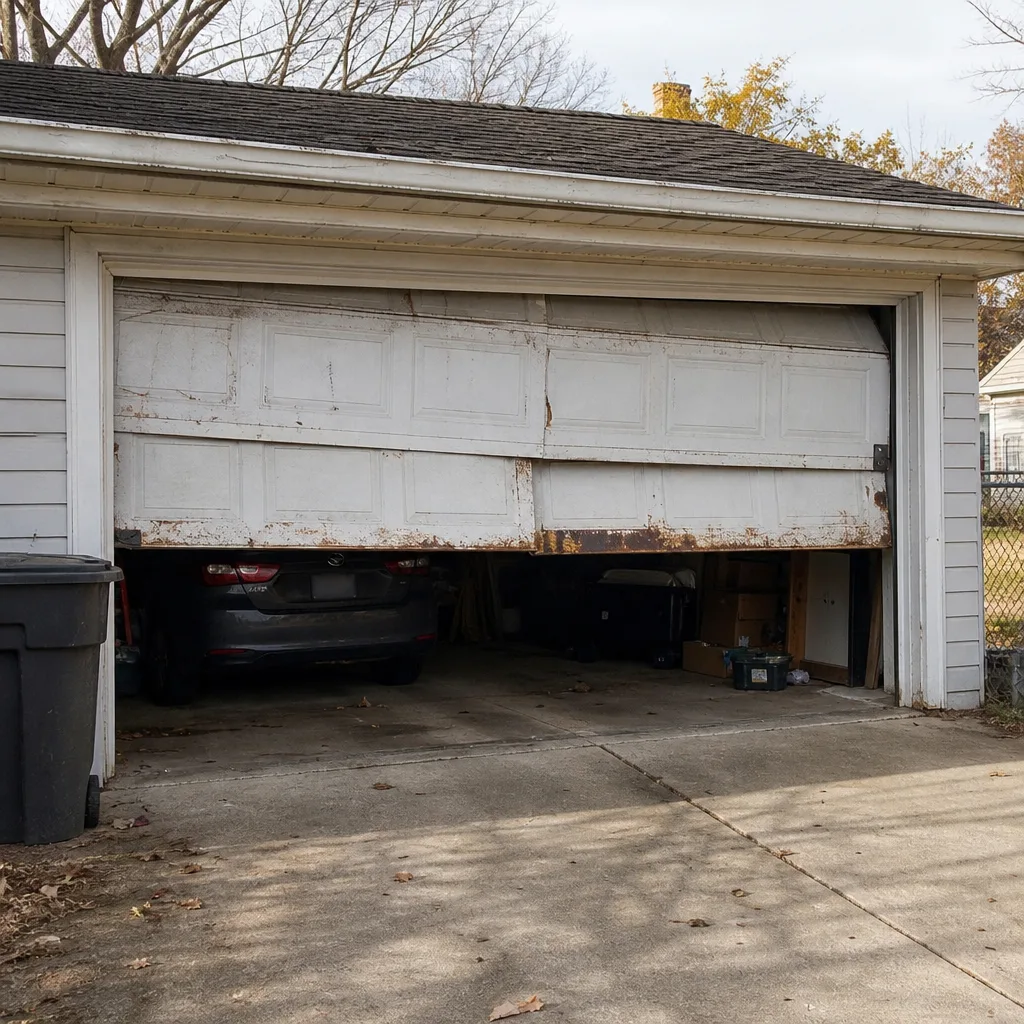 Before
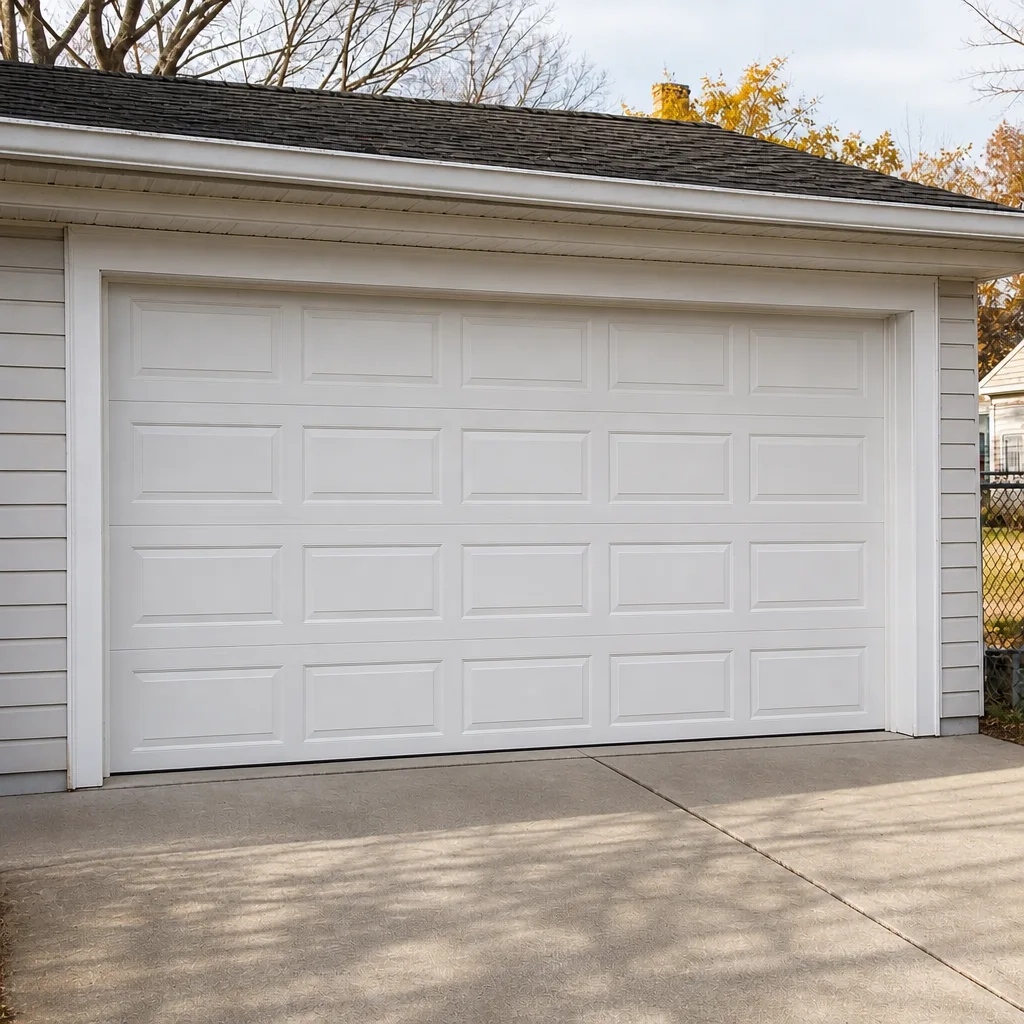 After
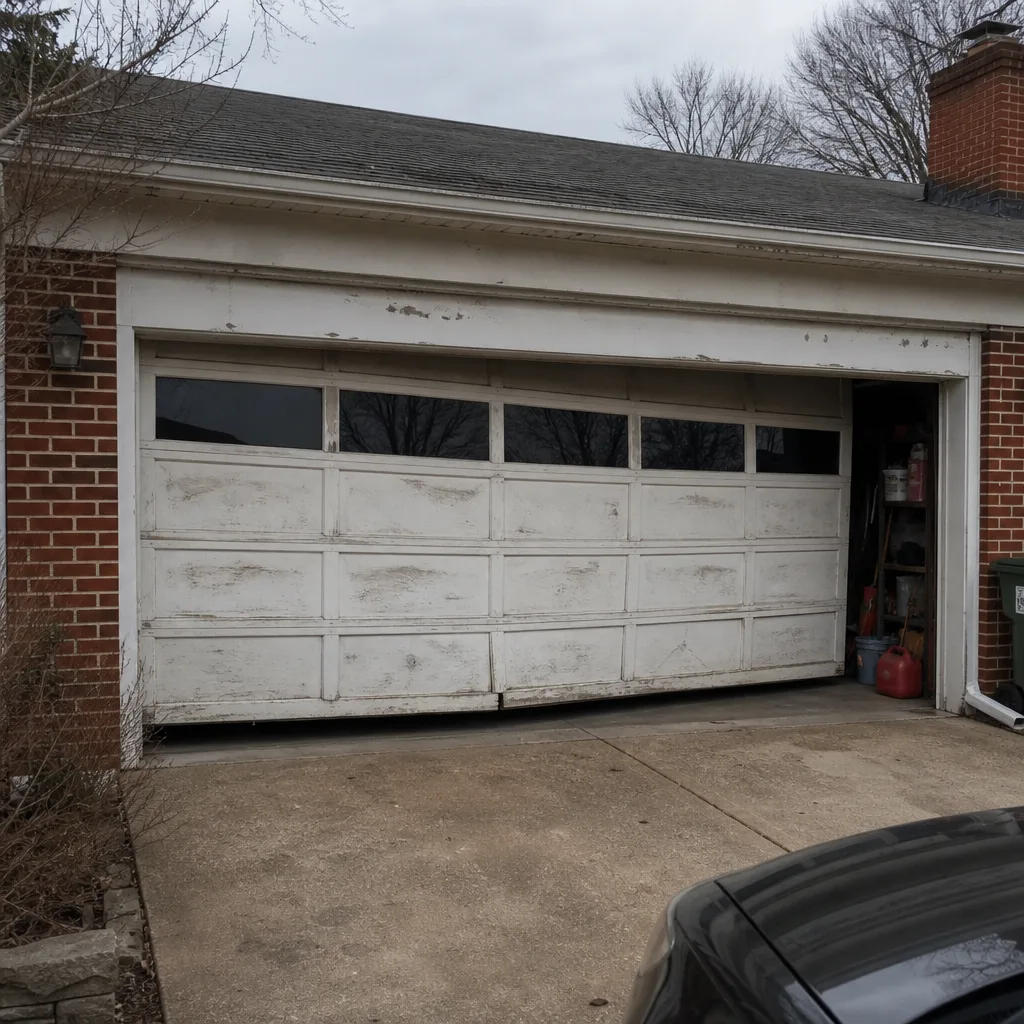 Before
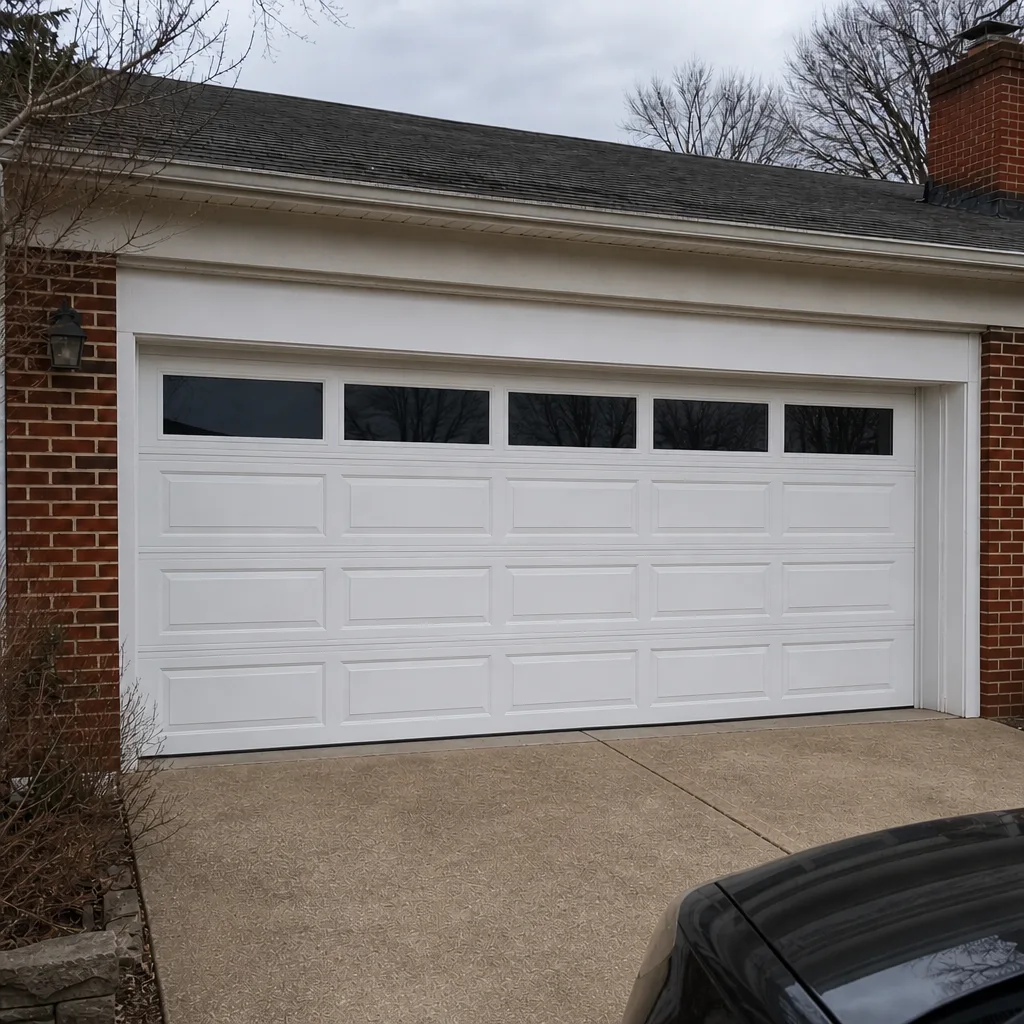 After
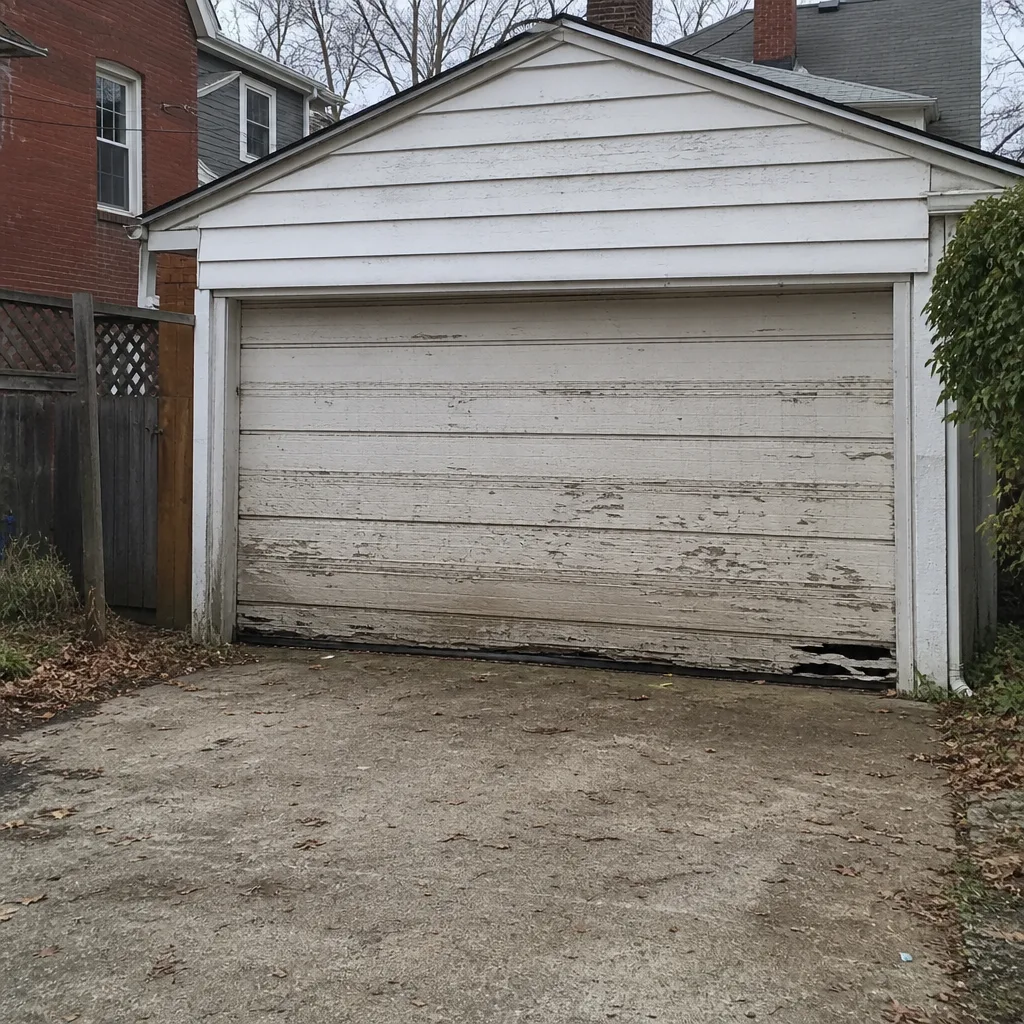 Before
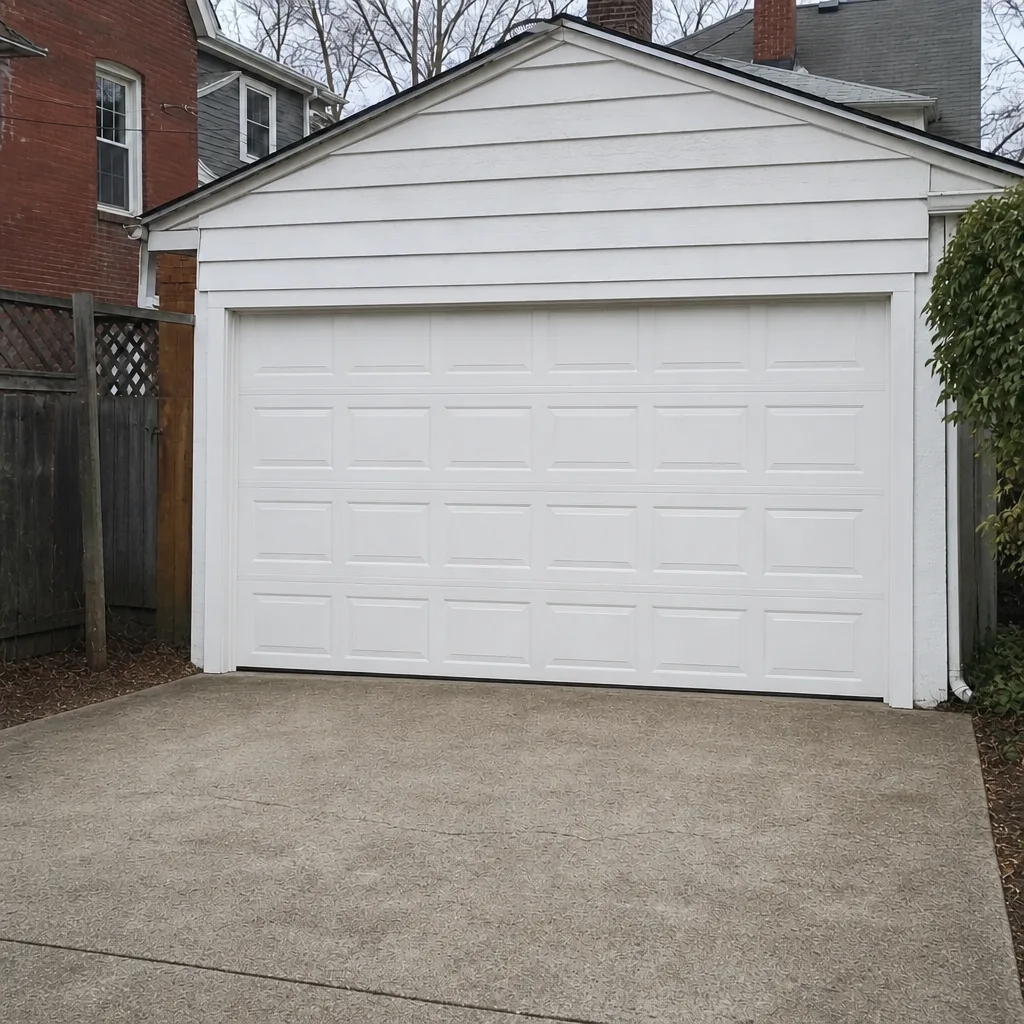 After
When to Call a Professional
Some seasonal issues are safe to handle yourself: clearing the track, testing the safety reverse, wiping sensors, replacing a bottom seal, and noting changes for the next technician. But some situations call for a specialist without delay. A door that feels heavy when you lift it by hand, a spring that shows rust, gaps or stretching, a door that lifts higher on one side than the other, an opener that strains or reverses unexpectedly, or a door that won’t close flush after a freeze-thaw cycle. If any of those are happening in Brookland, stop running the door and get a technician out. Garage Door Repair Brookland offers free estimates in Brookland. Call (888) 655-9410. We answer 24/7. Fast dispatch from 7am to 7pm, Sunday through Friday.
Frequently Asked Questions
Four times a year, timed to the seasonal shifts rather than the calendar: once before the October cold snap, once before the first hard freeze, once in early April before humidity returns, and once in July ahead of thunderstorm season. A 30-minute walkthrough at each shift covers what’s safe to inspect and flags anything needing a technician. Call (888) 655-9410 if anything looks uncertain, and we’ll take a look.
Cold makes steel less ductile, so a torsion spring working near the end of its fatigue life is more likely to fail on the first genuinely cold morning than on a milder day. That’s why a pre-winter balance check matters. Do not touch the springs yourself; they’re under extreme tension and can cause serious injury. Call a technician for anything spring-related, and call (888) 655-9410 for a free estimate.
Very likely. Wood and composite doors take on moisture through worn finish and end grain, and they swell enough to bind against the frame during humid stretches. Re-sealing worn spots helps, but a door that’s already binding needs a track or panel adjustment. Call (888) 655-9410 for an exact quote; estimates are free.
Yes, we offer same-day service for repair calls, and emergency service is a real offering for us, not a vague promise. We answer 24/7, and dispatch runs from 7am to 7pm, Sunday through Friday. If you call outside those hours, we book you into the next opening. Call (888) 655-9410.
No. The written estimate we give is the price you pay for the work described, and it’s agreed before any work starts. If we find something different once we’re on site, we tell you before doing anything, and you decide. Call (888) 655-9410 for a free estimate.
Steel doors expand in heat, and that expansion shows up as scraping or a door that doesn’t close flush in the afternoon. The opener usually isn’t the cause; the door-to-frame fit is. An adjustment that accounts for the expansion is usually all it needs. Call (888) 655-9410 and we’ll take a look.
The Bottom Line
Brookland’s weather does most of its damage in transition, not in the extremes. Time your maintenance to the shift from fall to winter and from winter to spring, and you’ll catch most problems while they’re small. The 30-minute walkthrough covers everything safe to check from the ground; springs, cables, opener wiring and track adjustments go to a trained technician. Our technicians have up to 11 years of experience, and we work on the door and opener brand you actually own. When in doubt, call. Garage Door Repair Brookland handles repair, opener repair, spring repair and full installation in one place, with a written price agreed before any work starts.
Call (888) 655-9410 for a free estimate. We answer 24/7. Fast dispatch from 7am to 7pm, Sunday through Friday. Closed Saturday.
Written by the team at Garage Door Repair Brookland.