
Last updated November 21, 2026
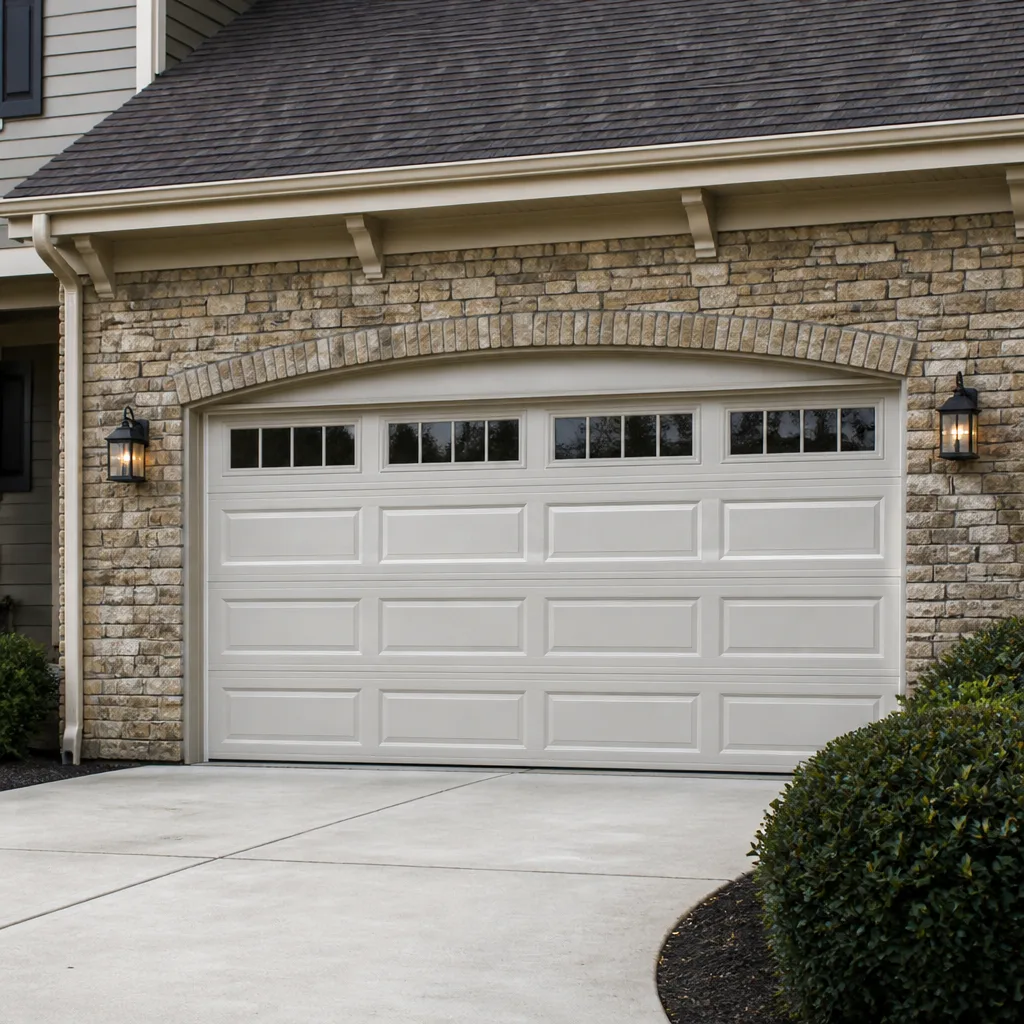 Raised-panel steel
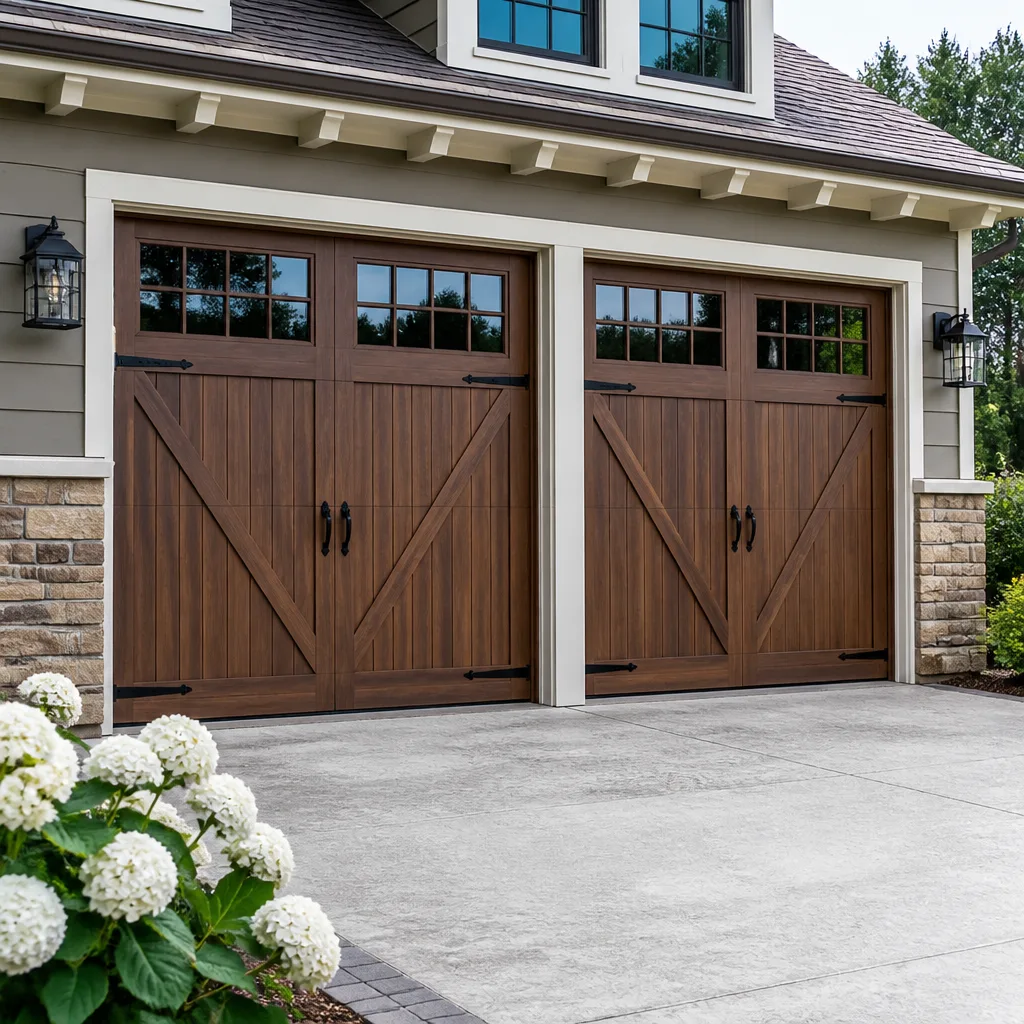 Carriage house
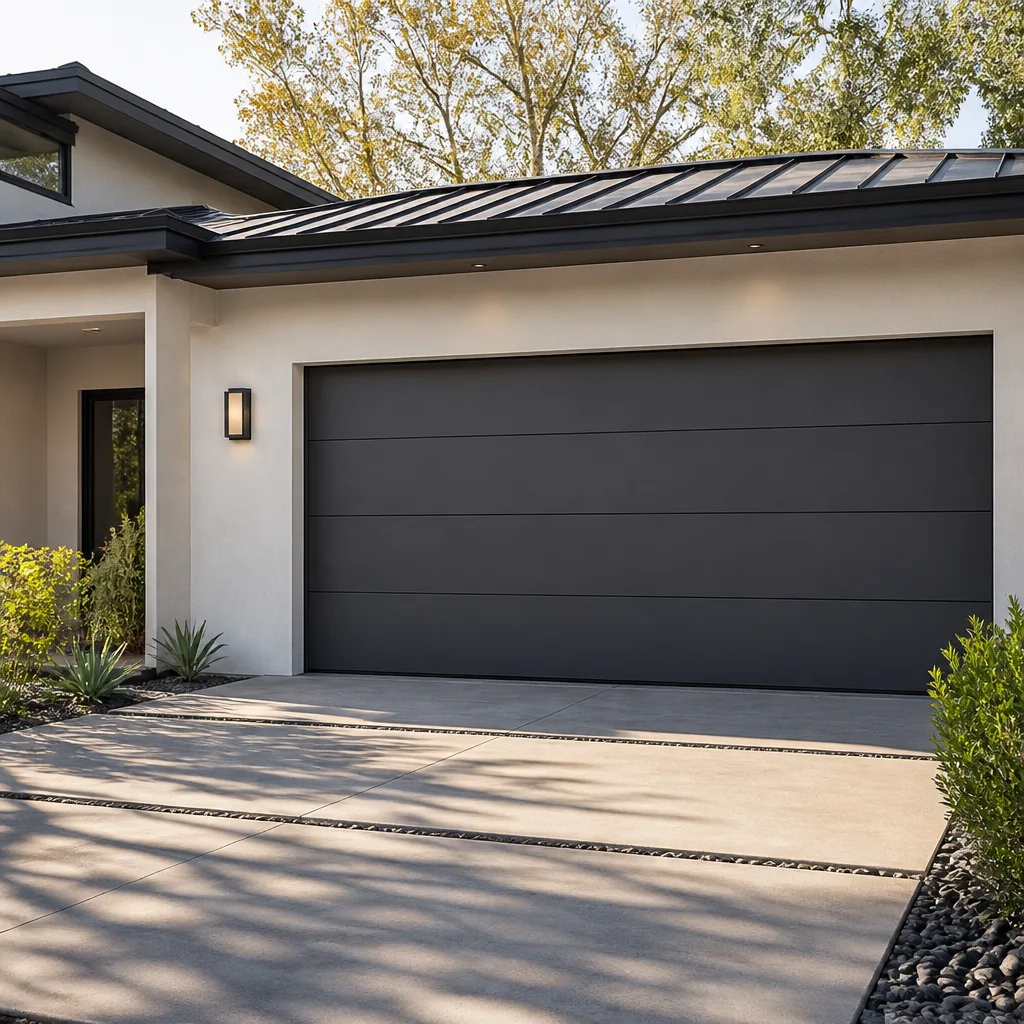 Modern flush
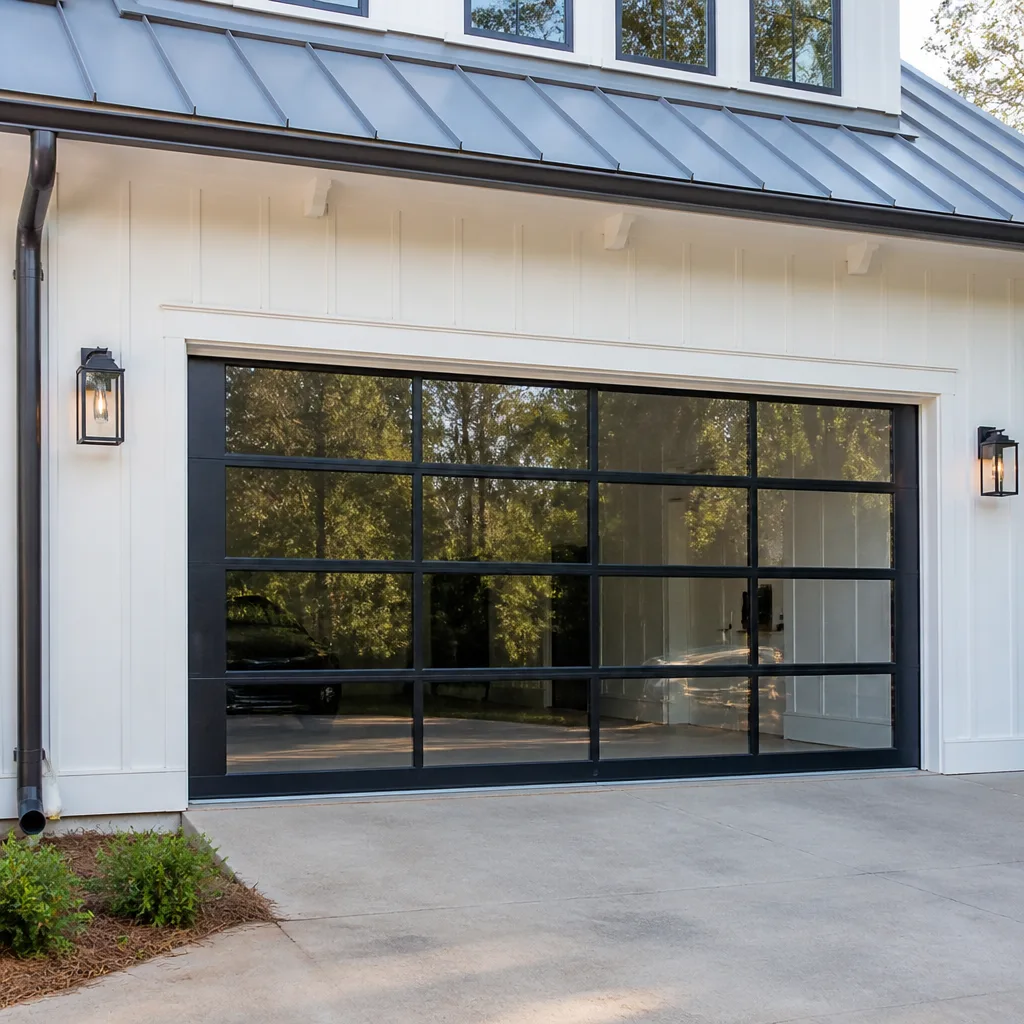 Full-view glass
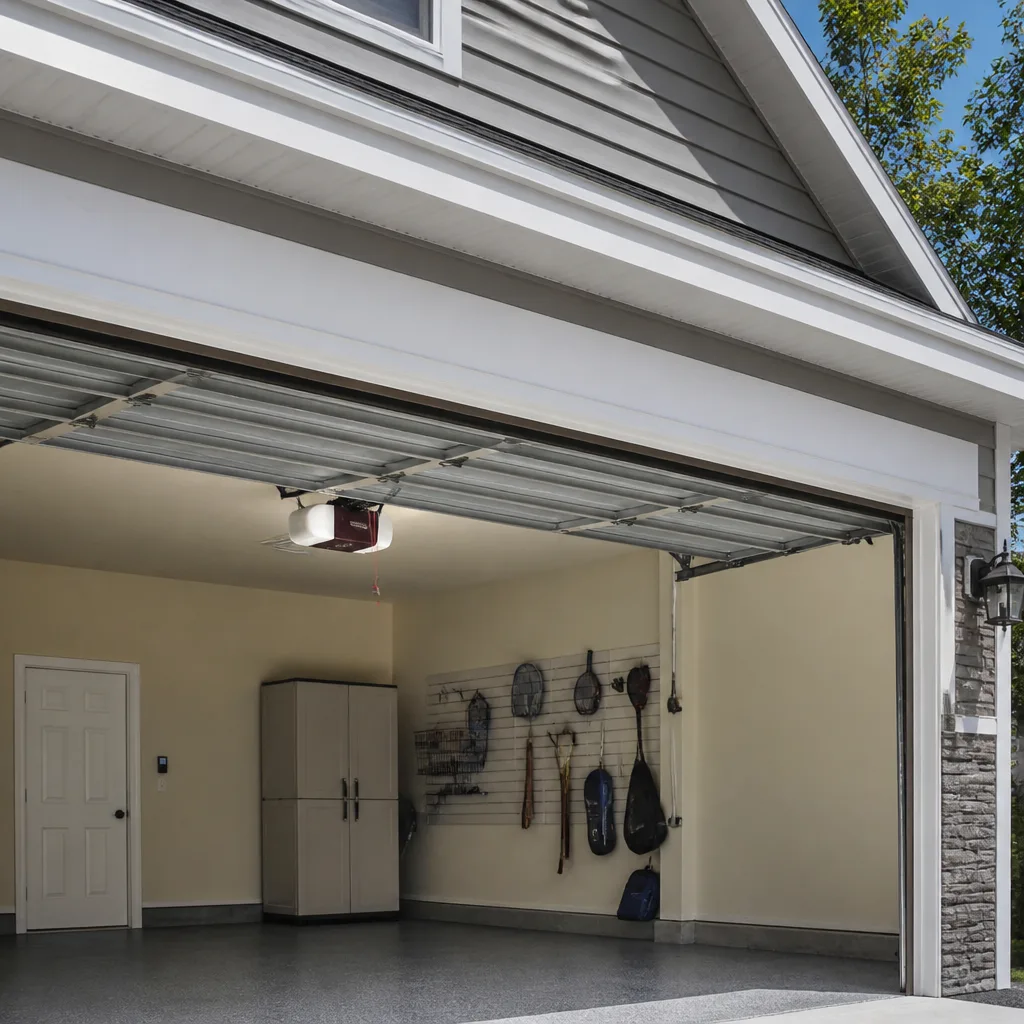 LiftMaster openers
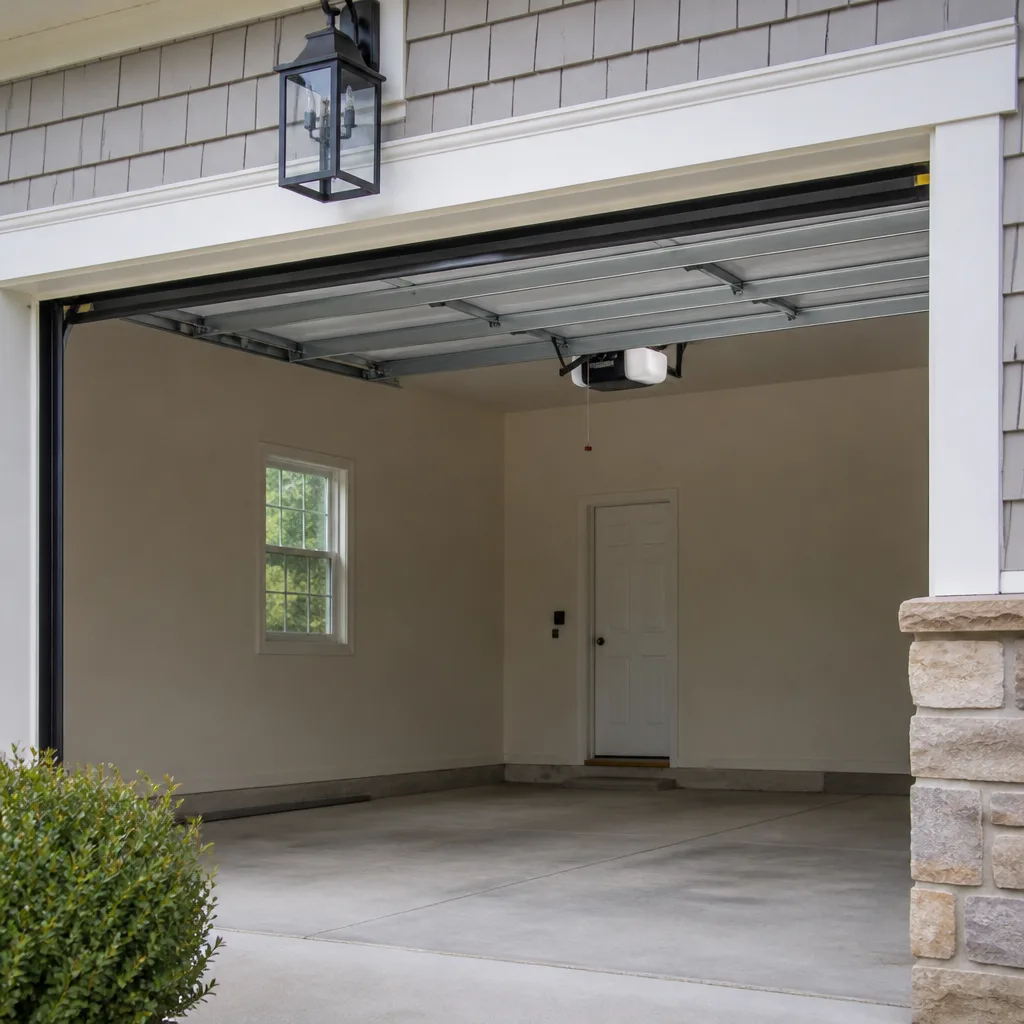 Chamberlain openers
Full 25-point door and opener safety check with every visit - springs, cables, rollers, tracks, and your LiftMaster or Chamberlain opener included
You get a price before we start. It does not change when the pro arrives.
Get your free estimateGarage Door Warning Signs: A Brookland Homeowner’s Reference Guide
A grinding noise and a slow door can both be called warning signs. One may mean your opener needs lubrication, a twenty-dollar fix. The other may mean a torsion spring is about to snap under full load and the door is days from trapping your car. Treating them the same way is expensive at best and dangerous at worst. Most homeowners in Brookland never get a clear answer about which symptom is which, so they either ignore a serious problem or replace parts that didn’t need replacing. This guide sorts the symptoms into a triage system: what to monitor, what to fix this week, and what means stop using the door today. By the end you’ll know what each sound, gap and wobble actually tells you about urgency and cost.
Quick Answer
Garage door warning signs fall into three urgency tiers. Monitor-it signs are squeaks, minor vibration and slow opener response. Fix-this-week signs include a door that reverses before closing, uneven gaps at the bottom, and a visible bent track. Stop-using-the-door signs are a snapped spring, a frayed cable, a door hanging off its track, or a door that will not stay up on its own. Any sign in the third tier needs a trained technician before the door moves again.
Styles & brands we work with
- Raised-panel steel
- Carriage house
- Modern flush
- Full-view glass
- LiftMaster openers
- Chamberlain openers
Table of Contents
- The Three-Tier Triage System: Monitor, Fix This Week, Stop Today
- What the Sounds Tell You: Spring Wear vs. Cable Wear vs. Opener Wear
- Visual Signs on the Door Surface That Predict Panel Failure
- Why an Uneven Door Gap Is Usually a Hardware Problem
- Warning Signs Unique to Brookland’s Older Detached Garages
- Opener Warning Signs: When the Motor Is the Problem
- Seasonal Warning Signs in the DC Climate
- What Each Sign Costs to Fix
The Three-Tier Triage System: Monitor, Fix This Week, Stop Today
Garage doors give plenty of warning before failing, but the warnings don’t arrive with severity labels attached. Sorting them by tier is the fastest way to know what to do next. Here’s how we break it down.
Tier 1: Monitor It
- An intermittent squeak or groan from the hinges or rollers
- Mild vibration through the door when the opener runs
- The opener’s light flickering slightly on start
- A door that looks level but drags a little at one corner
These signs usually point to lubrication, worn rollers, or normal wear on a hinge. A clean and lube is often enough. Watch them for another two to three weeks and see if the symptom gets worse or stays the same.
Tier 2: Fix This Week
- The door reverses partway down and won’t stay closed
- An uneven gap at the bottom corner
- A visibly bent spot on the track, or the door rubbing against a track
- The opener straining noticeably or the door feeling heavier to lift by hand
- Panels starting to bow or separate along the seams
These are signs that a component is degrading fast. Fixing them within the week prevents a repair from turning into a replacement. It also keeps the door from stranding you at a bad moment.
Tier 3: Stop Using the Door Today
- A loud bang followed by the door no longer lifting
- A snapped torsion spring or extension spring
- A visibly frayed, kinked or slack cable
- A door sitting off its track or hanging at an angle
- A door that drops on its own when you let go
These signs involve stored tension under load. That’s where the real danger lives. A door in this tier should not move again until a trained technician has looked at it. Torsion springs and their cables hold the full weight of the door, and both can release violently. We don’t hand out DIY steps for that work for good reason, and no good technician will.
If your door is in the third tier, our Garage Door Repair Brookland team handles spring and cable work as a named specialty. The local pro is licensed and insured as their state requires, and the price is quoted and agreed before any work starts.
What the Sounds Tell You: Spring Wear vs. Cable Wear vs. Opener Wear
The single most common mistake we see is treating every noise as the same problem. In our experience, most unnecessary repairs trace back to a homeowner (or a general handyperson) hearing “noise” and guessing at the source. The right diagnosis starts with what the sound actually is and when it happens.
A loud, sharp bang from above the door, then silence
That bang is what a failing torsion spring sounds like. After it happens, the door feels dead heavy and won’t lift more than a few inches. Spring wear is the most serious of the three because it involves stored tension, and the door has no safe way to move without it. Stop using the door.
A twanging, popping or snapping sound, with the door dragging to one side
That’s cable wear, or a cable that has slipped off its drum. The door sags or lifts crookedly because one side has lost its tension. Cables are under the same load as springs, if not more, once a spring goes slack. This is also a stop-using-door sign.
A steady grinding, whining or groaning while the opener runs
This usually points to the opener. A worn gear, a dry chain, a failing belt, or a motor bearing starting to go. The door may still lift and close, just loudly or slowly. Sometimes the whole opener needs replacement; sometimes it’s a clean, lube and a new gear or belt. Because we work on LiftMaster and Chamberlain systems every week, we can tell quickly which one it is.
A rattling or clattering sound
That’s usually worn rollers or loose hinges, or a bolt backing out of the opener rail. Low risk, but worth fixing before it accelerates the wear on the whole system.
Knowing which of the three sound families you’re hearing matters because the fixes exist in different price ranges and carry very different safety stakes. Confusing an opener problem for a spring problem gets you an unnecessary replacement quote. Confusing a spring problem for an opener problem gets a door forced open, and a door forced open while a spring is compromised is a hazard to anyone standing nearby.
Visual Signs on the Door Surface That Predict Panel Failure
Panels usually fail slowly. Before one bows, cracks or separates, there are visible signs that something is off with the door’s structure or alignment. Check your door from the street once a month, in daylight, with the door down.
- Bowing along a panel: Any curve in a panel that wasn’t there before usually means a bent hinge, a bent vertical track, or one side carrying too much weight. Left alone, bowing leads to cracked panels.
- Separation at the seams: If the seams between panels open up when the door is closed, the panels are flexing. That’s a structural signal.
- Rust or bubbling paint at the bottom panel: In DC’s humid summers and freezing winters, condensation and salt off wet shoes both find the bottom panel first. Left unaddressed, rust thins the steel and causes early failure.
- Dents in a single panel: Cosmetic, unless they deform the panel edges enough to score the tracks as the door moves.
- Cracks radiating from a hinge point: That’s not cosmetic. Repeat stress from a door out of tension balance cracks steel over time.
For Clopay or Amarr doors, panel and section replacements are usually available for a single damaged panel without replacing the whole door. For older doors where panels have been discontinued, a full replacement might be cheaper in the long run than a patch. We can tell you which situation you’re in with a free estimate.
Why an Uneven Door Gap Is Usually a Hardware Problem
An uneven gap at the bottom of a closed garage door is almost never a weatherstripping problem, even though the symptom shows up at the seal. Bright daylight peeking through one corner, a draft you can feel on one side but not the other, or a gap that’s wider under one side of the door all point to the door being out of square, not the seal being worn out.
Here’s what usually causes it:
- One torsion spring has lost tension: Doors with two springs lift from two balanced points. When one spring weakens before the other, the door lifts slightly crooked every cycle.
- A cable has slipped or slackened on one side: Even a small amount throws off the door’s lift angle.
- The door has drifted off its horizontal track: A small shift off-level changes the whole bottom line of the door.
- A hinge or roller has failed on one side: That corner of the door drops or lifts slightly out of alignment.
- The foundation has shifted: More common on older detached garages in Brookland, where the concrete pad has settled unevenly. See the next section.
Putting on new weatherstripping over an uneven door is the wrong fix. The new seal compresses unevenly, wears out in months, and the gap returns. If you’ve replaced your bottom seal once already and the gap is back, the cause is in the tracks, springs or the slab, not the seal.
Warning Signs Unique to Brookland’s Older Detached Garages
A large share of Brookland homes have detached garages, many of them built decades ago and attached to a concrete slab that has had a few frost heaves and summers of settling. That construction style has its own warning signs.
The door frame is visibly out of square
Put a level on both garage door posts. If one is plumb and the other is a degree or so off, the door frame has racked from slab movement. That’s the door gap problem above, arriving from underneath. The fix may need the frame addressed before the door’s hardware is even tuned.
The slab has risen or dropped at one edge
If it’s hard to close the door because the bottom hits a high spot, or you can see daylight under one corner when the slab itself is level, the slab has settled on that side. Any new door or opener tune-up has to account for the slab’s actual plane, not the “should be” plane.
The bottom of the door has swelled
Wood panel doors in older Brookland garages swell and warp at the bottom over DC’s humid summers. Once the bottom rail warps, the door sits unevenly and stresses the tracks on every cycle. Steel or composite replacement doors solve this permanently.
The tracks have sagged
Older detached garages often have the door’s horizontal tracks bracketed to old joists. If the joist has sagged (common in older structures), the horizontal track has followed it. The door will lift fine and then bind at the top. A re-bracket fixes this without replacing the door or opener.
If you’re seeing any of these, we’ve seen the same pattern across Brookland. A quick look with a level and a tape measure tells you whether you need new hardware, a frame adjustment, or an entirely new door. Our garage door repair team can walk you through which is which during a free estimate.
Opener Warning Signs: When the Motor Is the Problem
The opener is the most commonly blamed component and the least commonly the actual problem. That said, it does fail in a handful of predictable ways, and recognizing the difference saves money on an unnecessary replacement.
The opener runs but the door doesn’t move
Usually a snapped torsion spring, cable, or an opener that’s stripped its internal gear. On a LiftMaster or Genie system, a stripped gear is a known wear failure and can be replaced without swapping the whole unit.
The opener struggles on the first few inches
This is a spring wear sign, not an opener sign, more often than not. A torsion spring under tension should make the first three feet of travel the easiest part of the lift. If the door fights the opener at the bottom, the spring has weakened or the door has lost balance.
The opener reverses unexpectedly
Modern openers, LiftMaster and Chamberlain included, have safety reverse sensors that trip if the door meets resistance. Repeated unwanted reversals mean one of three things: the safety sensors are misaligned, the door is binding somewhere (often a bent track), or the springs are weak. Diagnose the door before replacing the opener.
The remote works from close up but not from the driveway
Usually the remote’s battery or the opener’s antenna wire. Cheap to fix, but very common. Pull the opener’s antenna wire straight down from the housing and try again before buying a new opener.
If diagnosis leads to a full replacement rather than a repair, we handle garage door opener repair and full opener installation on the same call. Garage doors are all we do, so a technician can move from a diagnosis straight to a replacement or repair without a second appointment.
Seasonal Warning Signs in the DC Climate
Brookland’s weather accelerates certain failures. Spring arrives fast, summer is humid, and the first freezing night comes without much warning. Different seasons expose different warning signs.
- First hot week of the year: Wood swells, and doors that were fine all winter start dragging on the tracks. If your door only sticks in summer, the issue is likely the door panels or the tracks, not the opener.
- High humidity stretches: Metal springs can weaken slowly over damp stretches, and wood bottom panels swell. If your door doesn’t close all the way after a humid spell, check the bottom seal and panel first.
- First freeze: Lubricant stiffens, hinges tighten, and the door feels heavier for a week. If it doesn’t ease up as temperatures settle, the spring has likely weakened.
- Heavy leaf drop and storms: Debris on the tracks, misaligned safety sensors from a bump, and dented panels from falling branches are all common in fall. Clean the tracks with a cloth, not grease, and re-align the sensors if the door won’t close.
Recognizing the seasonal pattern prevents two common errors: replacing a spring that only needed lubrication, and ignoring a spring that was worn before the freeze and is now ready to fail.
What Each Sign Costs to Fix
Knowing what a fix typically costs keeps you from overreacting to a small symptom or underreacting to a big one. These are typical estimated ranges for this market. Your written estimate sets the final price, and it’s quoted and agreed before any work starts. These are per-job ranges; spring prices are per spring, and a matched pair usually needs replacing together.
| Warning Sign | Typical Estimated Cost |
|---|---|
| Squeaking hinges or rollers (clean and lube) | Under $100 |
| Opener gear replacement | $150-$300 |
| Single torsion spring replaced | $180-$340 |
| Matched pair of torsion springs | $360-$680 |
| Cable replacement (per side) | $120-$250 |
| Track realignment | $100-$250 |
| Single panel replacement | $200-$500 |
| Full opener replacement | $350-$700 |
| Door off its track (reset) | $150-$300 |
| Full door replacement | $900-$3,500 |
The gap between the cheapest and most expensive items in that table is roughly 40x. That’s the real reason a triage system matters: treating a $60 lube-and-clean as a $600 spring replacement wastes money, and treating a $340 spring replacement as a “wait and see” can cost you the door.
If you’d like an actual number for your situation, garage door installation and repair estimates are free. Give us a call and we’ll walk the door with you.
Common Mistakes to Avoid
- Replacing an opener when the door is the problem. Nine times out of ten, an opener that’s “not strong enough anymore” is fighting a worn spring. Diagnose the door first and the opener often doesn’t need replacing at all.
- Installing new weatherstripping over an uneven door. The seal is the symptom, not the cause. Fixing the gap means fixing the tracks, springs or slab under the door, not putting a fresh seal over the problem.
- Greasing the tracks. Tracks are meant to stay clean and dry. Grease collects grit and accelerates roller wear. Lubricate the hinges, rollers and torsion spring, not the tracks.
- Adjusting the safety reverse sensor to “make it work”. If the door is reversing because it’s binding, adjusting the sensor doesn’t fix the bind; it just hides it. The bind can eventually crack a panel or strip the opener gear.
- Tightening tracks to force alignment. Track brackets torque down to a specific point on the wall. Over-tightening racking can crack the concrete block or distort the track and make the problem worse.
- Ignoring a visible bend for a “wait and see”. A bent track scores the rollers on every cycle. What starts as a $100 track adjustment becomes a $300 roller replacement inside a few months if you wait.
- Watching a single spring on a two-spring door. When one spring in a pair wears out, the other is at the same age and load history. Replacing only the tired one doubles down on the next failure, which arrives sooner than you’d like.
There’s one more: assuming older detached garages in Brookland behave like new construction. Foundation movement is common on older slabs, and a door that once closed perfectly can drift out of alignment with no change in the door itself. A level and a tape measure across the bottom corners will tell you whether you’re seeing a door problem or a slab problem.
See the difference
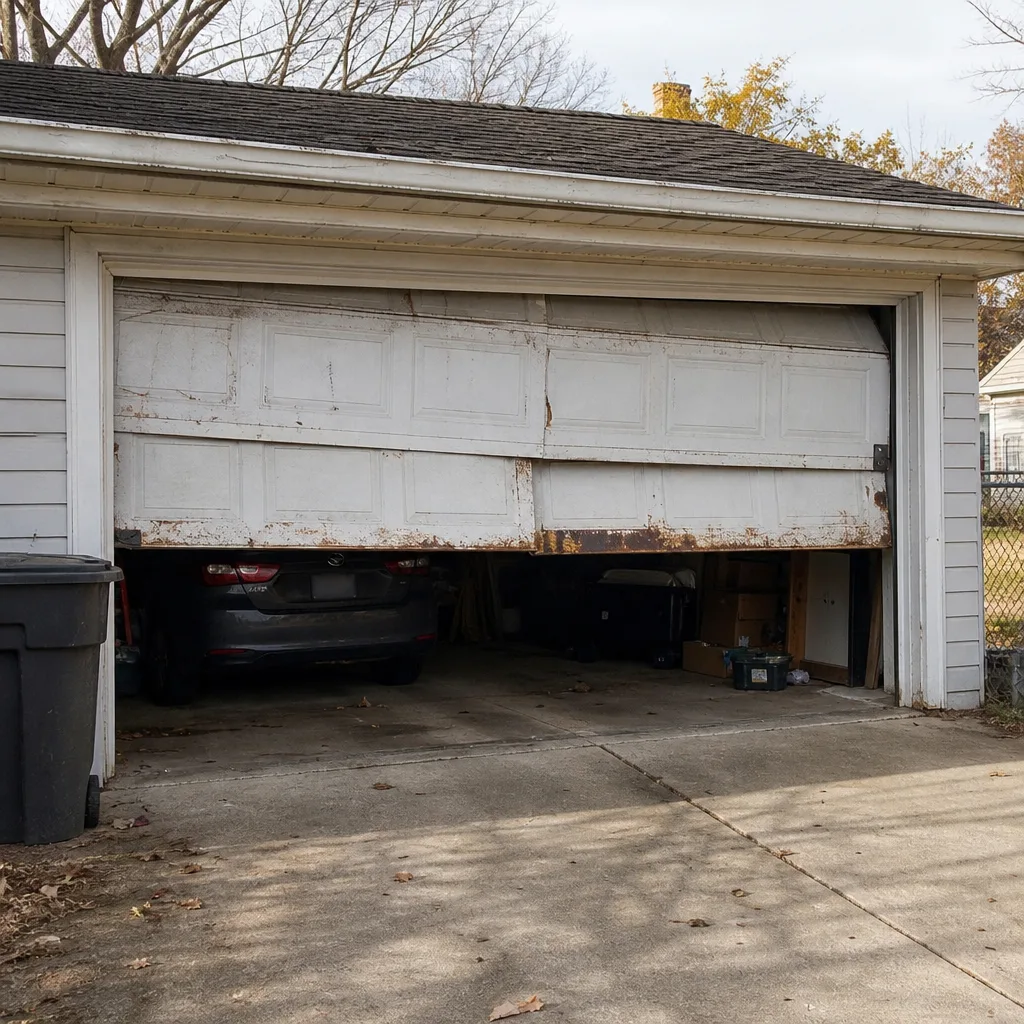 Before
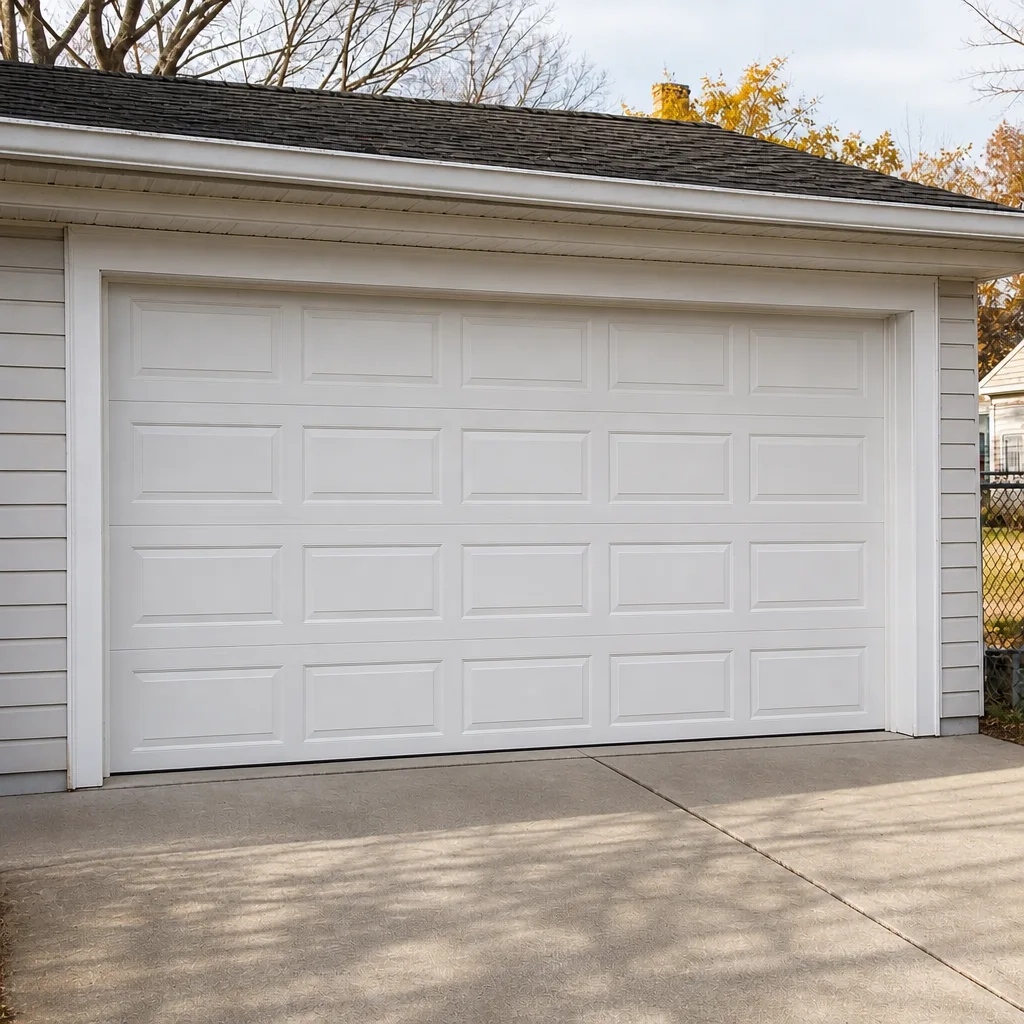 After
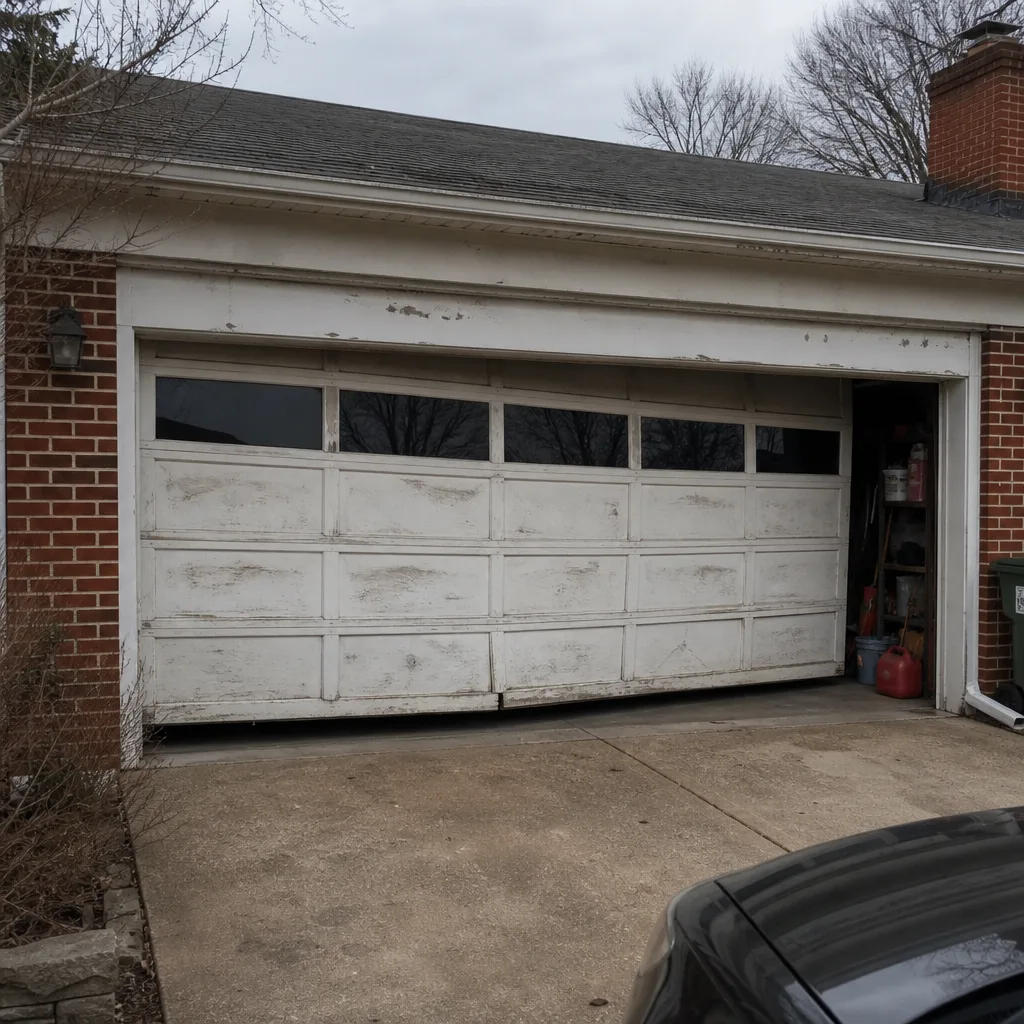 Before
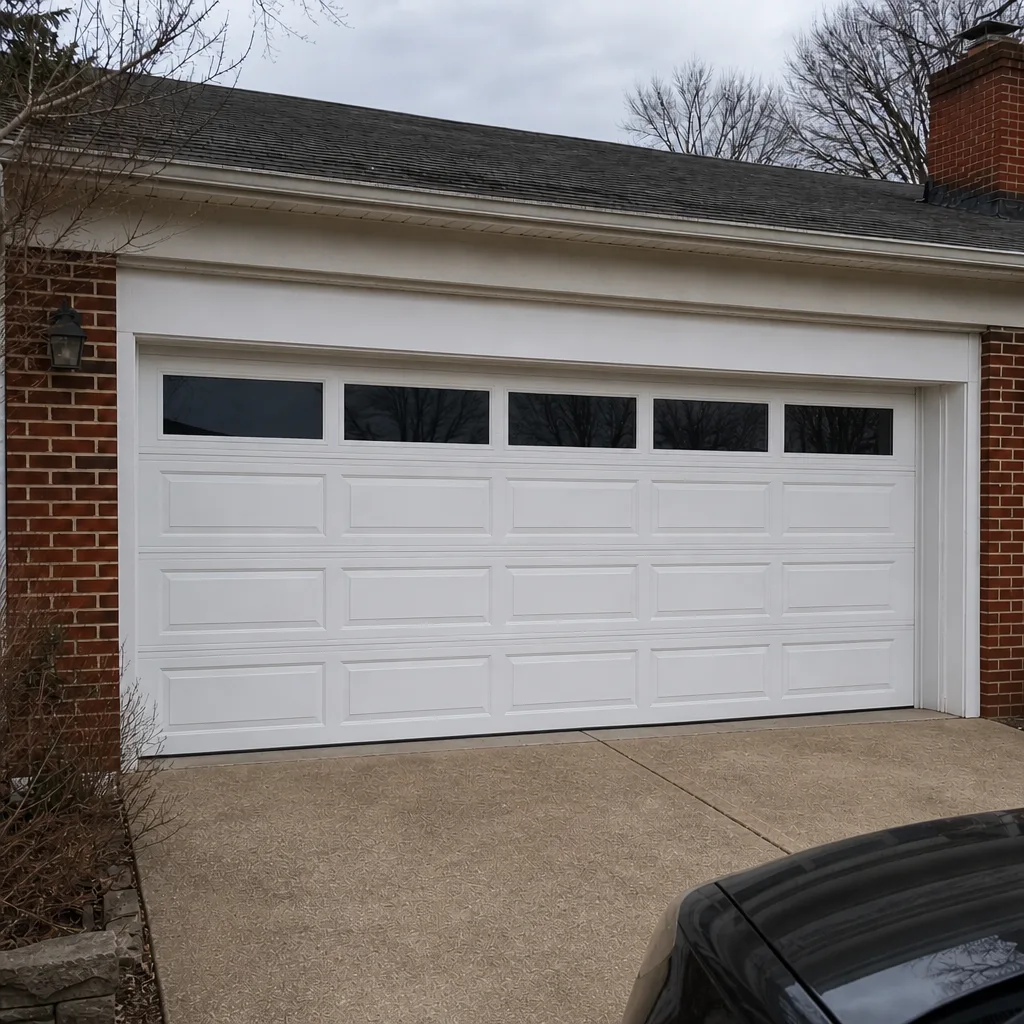 After
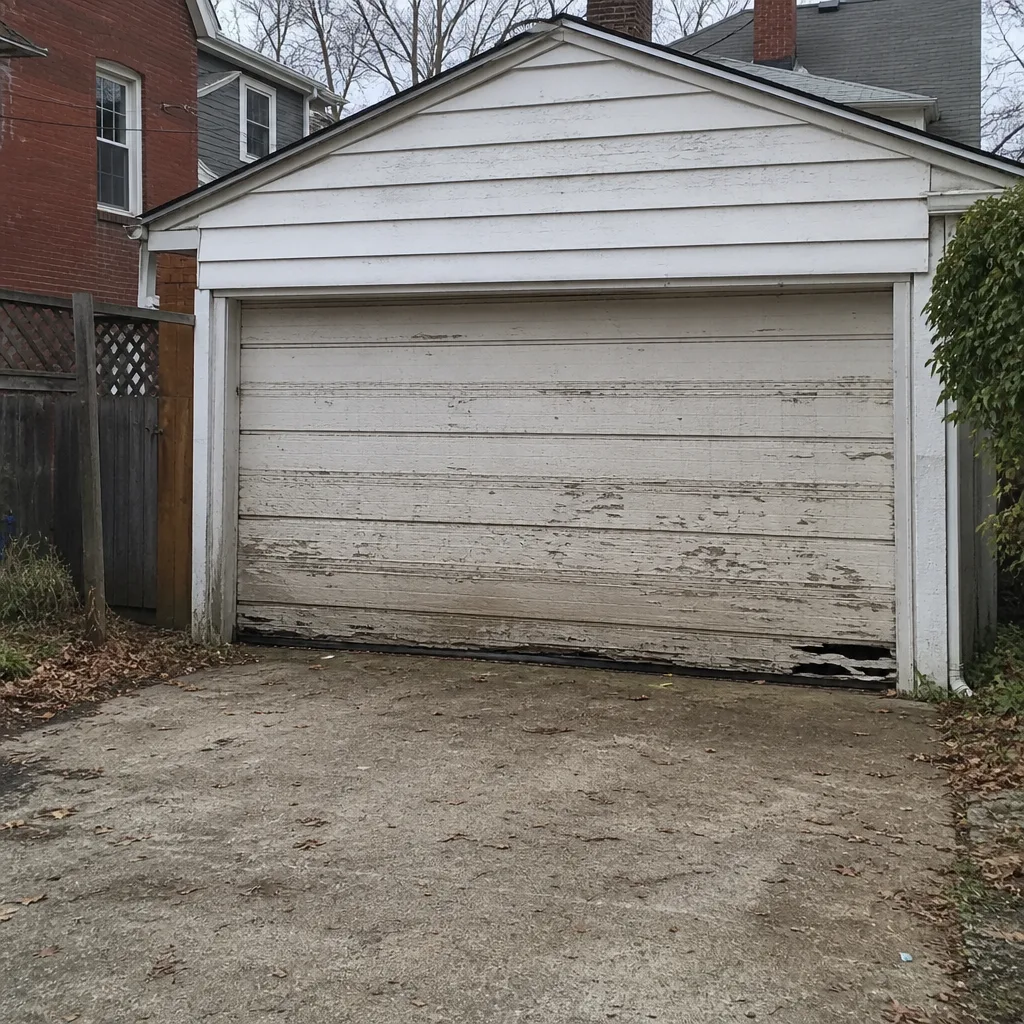 Before
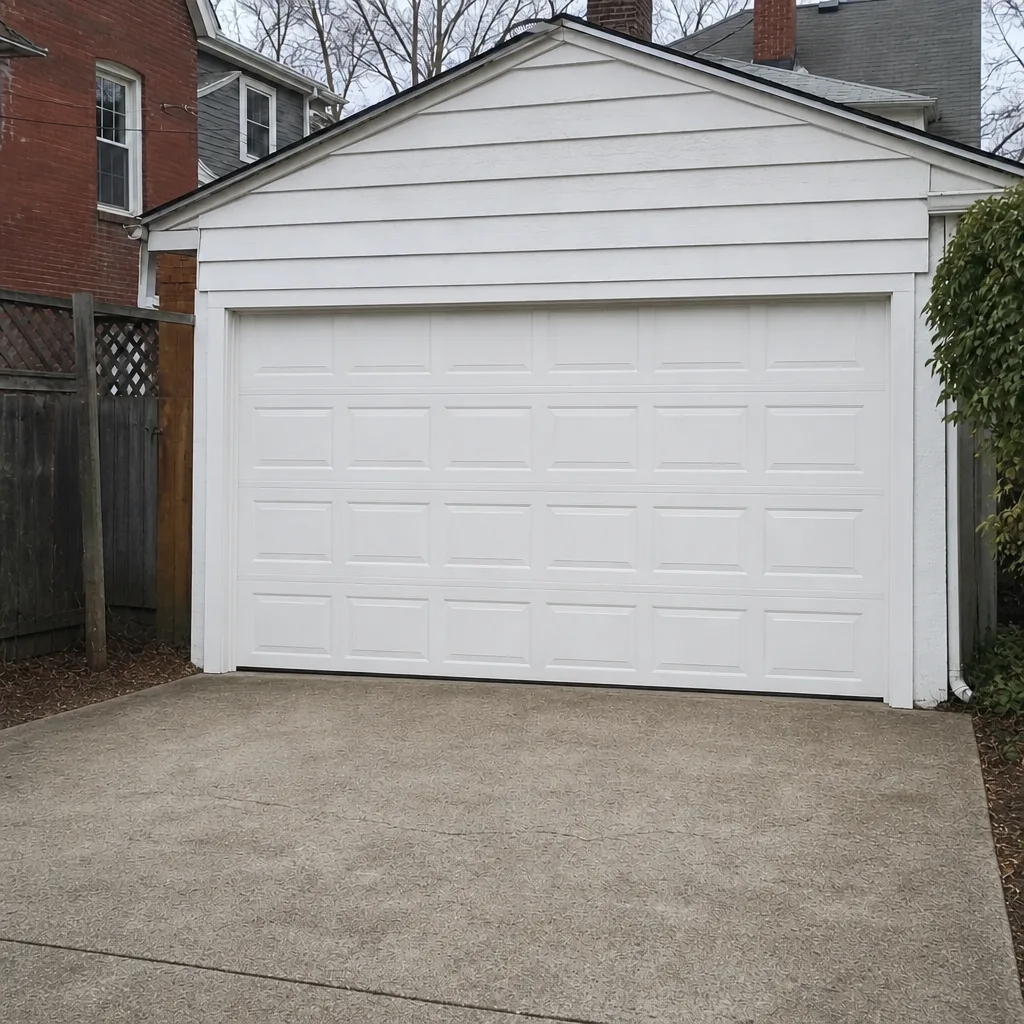 After
When to Call a Professional
Some warnings are safe to handle yourself: a squeak, a rattling roller, a remote that needs a fresh battery, a sensor that got knocked out of alignment by a broom. Anything that involves a torsion spring, a cable under tension, or a door that has come off its track is not in that category. Those components carry the full weight of a door that can be north of 200 pounds, and they fail suddenly. Twisting a torsion spring by hand without the right winding bars and the right training is how people get hurt.
Call us when you hear a bang above the door, when the door is hanging unevenly, when the opener runs but the door doesn’t, or when an inspected symptom has moved from “monitor” to “worse”. We answer 24/7. Fast dispatch from 7am to 7pm, Sunday through Friday, and same-day service on repairs when the schedule allows. Garage Door Repair Brookland offers free estimates in Brookland. Call (888) 655-9410.
Frequently Asked Questions
The most common are an uneven gap at the bottom of the door, a grind or groan as the opener runs, and a door that reverses partway down. In Brookland we also see a high share of alignment problems on older detached garages where the slab has settled. If you notice any of those, it’s worth a look before they get worse.
A spring that’s about to break usually shows up as an unbalanced door: the opener struggles at the bottom, the door lifts crookedly, or one side sits slightly lower than the other when closed. You may also see a visible gap in the coil. If the door feels heavier than normal, stop using it and call for a look. Springs and cables hold the full door weight under tension and should only be handled by a trained technician.
A grinding noise during the opener’s run usually comes from the opener’s internal gear, chain, belt or motor bearing, not from the door. The door may still lift correctly; it’s just loud. Less commonly it comes from a dry roller on a worn track. Either way, it’s usually a modest repair if you catch it before it becomes a stripped gear.
Not if the cause is a spring, cable or track under tension. You can adjust weatherstripping, clean tracks and tighten a loose hinge bracket yourself. If a level shows the door frame is racked or the slab has settled, that’s a technician’s job. Twisting or adjusting a torsion spring by hand without the right equipment can cause serious injury.
Same-day service on repairs is often available, with fast dispatch from 7am to 7pm, Sunday through Friday. We answer 24/7, and a call outside dispatch hours is booked into the next opening. Call (888) 655-9410 for an exact estimate.
The written estimate sets the final price, and it’s quoted and agreed before any work starts. If we find something during the visit that wasn’t obvious on the phone, we’ll show you what we found and price the additional work separately. No work begins until you’ve agreed. Call (888) 655-9410 for a free estimate.
The Bottom Line
Not every warning sign means the same thing. A squeak and a bang are different animals, and treating them the same wastes money on one and invites trouble with the other. The three-tier system is the takeaway: monitor squeaks and rattles, fix reversing doors and uneven gaps within the week, and stop using the door the moment you hear a bang, see a frayed cable, or notice the door hanging off track. In Brookland, add a monthly check that includes a level on both door posts and a tape measure across the bottom corners, because on older detached garages the slab is as likely to be the cause as the door itself. And when in doubt, get a professional’s eyes on it. A short diagnosis is cheaper than a wrong repair.
Call (888) 655-9410 for a free estimate. We answer 24/7, with fast dispatch from 7am to 7pm, Sunday through Friday. Our technicians have up to 11 years of experience across LiftMaster, Chamberlain, Genie, Clopay, Amarr, Wayne Dalton, Craftsman and Raynor systems. The right fix, not the easiest upsell.
Written by the team at Garage Door Repair Brookland.